





What's Happening?
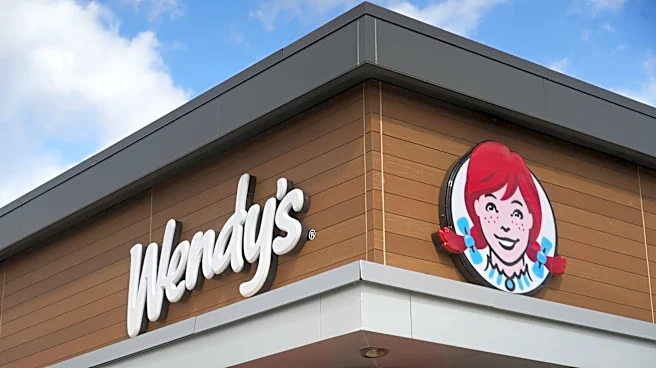
Burger King has surpassed Wendy's to become the second-largest burger chain in the United States, ending Wendy's six-year run in that position. This shift comes as Burger King experiences a resurgence, with an 8.5% increase in domestic same-store sales
in the second quarter. In contrast, Wendy's reported a 7% decline in U.S. same-store sales, marking its sixth consecutive quarter of contraction. Wendy's new CEO, Bob Wright, acknowledged the challenges the chain faces and outlined a strategy to regain its competitive edge, focusing on menu quality, marketing, operational excellence, and digital engagement. Burger King's turnaround strategy, initiated in late 2022, has included restaurant remodels, increased marketing, and improvements to its core menu, particularly the Whopper.
Why It's Important?
The shift in rankings between Burger King and Wendy's highlights the competitive dynamics within the fast-food industry, where brand positioning and customer experience are crucial for market share. Burger King's successful turnaround strategy demonstrates the impact of strategic investments in marketing and product quality on consumer preferences. This development may influence other fast-food chains to reevaluate their strategies to maintain or improve their market positions. For Wendy's, the loss of its No. 2 spot underscores the need for effective leadership and innovation to address declining sales and regain consumer trust. The competition between these chains also reflects broader economic trends, such as consumer spending habits and the importance of value propositions in attracting price-conscious diners.
What's Next?
Wendy's plans to implement a comprehensive turnaround strategy to address its current challenges, focusing on enhancing its menu, marketing efforts, and digital presence. The company's leadership changes, including the appointment of Bob Wright as CEO, signal a commitment to revitalizing the brand and improving franchisee economics. Burger King, on the other hand, aims to capitalize on its recent gains by continuing to improve customer experience and product offerings. The ongoing competition between these chains is likely to drive further innovation and strategic shifts in the fast-food industry, as companies strive to capture a larger share of the market and meet evolving consumer expectations.