







What's Happening?
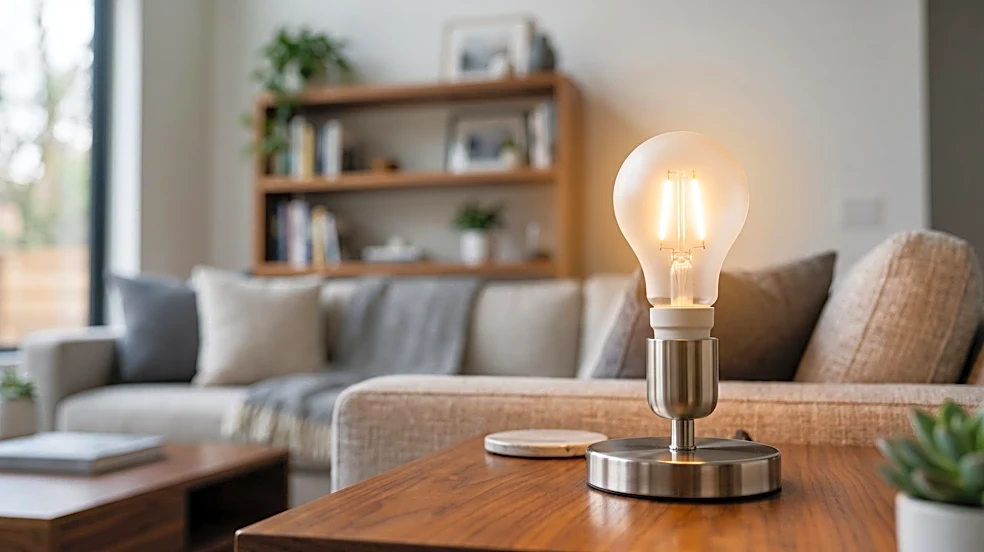
Many useful smart home automations can be set up using existing devices and software like Home Assistant, rather than requiring new purchases. For instance, adaptive lighting can adjust smart bulb brightness and color temperature throughout the day to mimic
natural sunlight, enhancing the home environment. Another automation involves triggering a bedtime routine when a smartphone is placed on charge after a specific evening time, indicating the user is going to bed. Furthermore, calendar events can be used as triggers for automations, allowing for flexible scheduling that accounts for days off and travel, such as turning off heating when away and restarting it before returning. Geolocation features in companion apps can also detect when a home is empty, enabling energy-saving actions like powering down devices and turning off heating. A guest mode can be activated automatically when visitors connect to a guest Wi-Fi network, ensuring they have a comfortable experience without disrupting the home's regular smart settings.
Why It's Important?
The ability to implement advanced smart home automations without investing in new hardware significantly lowers the barrier to entry for homeowners looking to optimize their living spaces. This approach allows for greater energy efficiency, as systems can automatically adjust heating, cooling, and device power based on occupancy and schedules, leading to substantial cost savings over time. The flexibility offered by calendar-based triggers and geolocation ensures that smart home functions align with real-life routines, preventing unnecessary energy consumption during absences and enhancing convenience. Moreover, features like adaptive lighting can improve well-being by mimicking natural light cycles, while automated guest modes enhance hospitality and user experience for visitors. This focus on software-driven solutions empowers users to maximize the utility of their current smart home ecosystems, making smart living more accessible and practical for a wider audience.
What's Next?
Homeowners can explore integrating Home Assistant or similar platforms to leverage their existing smart devices for these advanced automations. The next steps involve configuring calendar events, setting up geolocation tracking through companion apps, and defining specific routines for bedtime or guest modes. Users might also investigate custom integrations for adaptive lighting to fine-tune their smart bulb behavior. As more individuals adopt these software-centric approaches, there could be an increased demand for user-friendly interfaces and simplified setup processes for complex automations. This trend may also encourage smart device manufacturers to focus more on interoperability and open-source compatibility, allowing for greater customization and integration possibilities without proprietary lock-ins. The continued development of such platforms will likely lead to even more sophisticated and personalized smart home experiences.
Beyond the Headlines
This shift towards software-driven smart home solutions highlights a broader trend in technology: maximizing utility from existing hardware through intelligent programming. It underscores the ethical consideration of data privacy, particularly with geolocation tracking and device usage patterns, necessitating robust security measures and transparent data handling policies from platform providers. Culturally, it promotes a more conscious approach to energy consumption and resource management within the home, potentially fostering greater environmental awareness. Legally, as smart homes become more integrated and autonomous, questions around liability for system malfunctions or security breaches may arise. This evolution also points to a future where homes are not just 'smart' but 'adaptive,' learning and responding to inhabitants' needs and external conditions with minimal manual intervention, transforming the very concept of domestic living.