








What's Happening?
FamilyMart, a major Japanese convenience store chain with over 16,000 locations, has launched an innovative flagship store called Famima Park Azabudai in Tokyo. This new concept, developed in collaboration with streetwear designer Nigo, interior architect
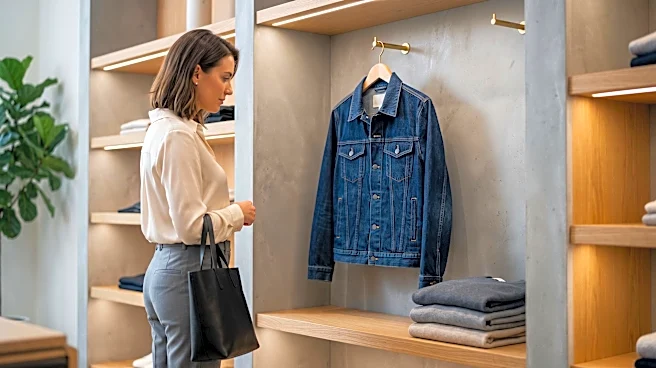
Masamichi Katayama, and fashion designer Hiromichi Ochiai, aims to reimagine the traditional convenience store experience. The store maintains all the practical functions of a standard 'konbini,' offering food, cash machines, and delivery services. However, it introduces significant design and experiential changes, including a redesigned logo on merchandise, staff uniforms made from robust cotton-look fabric, a takeaway window for fried chicken, and a rooftop garden. The store also features an elaborate display for its 'Convenience Wear' clothing line, complete with fitting rooms and clothing assistants, which saw limited-edition denim sell out on opening day. The launch generated considerable public interest, with two-hour queues and purchase limits, a phenomenon typically associated with high-demand fashion releases rather than convenience stores.
Why It's Important?
This initiative by FamilyMart represents a significant strategic move to innovate within the highly competitive retail sector. By integrating elements of fashion, design, and an enhanced customer experience, FamilyMart is attempting to differentiate itself and attract a broader customer base. The success of Famima Park Azabudai, evidenced by the long queues and rapid sales of exclusive merchandise, indicates a potential shift in consumer expectations for convenience retail. This model could influence future retail strategies, not just in Japan but globally, as companies seek to create more engaging and multi-faceted shopping environments. The project is framed by FamilyMart's leadership as a pathway to sustainable growth for the format overall, suggesting that successful elements from this test bed could be rolled out to other branches nationwide. This could lead to a broader transformation of the convenience store landscape, emphasizing aesthetics, brand identity, and a more curated product offering beyond basic necessities.
What's Next?
While there are no immediate plans for additional standalone Famima Park stores, FamilyMart intends to integrate successful elements from the Azabudai flagship into its regular branches across Japan. This phased rollout suggests a strategic approach to evolving the brand's overall retail experience. The company will likely monitor consumer response and operational efficiency of these integrated elements to inform future decisions. The focus on 'good materials, good techniques, good design' in its 'Convenience Wear' line, and the overall elevated aesthetic, indicates a long-term commitment to enhancing brand perception and customer loyalty. Other convenience store chains and retailers may observe FamilyMart's strategy closely, potentially leading to similar innovations in their own offerings as they adapt to changing consumer preferences and seek new avenues for growth in a dynamic market.
Beyond the Headlines
The Famima Park Azabudai concept transcends typical retail innovation by blurring the lines between convenience, fashion, and lifestyle. This approach reflects a broader cultural trend where consumers increasingly seek experiences and curated aesthetics even in everyday transactions. The collaboration with prominent designers like Nigo and Hiromichi Ochiai elevates the brand's cultural capital, positioning FamilyMart not just as a place for quick purchases but as a destination that offers a sense of style and community. This could have long-term implications for brand loyalty, particularly among younger demographics who value design and authenticity. The 'test bed' nature of the flagship store also highlights a strategic shift towards agile innovation in retail, where companies experiment with new concepts in controlled environments before scaling them. This model could foster a more dynamic and responsive retail industry, constantly evolving to meet nuanced consumer demands and preferences.