







What's Happening?
Home decor experts are recommending that individuals over the age of 40 move away from generic art prints, posters, and matching bedroom furniture sets. According to designers like Pallavi Kale, founder of Pallavi Kale Interiors, and Mina Lisanin, founder of ML
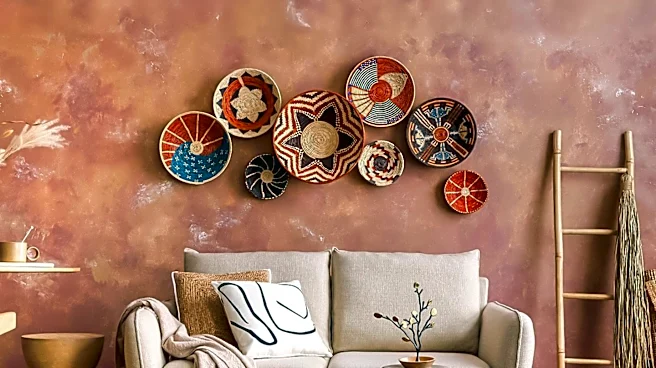
Interiors NYC, homes should reflect a more curated and personalized aesthetic by this age. Instead of mass-produced art, they suggest opting for meaningful pieces, such as artwork from favorite artists, landscapes of travel destinations, custom art, or even framed creations by children. The emphasis is on art that tells a story and showcases personality, rather than art that is widely available. Similarly, matching bedroom sets are discouraged in favor of mixing and matching pieces to create a more unique and character-filled space. Rebecca Merritt, founder of Merritt Design Co., also stresses the importance of investing in comfortable and well-made bedding by age 40, given the significant amount of time spent sleeping.
Why It's Important?
This shift in home decor philosophy highlights a broader cultural trend towards personalization and authenticity in living spaces, particularly as individuals mature. For consumers, it means a move away from transient trends and mass-market items towards more thoughtful and enduring investments in their homes. This perspective encourages a more conscious approach to consumption, prioritizing items with personal significance and quality over convenience and cost-effectiveness. For the home decor industry, this advice could influence product development, potentially increasing demand for custom art, unique furniture pieces, and higher-quality bedding. It also underscores the growing role of interior designers in guiding consumer choices, emphasizing that a home should evolve to reflect an individual's current lifestyle and values, rather than remaining static with items acquired in earlier life stages. The focus on meaningful art also suggests a potential boost for independent artists and galleries offering unique works.
What's Next?
Consumers are likely to increasingly seek out personalized and unique home decor items, moving away from readily available generic options. This could lead to a greater demand for custom framing services, local artists, and specialized art galleries. Retailers in the home furnishings sector may adapt by offering more diverse and customizable product lines, moving beyond standard matching sets to encourage eclectic and curated aesthetics. There might also be an increased emphasis on educational content from designers and home decor influencers, guiding individuals on how to identify and incorporate meaningful pieces into their homes. The trend suggests a continued evolution in how people view their living spaces—not just as functional areas, but as extensions of their identity and personal journey.
Beyond the Headlines
The advice to ditch generic decor by age 40 touches upon deeper psychological and sociological implications. It suggests that as individuals mature, their homes become more than just shelters; they transform into curated reflections of personal identity, experiences, and values. The rejection of 'generic' items can be seen as a desire to assert individuality and move beyond the conformity often associated with younger, less established life stages. This trend also highlights a growing appreciation for craftsmanship, uniqueness, and the stories behind objects, fostering a more mindful approach to consumption. Ethically, it encourages supporting artists and businesses that offer distinctive products, potentially contributing to a more sustainable and less disposable consumer culture in home decor. Culturally, it reinforces the idea that a well-designed home is a testament to personal growth and self-awareness.