






What's Happening?
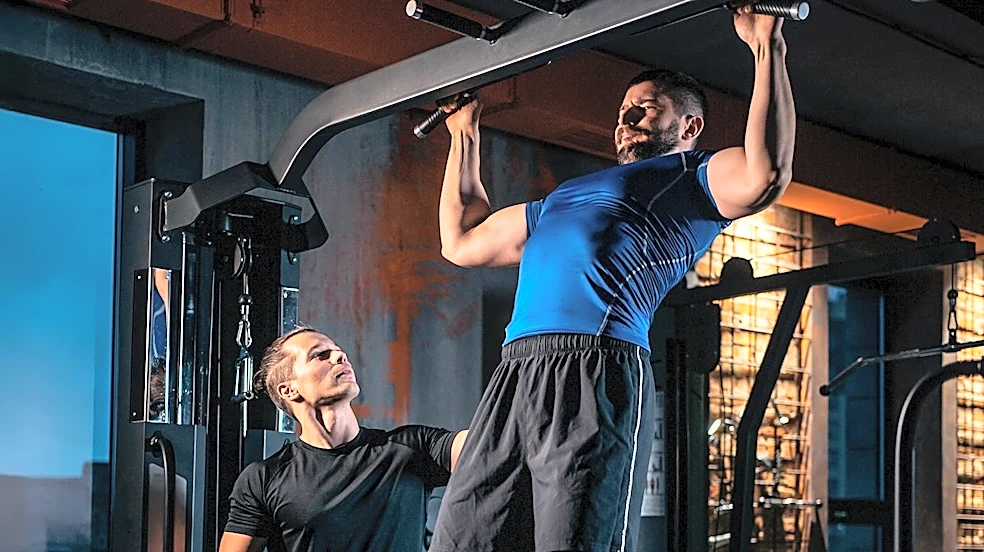
Women over 40 are advised to engage in strength training to maintain muscle mass, improve mobility, and preserve independence, according to fitness experts. This recommendation comes amidst increasing awareness of the importance of muscle and bone health
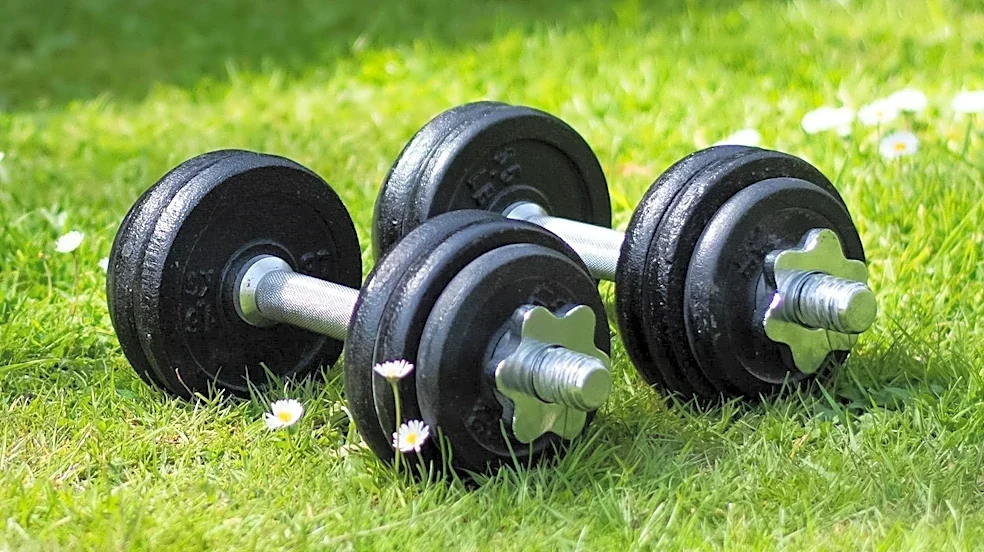
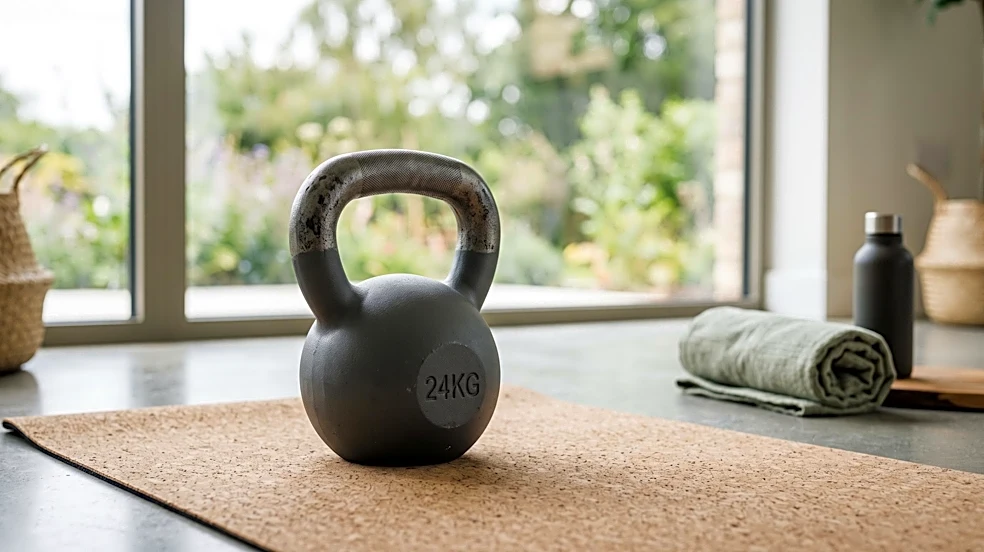
as women age, particularly concerning the risk of osteoporosis. The guidance emphasizes that the 'right' weight for lifting depends on an individual's current strength, specific exercise, experience level, and personal goals, rather than a universal standard. It is not necessary to lift the heaviest possible weights to achieve results; consistent training with appropriate resistance and gradual increases in challenge are key. The advice also highlights that both heavier weights for maximal strength and lighter weights with sufficient effort can stimulate muscle growth. For many, moderate weights allowing 8-12 controlled repetitions serve as a practical starting point.
Why It's Important?
This focus on strength training for women over 40 is crucial for addressing several significant health challenges. As women age, they face a higher risk of developing osteoporosis, a condition that weakens bones and increases fracture risk. Strength training directly contributes to bone health by providing the necessary stimulus for bone density maintenance and improvement. Furthermore, preserving muscle strength is vital for performing daily activities, from carrying groceries to getting up from the floor, thereby enhancing overall mobility and independence. The emphasis on progressive overload—gradually increasing the challenge—ensures continuous improvement and adaptation, which is essential for long-term health benefits. This approach helps women avoid the common mistake of sticking with weights that no longer challenge them, ensuring their workouts remain effective in building and maintaining strength and muscle.
What's Next?
Women over 40 are encouraged to integrate strength training into their fitness routines, ideally 3-5 times per week, though general guidelines suggest at least twice a week. Beginners should start with manageable weights to learn proper technique and gradually increase the load as strength improves. It is important to pay attention to how the last few repetitions of a set feel; if they are not challenging, it's time to increase the weight or resistance. Options for increasing challenge include using heavier dumbbells, adding more repetitions or sets, incorporating pauses or pulses into movements, or trying more advanced exercise variations. Tracking progress is also recommended to ensure consistent improvement and to identify when adjustments are needed. The goal is to find a sustainable and challenging routine that supports long-term health and fitness goals.
Beyond the Headlines
The emphasis on strength training for women over 40 extends beyond physical benefits, touching upon broader societal implications regarding aging and women's health. By promoting strength training, there's a shift towards empowering women to proactively manage their health and maintain a higher quality of life as they age. This approach challenges the misconception that aging inevitably leads to frailty and dependence, instead advocating for active and robust aging. Ethically, it underscores the importance of accessible and tailored fitness guidance, recognizing the unique physiological changes women experience, such as those during perimenopause and menopause. Culturally, it helps normalize and encourage women to engage in strength-building activities, potentially breaking down stereotypes about women's fitness capabilities and promoting a more inclusive view of physical strength across all age groups.