








What's Happening?
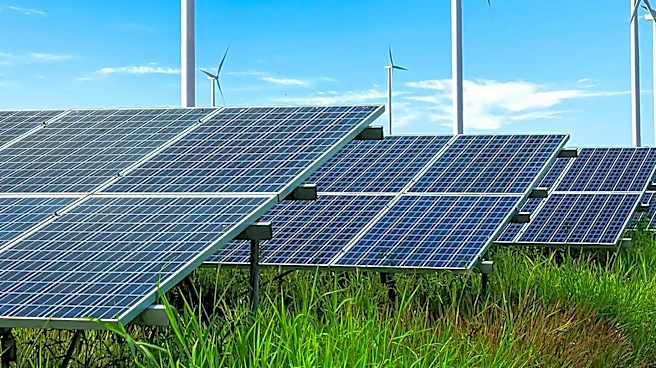
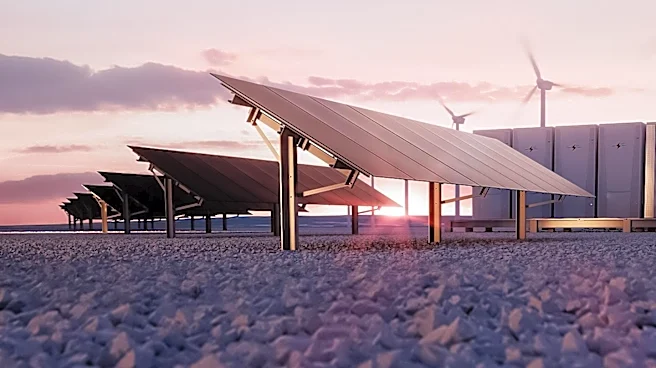
AgentSolar AI, a company founded by Tursun Ablekim, has developed an innovative AI-driven platform aimed at reducing the high 'soft costs' associated with rooftop solar installations in the United States. These costs, which include customer acquisition
and sales processes, have historically been much higher in the U.S. compared to other countries like Europe and Australia. The platform, known as AgentSolar, utilizes agentic AI to actively advocate for consumers by analyzing proposal documents, verifying installer reputations, and negotiating better terms on behalf of homeowners. This approach is designed to address the inefficiencies and overpricing that have led to U.S. homeowners overpaying by an estimated $2 billion in 2025 alone.
Why It's Important?
The introduction of AgentSolar AI's platform is significant as it addresses a major barrier to the adoption of solar energy in the U.S. by tackling the high soft costs that inflate the price of solar installations. By automating the negotiation and verification processes, the platform not only aims to make solar energy more affordable but also more accessible to a broader range of consumers. This could potentially accelerate the transition to renewable energy sources, contributing to environmental sustainability and energy independence. Additionally, by reducing the 'sales-rep tax,' the platform could lead to more competitive pricing in the solar market, benefiting consumers and encouraging further investment in solar technology.
What's Next?
The success of AgentSolar AI's platform in reducing solar soft costs will depend on its adoption by consumers and its ability to consistently secure better deals. If successful, it could set a precedent for similar AI-driven solutions in other sectors facing high soft costs. The platform's impact on the solar industry could also prompt regulatory bodies to consider new standards for transparency and fairness in solar pricing. Furthermore, as the platform evolves, it may incorporate additional features to address other challenges in the solar installation process, such as permitting and compliance with local regulations.