








What's Happening?
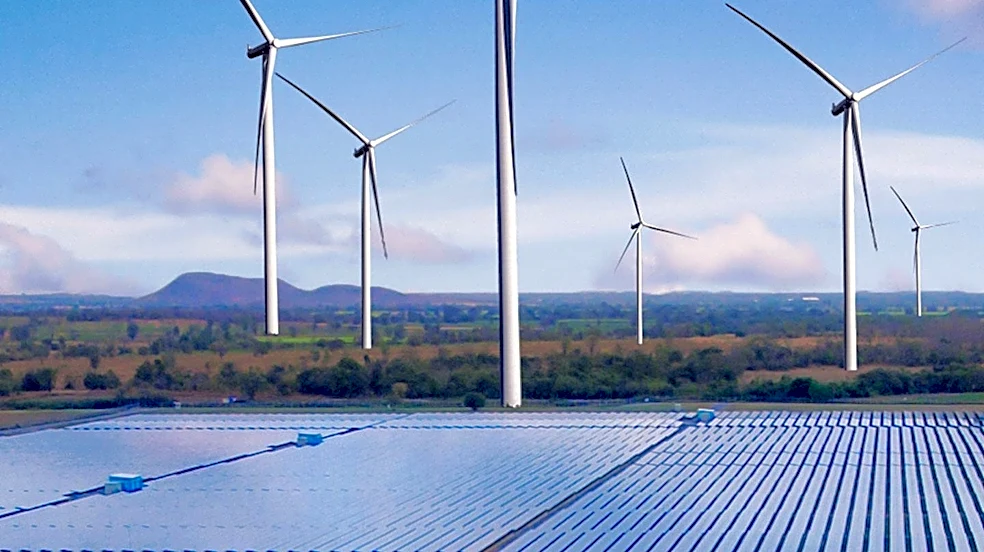
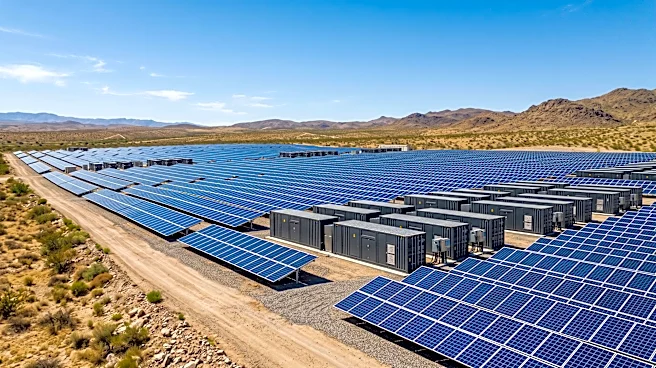
The United Arab Emirates (UAE) is making substantial investments in green hydrogen production, primarily for export, leveraging its low-cost solar electricity. This strategic move positions the UAE, along with other Middle Eastern and African nations,
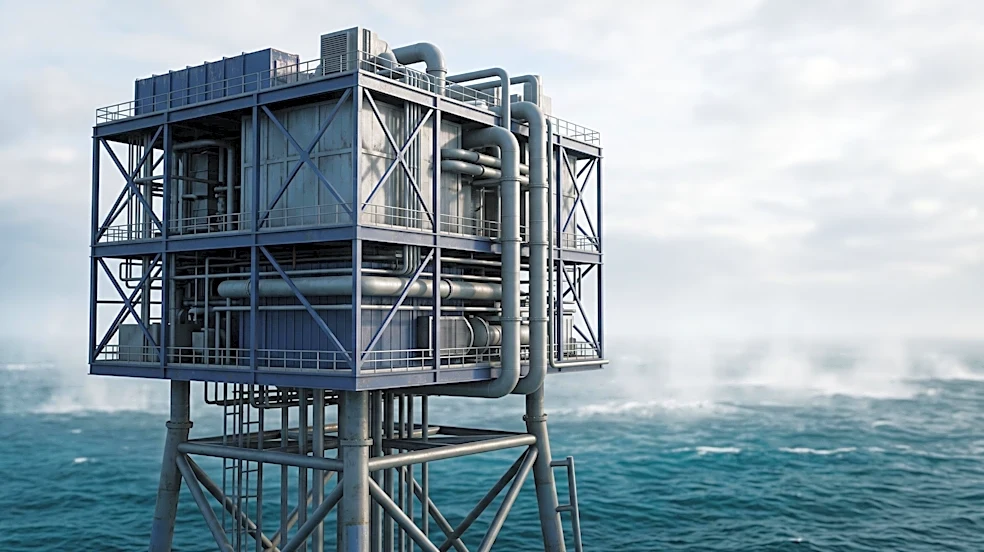
to potentially supply green hydrogen to Europe at prices that European domestic producers may not be able to match. The focus of this green hydrogen production is not for passenger vehicles but for heavy industry and chemical feedstocks. Electrolyzers are being scaled up from megawatt to gigawatt-class facilities, strategically located near coastal industrial clusters to utilize abundant offshore wind and seawater desalination. The economic viability of green hydrogen is expected to reach a tipping point when its price becomes competitive with grey hydrogen (produced from fossil fuels) in sectors like ammonia and steel, which is anticipated to trigger significant financing for dedicated hydrogen pipelines.
Why It's Important?
This development is significant for the global energy landscape, particularly for the U.S. and its allies, as it highlights a major shift in energy production and trade. The UAE's ability to produce green hydrogen at a lower cost could disrupt traditional energy markets and create new dependencies. For the U.S., this could mean new opportunities for technological collaboration in hydrogen infrastructure and export markets, but also potential competition in the burgeoning green energy sector. The shift towards green hydrogen for heavy industry and chemical feedstocks indicates a broader decarbonization trend that will impact global supply chains and industrial processes. The economic tipping point for green hydrogen parity with grey hydrogen will be a critical milestone, potentially accelerating the transition away from fossil fuels and influencing investment decisions in both traditional and renewable energy sectors worldwide. This also underscores the growing importance of energy security and diversification for nations globally.
What's Next?
The anticipated economic tipping point for green hydrogen price parity with grey hydrogen is expected to trigger a wave of financing for dedicated hydrogen pipelines, indicating a significant infrastructure build-out. This will likely involve international collaborations and investments, potentially including U.S. companies and financial institutions. The aggressive regulatory mandates for net-zero emissions in Europe and other regions will continue to drive demand for green hydrogen, further incentivizing production in countries like the UAE. Technological advancements in turbine efficiency and perovskite solar cells will also play a crucial role in enhancing the cost-effectiveness of green hydrogen production. Challenges such as supply chain bottlenecks for critical minerals, grid infrastructure aging, and inconsistent permitting processes will need to be addressed to ensure the smooth deployment and integration of green hydrogen into the global energy mix. The competitive landscape will see major utilities and agile startups vying for market share, with long-term subsidies and carbon pricing favoring sustained growth.
Beyond the Headlines
The UAE's aggressive push into green hydrogen for export has deeper implications beyond immediate economic and energy shifts. It represents a strategic diversification for a major hydrocarbon producer, signaling a long-term vision for a post-fossil fuel economy. This move could set a precedent for other oil-rich nations, influencing their investment strategies and accelerating the global energy transition. Ethically, the development of low-cost green hydrogen could democratize access to clean energy for industries that are difficult to decarbonize, such as steel and ammonia production, which have significant environmental footprints. However, it also raises questions about the potential for new forms of energy dependence and the geopolitical implications of a shift in energy power dynamics. The technological advancements required for large-scale green hydrogen production and transport will also spur innovation in related fields, creating new industries and job markets globally. This transition is not merely about energy but about reshaping economic power, environmental sustainability, and international relations.