







What's Happening?
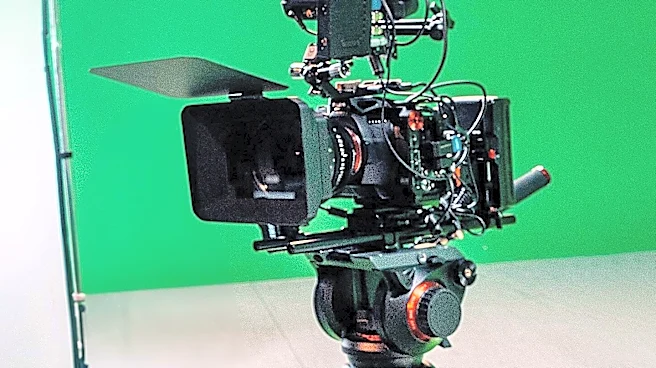
Filmmaker Rian Johnson and his long-time cinematographer Steve Yedlin have released a new iPhone camera application called Chromagraph Camera. The app is designed to allow users to capture photos with the same image processing aesthetic used in their
films, including the 'Knives Out' franchise. Johnson announced the app's launch, stating that it shoots in RAW format and bypasses the iPhone's standard image processing, instead applying Yedlin's custom processing. The app also offers tools for fine-tuning images, such as color, exposure, grain, and halation, before exporting them to the camera roll. Yedlin, who has collaborated with Johnson for nearly 30 years, developed the image processing used in the app. While currently limited to still photography, the creators acknowledge the inherent limitations of a mobile device camera compared to professional equipment.
Why It's Important?
The launch of the Chromagraph Camera app is significant for both professional and amateur photographers and filmmakers. It democratizes access to a high-level cinematic aesthetic, allowing a broader audience to experiment with the visual style previously exclusive to Rian Johnson and Steve Yedlin's productions. This could influence mobile photography trends, pushing for more nuanced and film-like image processing in everyday captures. For aspiring filmmakers and cinematographers, the app provides a practical tool to understand and replicate specific visual qualities, potentially serving as an educational resource. The move also highlights a growing trend of professional creative tools being adapted for consumer-grade devices, blurring the lines between professional and casual content creation. It could also inspire other filmmakers to release similar tools, further enriching the mobile creative ecosystem.
What's Next?
Currently, the Chromagraph Camera app is limited to still photography, but future updates could introduce video capabilities, expanding its utility for mobile content creators. The app's success may also prompt Apple or other third-party developers to integrate similar advanced image processing features directly into their native camera applications or offer more customizable options. The availability of such a tool could lead to a new wave of mobile-shot short films or artistic projects that leverage this specific cinematic look. Furthermore, the app's reception will likely influence whether other prominent cinematographers and directors consider releasing their proprietary image processing techniques to the public, potentially fostering a new niche market for professional-grade mobile photography and videography tools.
Beyond the Headlines
This development touches upon the evolving relationship between professional filmmaking and consumer technology. By making their unique image processing accessible, Johnson and Yedlin are not only offering a product but also sharing a piece of their artistic methodology. This could lead to a deeper appreciation among the public for the technical artistry involved in cinematography. It also raises questions about the future of visual aesthetics in a world where professional-grade tools become increasingly available to everyone. The app could serve as a bridge, allowing users to understand the subtle differences that professional color grading and image processing make, moving beyond simple filters to a more sophisticated manipulation of visual data. This could, in turn, elevate the overall quality and artistic ambition of user-generated content.