



What's Happening?
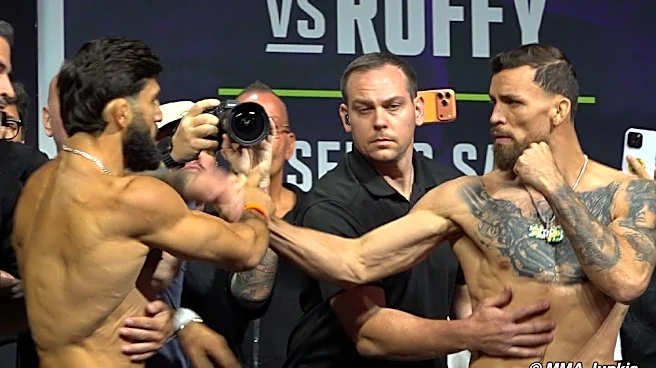
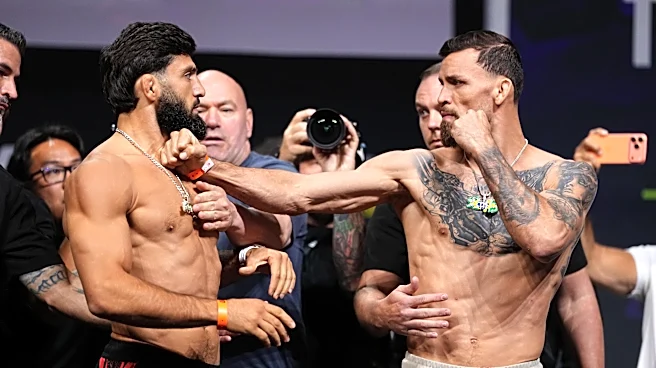
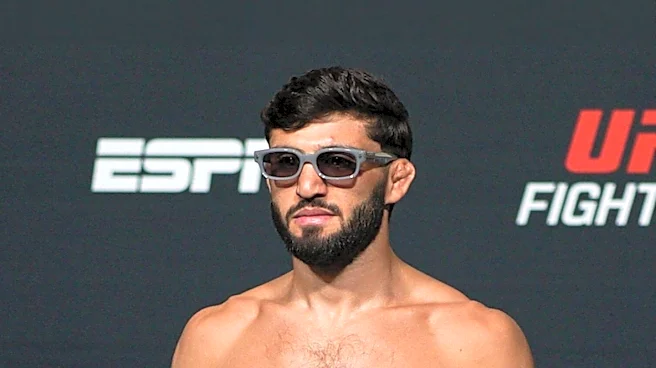
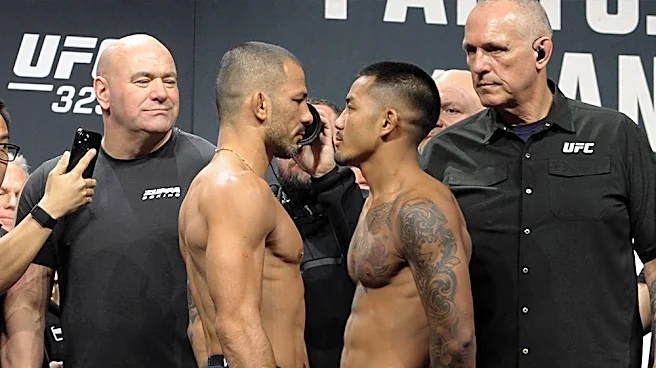
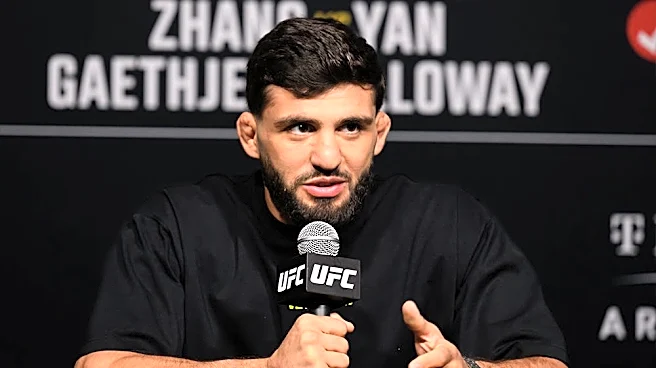
Arman Tsarukyan and Mauricio Ruffy had to be separated during their final faceoff at the UFC 331 ceremonial weigh-ins in Los Angeles. The incident occurred on Friday night, ahead of their co-main event lightweight fight on Saturday. After stepping off the scale,
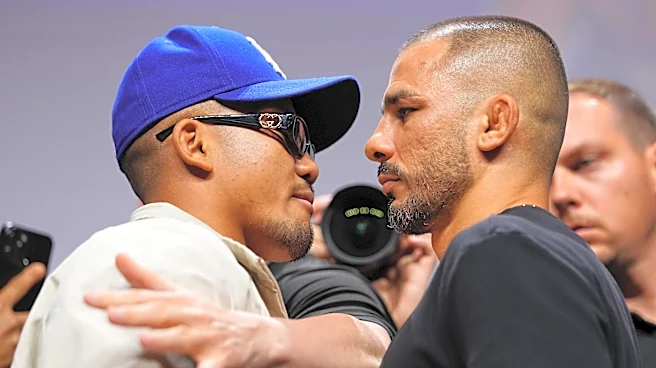
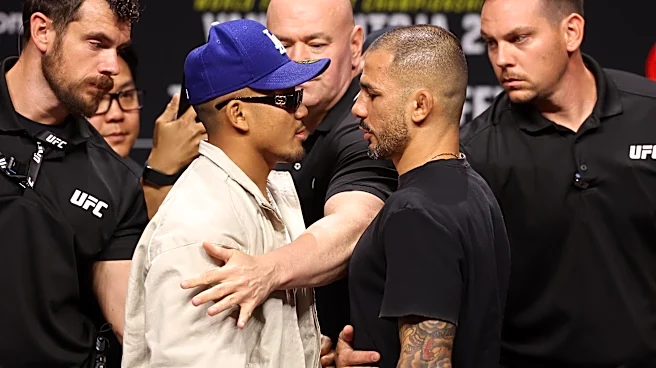
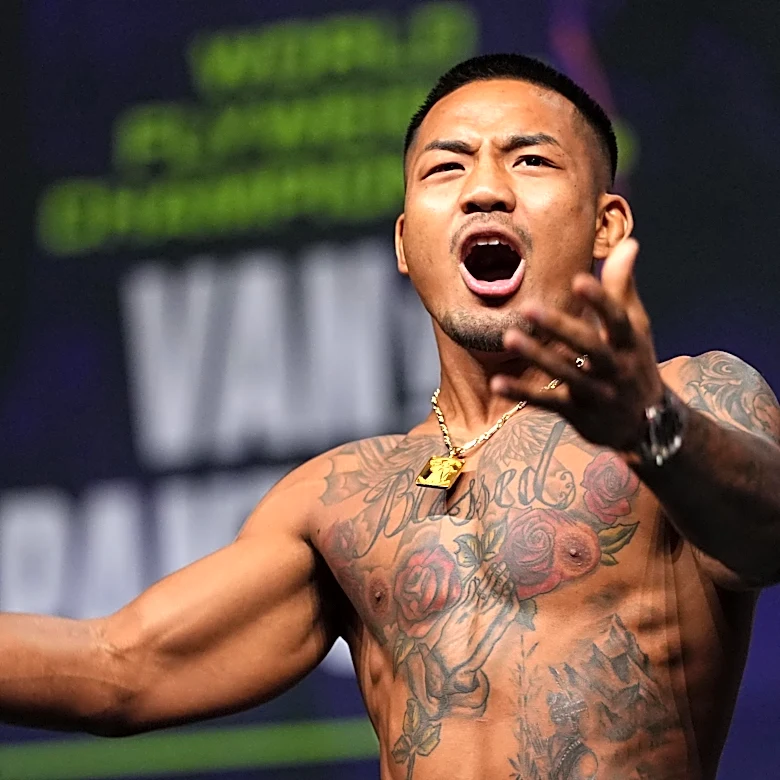
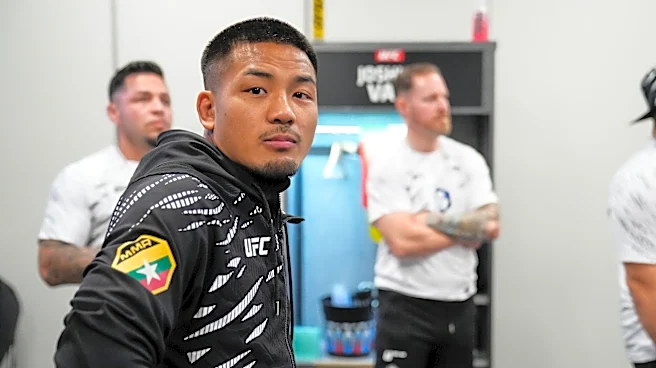
Tsarukyan approached Ruffy, who was posing with his fist extended. Tsarukyan stepped inside Ruffy's fist, prompting Ruffy to push him back, nearly escalating into an altercation before security intervened. This is not the first time Tsarukyan has been involved in pre-fight incidents; he famously headbutted Dan Hooker at a previous faceoff before their fight at UFC Qatar. In contrast, the main event fighters, Joshua Van and Alexander Pantoja, who have been feuding throughout the week, maintained composure during their faceoff, keeping their hands to themselves. Their flyweight title rematch is the main event of UFC 331.
Why It's Important?
This incident highlights the intense psychological warfare and competitive spirit often present in mixed martial arts, particularly in high-stakes bouts like a title eliminator. While such confrontations can generate significant media attention and fan interest, they also raise concerns about fighter conduct and the potential for pre-fight altercations. For Arman Tsarukyan, this repeated behavior could impact his reputation with the UFC, potentially leading to disciplinary actions or affecting future fight opportunities, despite his fighting prowess. For Mauricio Ruffy, the incident could serve as a psychological challenge or motivation. These pre-fight theatrics are often a calculated part of promoting an event, but when they cross a line, they can overshadow the sport itself. The UFC's role in managing these situations, ensuring fighter safety, and maintaining the integrity of the sport is crucial. The contrast with the main event fighters, who kept their composure, underscores the varying approaches fighters take to pre-fight interactions.
What's Next?
The immediate consequence of the faceoff incident is heightened anticipation for the Arman Tsarukyan vs. Mauricio Ruffy fight at UFC 331. Both fighters will now enter the octagon with increased tension and potentially a more aggressive mindset. The UFC will likely monitor the situation closely, and depending on the outcome of the fight and any further incidents, Tsarukyan could face internal review or disciplinary measures for his repeated pre-fight conduct. For fans, the incident adds another layer of drama to an already anticipated fight card. Beyond this event, the UFC may re-evaluate its protocols for fighter faceoffs to prevent similar situations, especially given Tsarukyan's history. The outcome of this lightweight bout, which is considered a title eliminator, will significantly impact the trajectory of both fighters' careers within the division, potentially setting up the winner for a future title shot.
Beyond the Headlines
The recurring nature of pre-fight altercations, particularly involving certain fighters, points to a broader discussion about the role of aggression and showmanship in combat sports. While a degree of intensity is expected and even encouraged to build hype, there's a fine line between competitive spirit and unsportsmanlike conduct. These incidents can reflect the immense pressure fighters are under, both to perform and to promote their fights. Ethically, it raises questions about the responsibility of athletes as role models and the impact of such behavior on the sport's image. Legally, repeated physical altercations outside the octagon could lead to more stringent regulations or penalties from athletic commissions. Culturally, these moments feed into the narrative of combat sports as a spectacle, where personal rivalries and raw emotion are as much a part of the draw as the athletic competition itself. The challenge for the UFC and other combat sports organizations is to harness this energy for entertainment without compromising safety or the integrity of the sport.