







What's Happening?
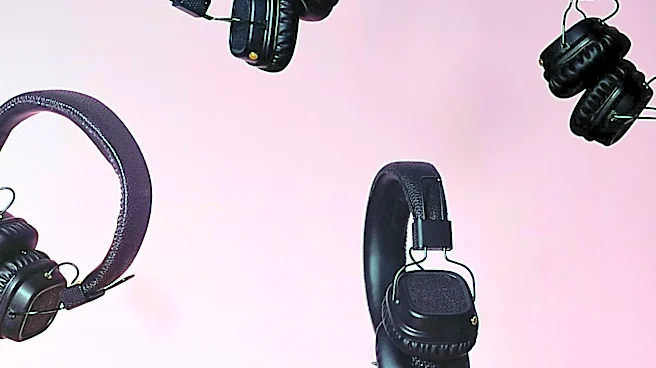
Marshall, a prominent music equipment company, has successfully sued OWGH, a retailer, for trademark infringement. OWGH was found liable for selling counterfeit Marshall Major V headphones on Amazon's UK website. Marshall presented evidence from multiple
test purchases, conducted by both Marshall and third-party agents, which were then meticulously inspected by their Brand Protection Specialist. The specialist provided detailed evidence, including screen recordings of serial number checks against Marshall's secure internal system, confirming the headphones were not genuine. Marshall's witnesses were praised by the Judge for their 'clear and meticulous' evidence. Conversely, OWGH's director, Mr. Stern, failed to provide sufficient evidence to support his claims that the products were genuine or that an exhaustion defense applied, leading to the Judge dismissing his arguments. The Judge found Marshall's evidence 'overwhelming' and ruled in their favor.
Why It's Important?
This ruling is significant for brand owners, particularly those in the consumer electronics and music industries, as it reinforces the importance of robust brand protection strategies. The case demonstrates that a forensic approach to evidence collection, including detailed test purchases and serial number tracking, can be highly effective in combating counterfeit goods. For consumers, this outcome helps protect them from purchasing substandard or fake products under the guise of reputable brands. For the broader market, it sends a strong message to counterfeiters and retailers of counterfeit goods that intellectual property rights will be vigorously defended, potentially deterring future infringements. The judgment also highlights the liabilities faced by online retailers who may inadvertently or knowingly sell counterfeit items, emphasizing the need for stricter supply chain scrutiny.
What's Next?
Following the judgment, Marshall is expected to seek further action against OWGH. This will likely include demands for the delivery or destruction of all counterfeit stock, undertakings to prevent future sales of similar items, and full disclosure of OWGH's suppliers. This information would enable Marshall to investigate the full extent of the counterfeit operation. The case also serves as a precedent, encouraging other brand owners to be proactive in monitoring online sellers and scrutinizing their retailers. It may lead to increased vigilance from e-commerce platforms like Amazon in vetting their third-party sellers to prevent the sale of counterfeit goods, potentially impacting how online marketplaces operate and enforce intellectual property rights.
Beyond the Headlines
This case underscores the persistent challenge of counterfeiting in the digital age, where online marketplaces can inadvertently become conduits for illicit goods. Beyond the immediate legal victory, Marshall's success highlights the critical role of technological solutions, such as secure serial number registries, in authenticating products and combating fraud. The detailed evidence presented by Marshall, particularly the use of internal systems to verify product authenticity, sets a high bar for brand protection. It also brings to light the broader economic implications of counterfeiting, which not only harms legitimate businesses but also erodes consumer trust and can pose safety risks. The judgment could encourage a more collaborative approach between brands, online platforms, and law enforcement to develop more effective strategies against global counterfeiting networks, potentially leading to industry-wide best practices for product authentication and supply chain integrity.