

What's Happening?
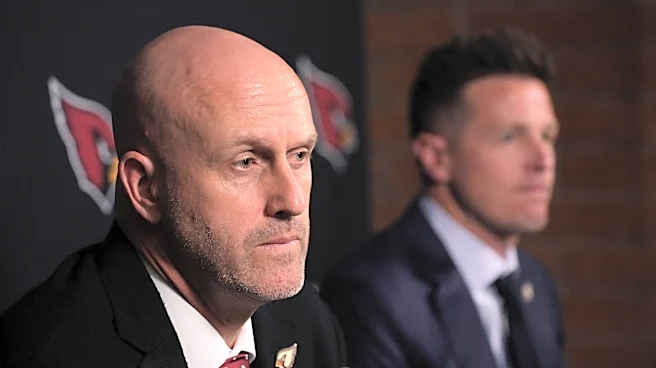
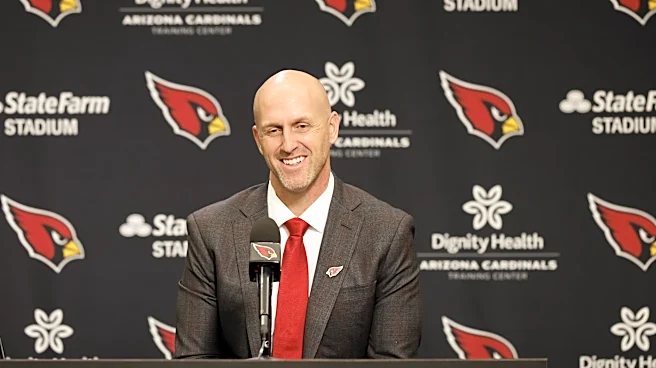
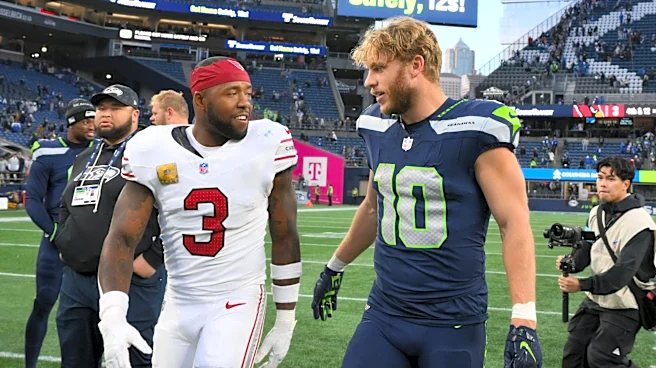
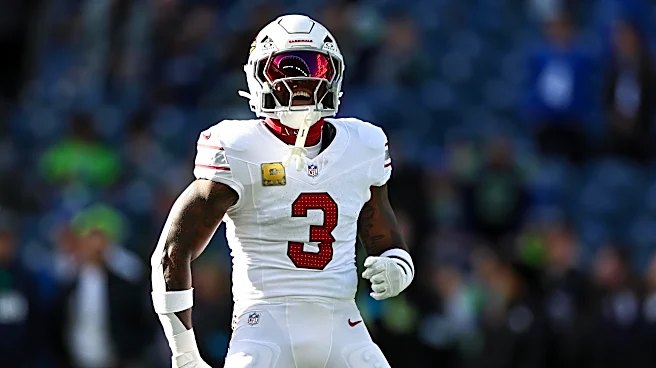
The Arizona Cardinals' front office, led by owner Michael Bidwill and General Manager Monti Ossenfort, is facing increasing criticism following their performance at the recent NFL Trade Deadline. According to the Southwest Bias podcast, the team's failure
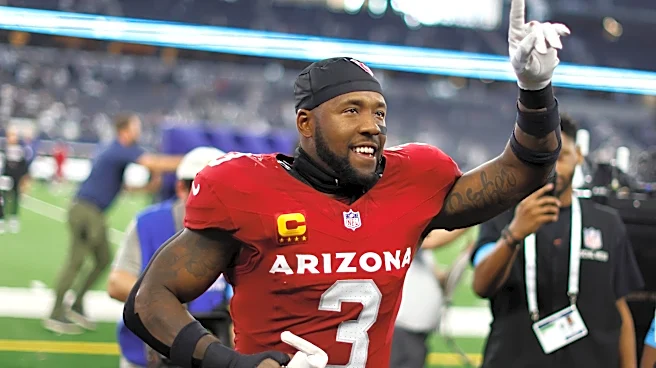
to make impactful trades or move valuable assets like Budda Baker and Josh Sweat has led fans and analysts to question the organization's commitment to winning and its long-term vision. While other NFL teams actively sought to improve their rosters, the Cardinals' perceived inaction has fueled frustration among their fanbase. The podcast specifically highlights concerns about whether Ossenfort missed opportunities to enhance the team's future and what Bidwill's leadership signifies for the franchise's direction. This situation has intensified existing doubts about the organizational problems that have plagued the team for years, suggesting a lack of a clear plan for rebuilding or competing.
Why It's Important?
This situation is important because it reflects broader issues within professional sports franchises regarding ownership accountability and strategic decision-making. For the Arizona Cardinals, the perceived lack of action at the trade deadline could have significant implications for team morale, fan engagement, and future player acquisitions. A consistent failure to demonstrate a clear path to competitiveness can erode fan loyalty and impact revenue streams. Furthermore, it raises questions about the effectiveness of the team's leadership in a highly competitive league where strategic moves are crucial for success. The criticism directed at Michael Bidwill and Monti Ossenfort underscores the pressure on NFL front offices to not only build a winning team but also to communicate a coherent strategy to their stakeholders, including players, fans, and the media. The long-term impact could include difficulty attracting top talent and a sustained period of underperformance.
What's Next?
In the immediate future, the Arizona Cardinals' performance on the field will be under intense scrutiny, as fans and analysts look for signs of progress despite the trade deadline inactivity. The front office, particularly Michael Bidwill and Monti Ossenfort, will likely face continued pressure to articulate a clear vision and strategy for the team's future. This could manifest in public statements, future draft decisions, and potential coaching staff evaluations. Stakeholders, including fan groups and local media, are expected to maintain their critical stance, demanding greater accountability and a more proactive approach to team building. The team's upcoming games will serve as a barometer for whether the current roster can achieve unexpected success or if the organizational issues highlighted by the trade deadline will continue to hinder their performance. Future off-season moves, such as free agency and the NFL Draft, will be critical tests of the front office's ability to address current roster deficiencies and demonstrate a commitment to winning.
Beyond the Headlines
Beyond the immediate concerns, this situation highlights a recurring theme in professional sports: the tension between short-term financial considerations and long-term competitive success. The Cardinals' perceived reluctance to make significant moves could be interpreted in various ways, from a cautious approach to asset management to a lack of urgency in addressing team weaknesses. This raises ethical questions about the responsibility of ownership to its fanbase and the broader community that supports the team. Legally, while owners have broad discretion, sustained underperformance and fan dissatisfaction can lead to calls for changes in leadership or even ownership, as seen in other sports franchises. Culturally, the narrative surrounding the Cardinals' front office could impact the team's identity and its standing within the league, potentially affecting its ability to attract top-tier coaching talent and players who seek a winning environment. This ongoing scrutiny could force a re-evaluation of the organizational culture and decision-making processes within the franchise.