




What's Happening?
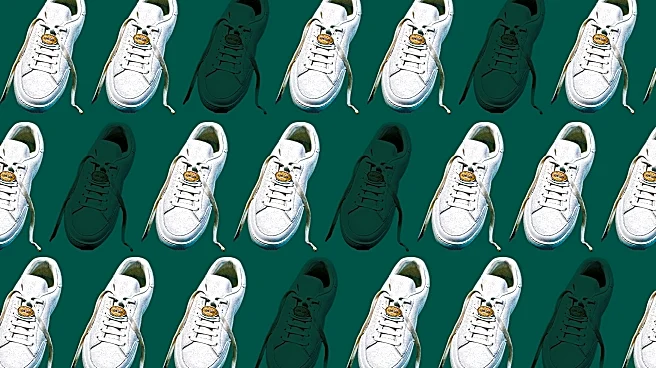
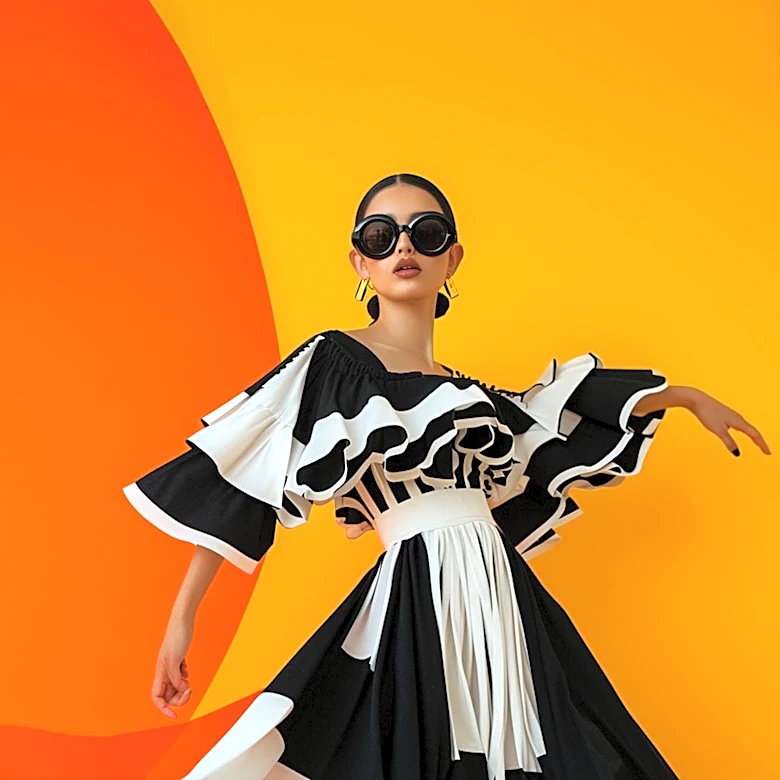
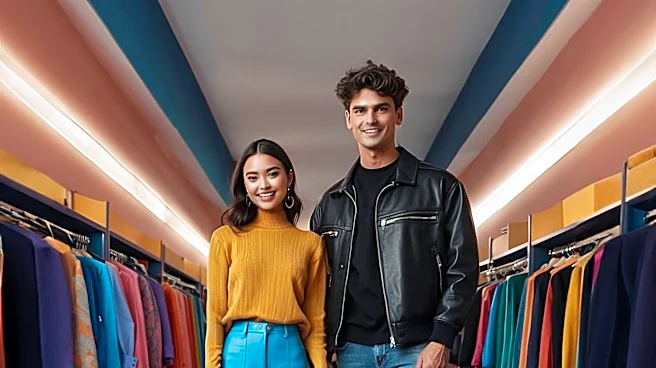
Gen Z is increasingly turning to vintage and second-hand fashion, transforming it into a status symbol. This generation, accustomed to the rapid cycles of fast fashion and digital feeds, shows a strong appreciation for pre-loved garments. According to Francesca
Vigna, a Professor at Istituto Marangoni Paris, this trend is driven by a desire for uniqueness, a sense of history, and the inherent imperfections that mass-produced items lack. Vintage pieces offer an identity, a past, and a texture that cannot be replicated by new production. The flaws in these garments, such as worn hems or faded colors, are seen as badges of individuality. This movement is viewed as less of a fleeting trend and more of a return to instinct, motivated by ecological, economic, and emotional necessities.
Why It's Important?
This growing preference for vintage fashion among Gen Z has significant implications for the U.S. fashion industry. It challenges the traditional fast fashion business model, which relies on rapid production and consumption of new clothing. Brands that continue to prioritize mass production of identical items may struggle to connect with this demographic. The emphasis on sustainability and uniqueness could lead to a greater demand for ethical sourcing, upcycling initiatives, and transparent production practices across the industry. It also highlights a shift in consumer values, where authenticity and individuality are prized over brand new, trendy items. This trend could foster the growth of local vintage markets, online resale platforms, and designers specializing in upcycled fashion, creating new economic opportunities while potentially reducing textile waste.
What's Next?
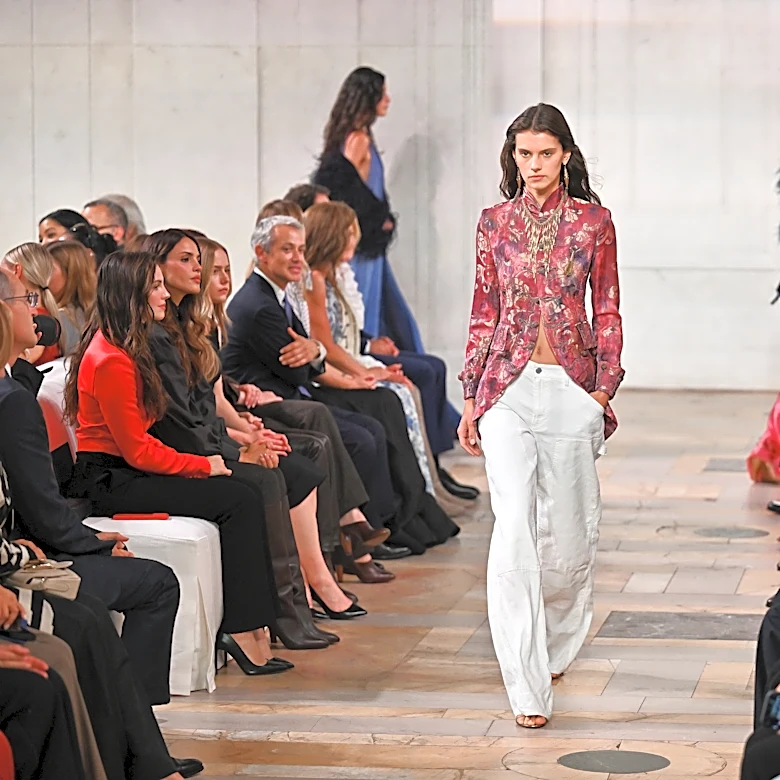
The fashion industry is likely to see continued growth in the vintage and second-hand markets, both online and in physical stores. Brands may respond by integrating more sustainable practices, launching their own resale programs, or collaborating with vintage curators. Designers might draw more inspiration from historical fashion, focusing on craftsmanship and durability rather than fleeting trends. Educational institutions, like Istituto Marangoni Paris, are already incorporating vintage curation and sustainable design into their curricula, preparing future designers for this evolving landscape. Consumers can expect to see more emphasis on the stories behind garments and the value of their longevity. This movement could also lead to a re-evaluation of what constitutes 'luxury,' shifting from exclusivity based on price to exclusivity based on uniqueness and historical significance.
Beyond the Headlines
The embrace of vintage fashion by Gen Z reflects a deeper cultural commentary on consumerism and identity. In a world saturated with digital content and mass-produced goods, vintage items offer a tangible connection to the past and a sense of individuality that is increasingly rare. This trend can be seen as a form of 'slow fashion,' advocating for thoughtful consumption and appreciation for craftsmanship. It also highlights a generational desire to resist the homogeneity often associated with globalized markets and social media trends. The act of seeking out and wearing vintage clothing becomes a personal statement, a way to express unique style while also making an ethical choice. This movement could inspire broader changes in how society values objects, moving towards an appreciation for longevity, repair, and the stories embedded within material possessions.