






What's Happening?
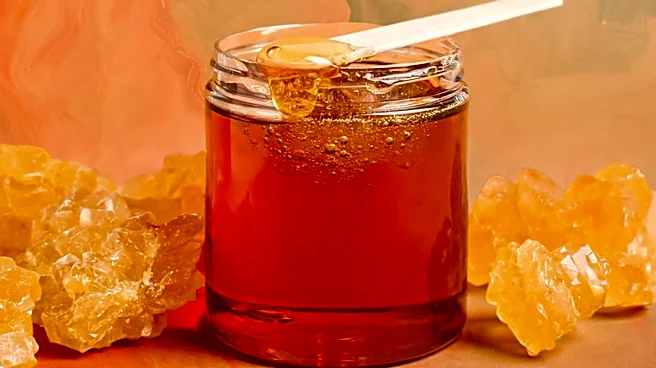
Crystallization, often perceived as a sign of spoilage, is a natural and common occurrence in raw, unfiltered honey. This process involves glucose separating from water and forming solid crystals, a physical change rather than a chemical one. Honey is a supersaturated
sugar solution, meaning it contains more sugar than water can permanently dissolve. Over time, glucose molecules link together, causing the honey to become grainy or solid. This phenomenon is particularly prevalent in raw honey because commercial processing often involves heating and ultra-filtering, which removes pollen and enzymes that act as seed points for crystal formation. The speed of crystallization is influenced by the honey's floral source, its glucose-to-fructose ratio, and storage temperature. For instance, honeys high in glucose, like clover or dandelion varieties, tend to crystallize faster. The ideal temperature range for rapid crystallization is between 50 to 59°F.
Why It's Important?
Understanding honey crystallization is crucial for consumers and producers in the U.S. market. For consumers, recognizing crystallization as a natural process can prevent unnecessary discarding of perfectly good honey, promoting food waste reduction and better appreciation for raw products. It also helps differentiate between minimally processed, high-quality honey and heavily processed alternatives that may have lost some of their natural enzymes and nutrients due to heating and filtering. For honey producers and retailers, educating customers about crystallization can build trust and reinforce the value of raw, unfiltered honey. This knowledge can influence purchasing decisions, encouraging consumers to opt for products that retain their natural characteristics, even if they crystallize. The perception of crystallized honey directly impacts market demand and the economic viability of producers focusing on natural honey products.
What's Next?
The honey industry and consumer education initiatives are likely to continue efforts to inform the public about the natural properties of honey, including crystallization. This could involve clearer labeling on honey products, educational campaigns by beekeeping associations, and increased transparency from brands about their processing methods. Consumers can expect to see more information on how to decrystallize honey safely at home, typically through gentle warming methods that preserve its nutritional value. The emphasis will remain on distinguishing between natural crystallization and actual spoilage, which is rare for honey. This ongoing education aims to shift consumer perceptions, ensuring that the natural state of honey is understood and valued, thereby supporting the market for raw and minimally processed honey products.
Beyond the Headlines
The discussion around honey crystallization extends beyond mere product quality to broader themes of food authenticity and consumer trust. In an era where consumers increasingly seek natural and unprocessed foods, the ability to identify genuine raw honey, even in its crystallized form, becomes a marker of authenticity. This trend challenges conventional aesthetic preferences for perfectly clear, liquid honey, which often results from processes that diminish its natural benefits. The acceptance of crystallized honey reflects a growing consumer sophistication and a desire for transparency in food production. It also highlights the ethical implications of food processing, where aesthetic appeal can sometimes override nutritional integrity. This shift could encourage more sustainable and less interventionist practices within the food industry, fostering a deeper connection between consumers and the natural origins of their food.