








What's Happening?
The luxury real estate market is witnessing a significant shift towards wellness-focused penthouses, integrating advanced health infrastructure into residential designs. This trend is driven by a global rise in wellness-focused lifestyles, with the wellness economy
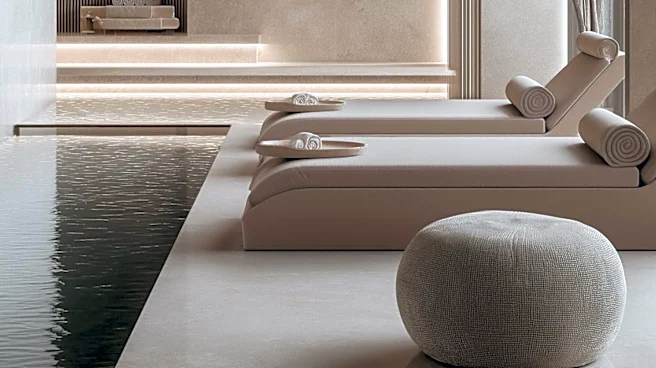
projected to reach $9.8 trillion by 2029. Developers in locations such as Costa Rica, Miami, and Dubai are blurring the lines between private homes, five-star hotels, and elite health clubs. New luxury properties are being designed with features like adaptive sleep technology, biometric-driven living systems, cryotherapy chambers, advanced air and water purification, and hyperbaric oxygen therapy rooms. Examples include Velara at Playa Azul in Costa Rica, Rivage Bal Harbour in Miami, Six Senses Residences Dubai Marina, KA Residences in Houston, and The Well Coconut Grove in Miami, all incorporating sophisticated wellness amenities to create homes that function as personal wellness and longevity centers.
Why It's Important?
This emerging trend in luxury real estate signifies a fundamental change in what constitutes a high-end home, moving beyond traditional aesthetics and comfort to prioritize health and well-being. For the U.S. real estate market, this means a new segment of high-value properties that cater to a health-conscious elite, potentially driving up property values in areas where such developments are concentrated. It also creates new opportunities for architects, designers, and technology providers specializing in health and wellness solutions. The integration of advanced medical and wellness technologies into homes could influence broader residential design standards, eventually trickling down to more mainstream housing. Furthermore, this trend reflects a societal shift where personal health is increasingly viewed as a luxury commodity, impacting consumer expectations and investment priorities in personal living spaces. Developers who embrace this trend stand to gain a competitive edge in attracting affluent buyers seeking holistic living environments.
What's Next?
The wellness penthouse trend is expected to expand, with more luxury developments incorporating comprehensive health and wellness features. Future developments may see even more personalized and data-driven wellness systems, potentially integrating AI to adapt living environments to individual biometric data. The demand for on-site wellness concierges and access to specialized health services within residential complexes is also likely to grow. This could lead to partnerships between real estate developers and leading wellness brands or medical institutions to offer exclusive health programs to residents. As the market matures, there may be a standardization of certain wellness features, making them more accessible within the luxury segment. Additionally, the focus on sustainability and biophilic design, already present in some of these projects, will likely become more pronounced as environmental consciousness intertwines with personal well-being in luxury living.
Beyond the Headlines
The rise of wellness penthouses highlights a deeper societal aspiration for control over one's health and environment, particularly among the affluent. It reflects a growing desire to mitigate the stresses of modern life and extend longevity through technological and environmental interventions within the home. This trend could exacerbate existing inequalities, as access to such advanced health-promoting living spaces remains exclusive to the ultra-wealthy. It also raises questions about the commodification of health and the potential for technology to create highly personalized, yet potentially isolated, living experiences. The emphasis on 'human optimization' within these residences suggests a cultural shift towards viewing the body as a system to be continuously improved and optimized, potentially influencing broader perceptions of health, aging, and the ideal living environment.