
What's Happening?
On Friday, global bond yields hovered near their highest levels in decades as oil prices, influenced by Middle Eastern conflicts, reignited inflation fears and potential interest rate hikes. Despite these
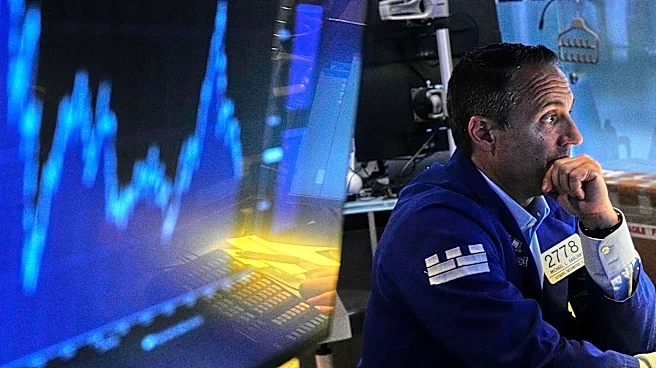
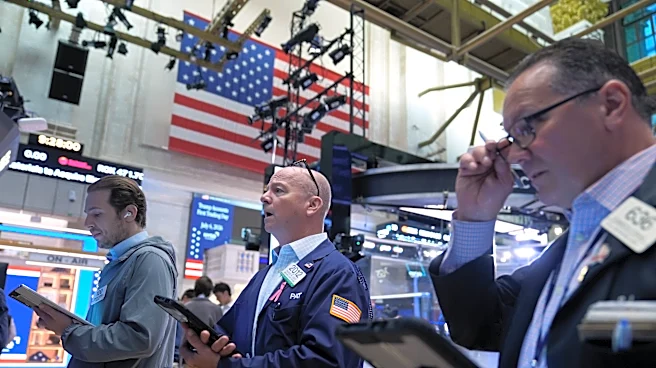
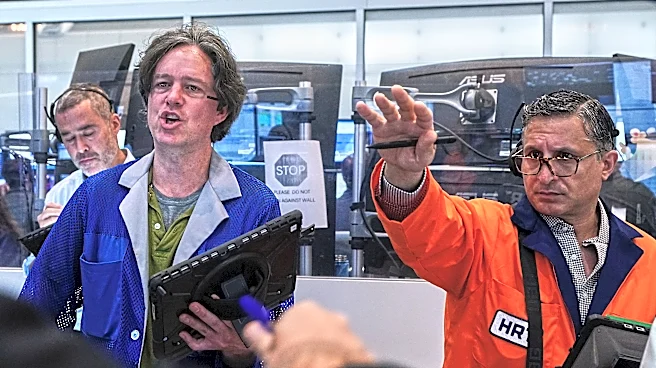
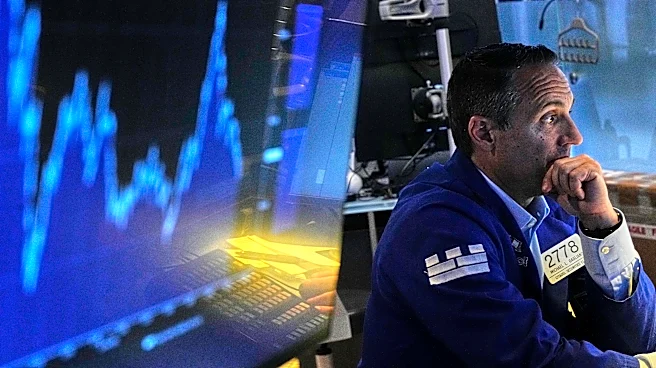
pressures, U.S. and European stocks showed little recovery from their weekly lows. The U.S. administration's announcement of higher tariffs on goods from 60 trade partners further fueled inflation concerns. The 30-year U.S. Treasury yields approached their highest since 2007, while German 10-year Bund yields remained near their highest since 2011. Wall Street saw minimal movement, with the Dow Jones and S&P 500 each rising about 0.1%, while the Nasdaq Composite fell by 0.1%. Technology stocks faced pressure due to concerns over AI investments. Meanwhile, the Brent crude oil price dropped to $97.84 per barrel after a significant rise, influenced by geopolitical tensions involving Iran and its allies.
Why It's Important?
The current market conditions highlight the delicate balance between inflationary pressures and economic stability. The potential for increased interest rates by the Federal Reserve could impact borrowing costs, affecting both consumer spending and business investments. The U.S. administration's tariff strategy may exacerbate inflation, influencing consumer prices and potentially slowing economic growth. The technology sector's struggles, particularly with AI investments, underscore the challenges of balancing innovation with profitability. These developments could lead to shifts in investor confidence and market dynamics, affecting both domestic and international economic landscapes.
What's Next?
Market participants are closely watching the Federal Reserve's upcoming decisions on interest rates, with a one-in-three chance of a rate hike anticipated next week. The European Central Bank's potential rate increase in September is also on the radar. Geopolitical tensions in the Middle East, particularly involving Iran, could further influence oil prices and global economic stability. Investors and policymakers will need to navigate these uncertainties, balancing inflation control with economic growth objectives.
Beyond the Headlines
The ongoing geopolitical tensions and economic policies could have long-term implications for global trade relations and energy markets. The U.S.'s tariff approach may lead to retaliatory measures from affected countries, impacting international trade dynamics. Additionally, the focus on AI investments in the tech sector raises questions about the sustainability of current business models and the future of technological innovation. These factors could lead to significant shifts in global economic power structures and technological advancements.