




What's Happening?
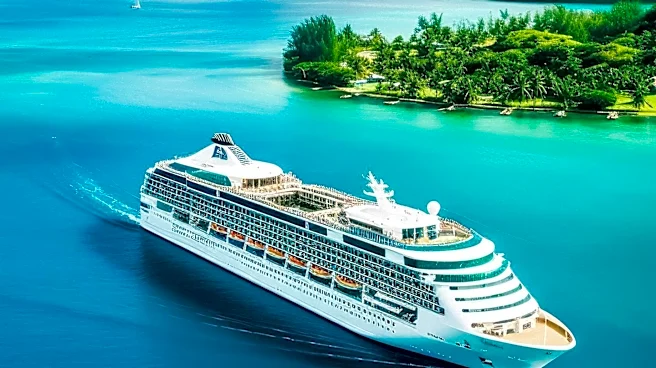
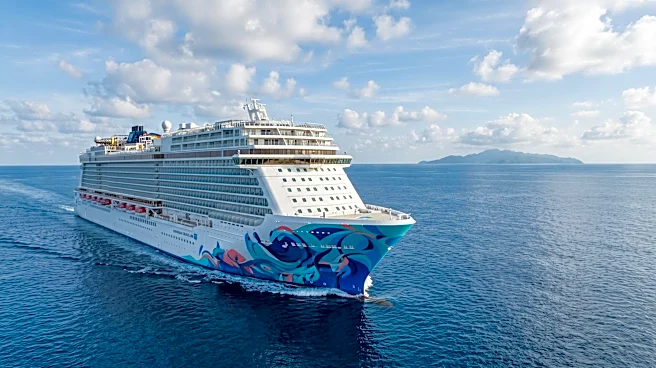
Mainstream cruise lines are offering various deals and promotions for Caribbean sailings, primarily for fall 2026 and winter 2026-2027. This surge in promotional activity is a direct result of increased ship capacity in the region and a simultaneous softening
of consumer demand. An influx of new ships, coupled with some vessels being repositioned to the Caribbean, has created a modest supply-demand imbalance. For instance, Norwegian Cruise Line increased its Caribbean deployment by 10% over 2025, and MSC Cruises redeployed its 6,700-passenger MSC World Europa to the Caribbean for the winter season. This situation is further exacerbated by financial pressures on middle-income U.S. households, who are the primary demographic for mainstream cruises, experiencing issues like gas and insurance pressures without significant wage growth. Cruise lines, facing high operating and fixed costs, are compelled to fill ships to maximum capacity, leading to these promotional efforts rather than outright price cuts.
Why It's Important?
This development is significant for the U.S. travel and tourism industry, particularly for consumers seeking more affordable vacation options. The increased competition among cruise lines due to oversupply and reduced demand translates into better value for travelers, potentially including complimentary specialty dining or bundled gratuities. This could stimulate bookings from budget-conscious consumers who might have otherwise postponed travel plans. For the cruise industry, while promotions help maintain occupancy rates, they also indicate a challenging market environment where pricing power is diminished. The financial strain on middle-income U.S. households highlights broader economic concerns, as this demographic's reduced discretionary spending directly impacts industries reliant on leisure travel. The shift in pricing strategies, such as Norwegian Cruise Line's move towards more competitive pricing earlier in the booking curve, reflects an industry-wide adaptation to current market dynamics.
What's Next?
Travelers with flexibility in their schedules are advised to consider booking Caribbean cruises now to take advantage of the ongoing deals and promotions. Cruise lines are expected to continue these promotional activities, especially for off-peak seasons like early December, to ensure ships sail at full capacity. The industry will likely monitor economic indicators closely, particularly those affecting middle-income households, as their financial health directly influences demand for mainstream cruises. While the current focus is on promotions rather than deep price cuts, net prices in the Caribbean, factoring in free add-ons, are estimated to be down by low to mid-single digits. Conversely, more premium products and destinations like Alaska and Europe are seeing price increases. The long-term outlook will depend on the balance between new ship deliveries and the recovery of consumer spending power, especially among the key demographic for mainstream cruises.
Beyond the Headlines
The current situation in the Caribbean cruise market underscores a broader economic trend where the middle class is experiencing financial squeeze, impacting their leisure spending habits. This dynamic forces industries like cruising, which rely heavily on this demographic, to adapt their business models. The emphasis on promotions over direct price cuts suggests a strategic effort by cruise lines to maintain perceived value while still attracting customers. This could lead to a long-term shift in how cruise vacations are marketed and sold, with a greater focus on bundled amenities and value-added services. Furthermore, the contrast between the struggling mainstream cruise market and the booming luxury travel sector (including river cruising and high-end hotels) highlights a growing divergence in consumer spending patterns, where affluent travelers remain largely unaffected by economic pressures, while middle-income consumers are becoming more price-sensitive. This could lead to a more stratified travel industry, with distinct offerings and pricing strategies for different economic segments.