







What's Happening?
The American real estate market is witnessing a shift towards wellness and longevity trends, as homeowners increasingly incorporate health-focused amenities into their living spaces. This trend is characterized by the transformation of spare rooms and garages
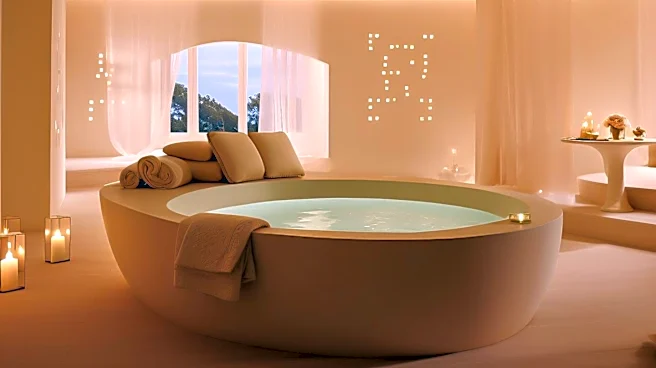
into wellness hubs equipped with features like cold plunges, red-light therapy rooms, and saunas. These amenities, once considered luxury items, are becoming more accessible, with prices for home saunas starting at under $5,000. The trend is not limited to the wealthy; even younger homeowners are investing in these features, as seen with a couple in Austin who converted a patio into a 'wellness hut' for under $8,000. Real estate listings on platforms like Zillow have seen a rise in mentions of 'wellness' and 'spa-inspired' features, reflecting growing consumer interest.
Why It's Important?
This shift towards wellness-oriented home features signifies a broader cultural emphasis on health and longevity. As more people prioritize personal well-being, the demand for homes with these amenities is likely to increase, potentially influencing property values and market trends. For real estate developers and agents, this presents an opportunity to cater to a health-conscious clientele by incorporating wellness features into new developments. The trend also highlights a societal move towards integrating health and wellness into daily life, reducing the need for external facilities and promoting a holistic lifestyle. This could lead to a reevaluation of what constitutes desirable home features, impacting future real estate designs and offerings.
What's Next?
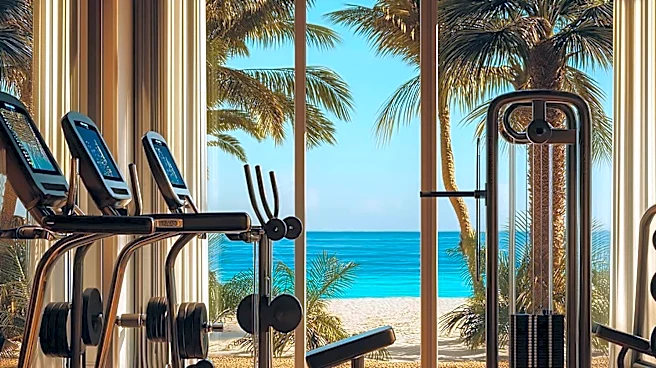
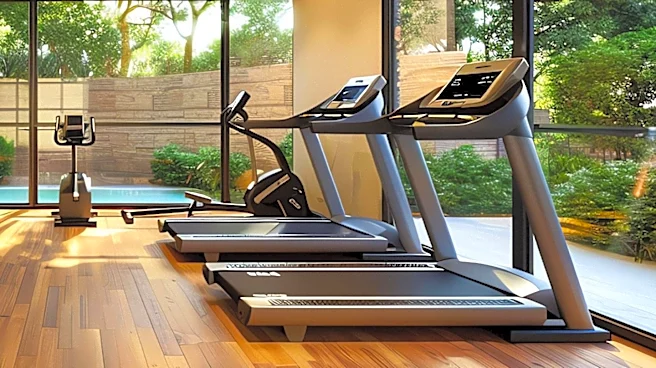
As the wellness trend continues to grow, real estate developers may increasingly focus on creating communities and homes that prioritize health and longevity. This could involve the inclusion of more comprehensive wellness amenities in residential developments, such as full-service spas, fitness centers, and personalized health assessments. Additionally, as consumer interest in these features rises, real estate agents may need to adapt their marketing strategies to highlight wellness-oriented amenities. The trend could also spur innovation in home design, with architects and builders exploring new ways to integrate wellness features into smaller living spaces, catering to the needs of a diverse range of homeowners.