



What's Happening?
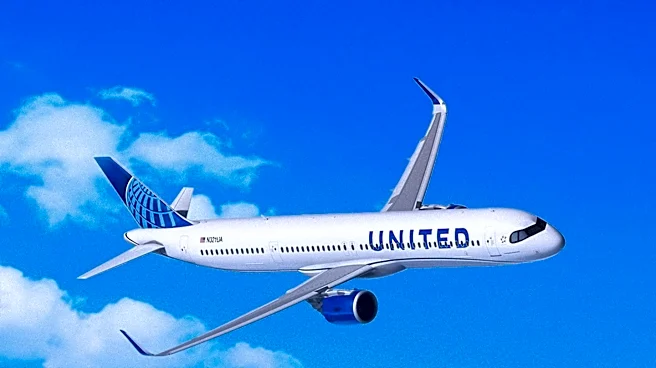
United Airlines has issued a stern warning to its approximately 28,000 flight attendants, threatening termination for those who engage in 'conflict trading.' This practice involves flight attendants intentionally picking up trips they know they cannot
work due to existing rolling delays, thereby triggering contractual pay protection without performing the actual work. The airline describes this as 'impermissible and fraudulent,' undermining the fairness of its internal trip trading system. Flight attendants leverage information about delays before it's updated in the system, allowing them to swap into trips that will later conflict with mandatory rest periods. Once the system updates, they are removed from the new trip but still receive pay, effectively gaining an extra paid day off. United's internal memo explicitly states that using such information for financial benefit constitutes an 'impermissible trade practice' and warns that violating this principle can lead to disciplinary action or termination, citing previous arbitration cases that affirm the airline's stance.
Why It's Important?
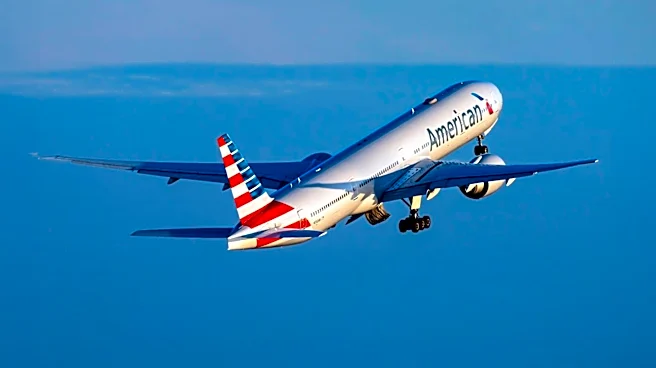
This development highlights a significant internal conflict between United Airlines and some of its flight attendants regarding compensation and work ethics. The airline's move to crack down on 'conflict trading' underscores its efforts to control operational costs and maintain the integrity of its scheduling and pay systems. If successful, this could lead to a reduction in unexpected labor costs associated with these pay protection loopholes. For flight attendants, the threat of termination could create a more stringent work environment, potentially impacting morale and their ability to manage schedules flexibly. The situation also brings to light the complexities of collective bargaining agreements, where rules designed to protect employees can sometimes be exploited. The outcome of United's enforcement could set a precedent for how other major U.S. airlines address similar issues, as American Airlines has also faced challenges with comparable practices.
What's Next?
United Airlines is expected to implement stricter monitoring of its trip trading system and flight attendant scheduling to identify and penalize instances of 'conflict trading.' The airline's internal software, which already detects 'suspicious' trading activity, may be further refined to specifically target these types of manipulations. Flight attendants found engaging in such practices will likely face disciplinary actions, ranging from warnings to termination, as outlined in the memo. This could lead to grievances filed by the Association of Flight Attendants (AFA-CWA) if members believe the airline's enforcement oversteps contractual agreements or is unfairly applied. The situation may also prompt further negotiations or clarifications within future collective bargaining agreements to explicitly address these types of trading practices and their consequences, potentially leading to a more defined framework for trip trading and pay protection.
Beyond the Headlines
The issue of 'conflict trading' extends beyond mere financial implications, touching upon ethical considerations within the workplace and the balance between employee benefits and corporate accountability. The practice highlights a potential disconnect between the spirit and the letter of contractual agreements, where rules intended for employee welfare can be reinterpreted for personal gain. This situation also reflects the broader challenge faced by large organizations in managing complex internal systems and preventing their misuse. The airline's reliance on arbitration cases to justify disciplinary action suggests a legal battleground where the interpretation of labor contracts is crucial. Furthermore, the existence of 'secret vocabularies' among flight attendants to facilitate unauthorized transactions, such as selling trips for cash, points to an underlying subculture that challenges official company policies, indicating a deeper need for trust-building and clear communication between management and employees.