



What's Happening?
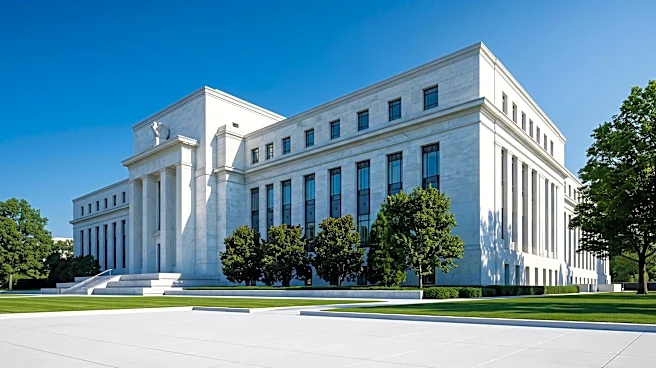
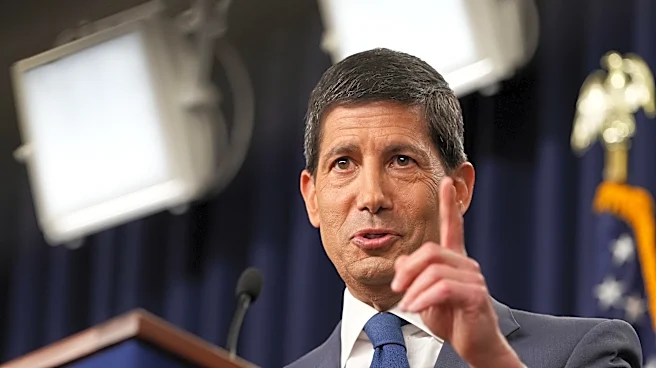
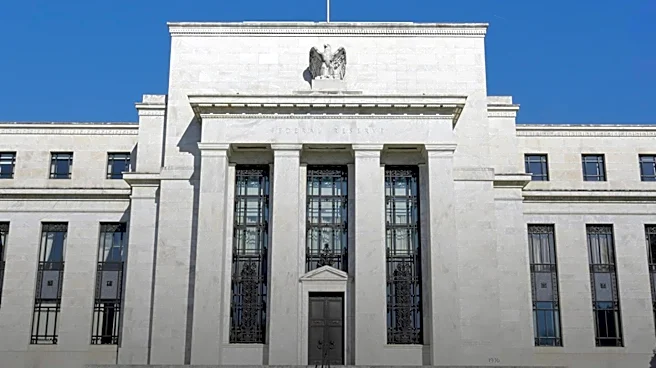
Following Fed Chair Warsh's speech at the Jackson Hole symposium, financial markets have significantly adjusted their expectations for future interest rate hikes. Warsh emphasized that inflation remains insufficiently contained and reaffirmed the Federal
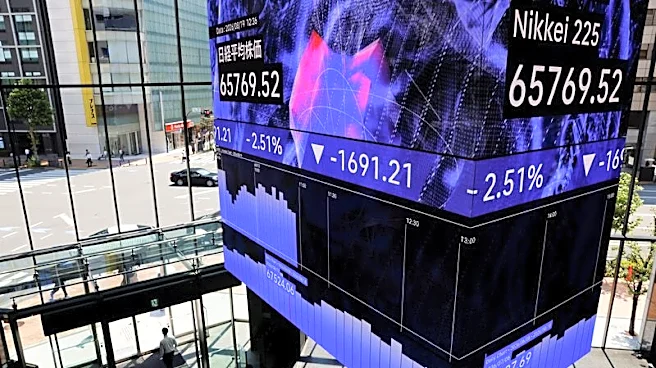
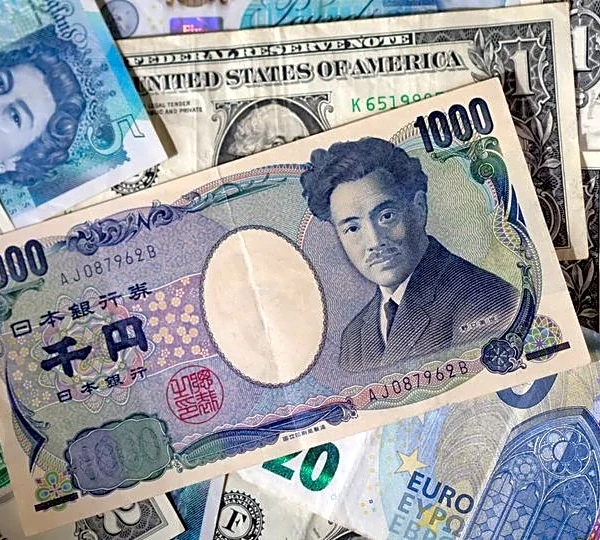
Reserve's commitment to its 2% inflation target. He also stated that current financial conditions are not restrictive enough and that recent improvements in inflation data do not yet signal a meaningful improvement in underlying price trends. This hawkish message has led markets to assign a 58% probability to a September rate hike, with expectations for approximately 1.5 hikes by the end of the year. Consequently, Treasury yields have risen, particularly at the front end, with the 2-year yield increasing by 11 basis points. The dollar has also strengthened, with the DXY gaining 0.5%, as investors reassess the Federal Reserve's future rate path.
Why It's Important?
The Federal Reserve's hawkish stance, as articulated by Chair Warsh, signals a continued commitment to combating inflation, which has significant implications for the U.S. economy and global financial markets. Higher interest rates in the U.S. typically lead to increased borrowing costs for consumers and businesses, potentially slowing economic growth. The rise in Treasury yields makes U.S. government debt more attractive, drawing capital away from other investments and strengthening the dollar. This can impact U.S. exports by making them more expensive and can also affect corporate earnings for multinational companies. For investors, the increased probability of rate hikes introduces greater uncertainty and volatility in equity and bond markets, as they adjust portfolios to account for a higher-for-longer interest rate environment. The Fed's actions are crucial in managing inflation expectations and maintaining price stability, which are foundational to long-term economic health.
What's Next?
The immediate next step for markets will be to closely monitor upcoming inflation data and Federal Reserve communications leading up to the next Federal Open Market Committee (FOMC) meeting. With a 58% probability of a September rate hike, market participants will be looking for further signals that could either solidify or diminish this expectation. Any deviation from the Federal Reserve's hawkish tone or unexpected shifts in economic indicators could trigger significant market reactions. Businesses and consumers should anticipate potentially higher borrowing costs in the near term, which could influence investment decisions and spending habits. Regional currencies, particularly in Asia, may continue to face pressure against a stronger dollar, prompting central banks in those regions to consider their own policy responses to maintain stability.
Beyond the Headlines
The Federal Reserve's persistent focus on its 2% inflation target, even in the face of some improving data, highlights a broader strategic commitment to anchoring inflation expectations. This approach suggests that the Fed is prioritizing long-term price stability over short-term economic growth concerns, indicating a potential shift in its reaction function to economic data. The emphasis on 'sufficiently contained' inflation rather than just 'declining' inflation implies a higher bar for pausing or reversing monetary tightening. This could lead to a prolonged period of higher interest rates, potentially reshaping investment strategies, corporate financing, and consumer behavior for an extended duration. The Fed's communication strategy, particularly its emphasis on financial conditions not being restrictive enough, also suggests a proactive stance to prevent premature easing of financial conditions that could reignite inflationary pressures.