
What's Happening?
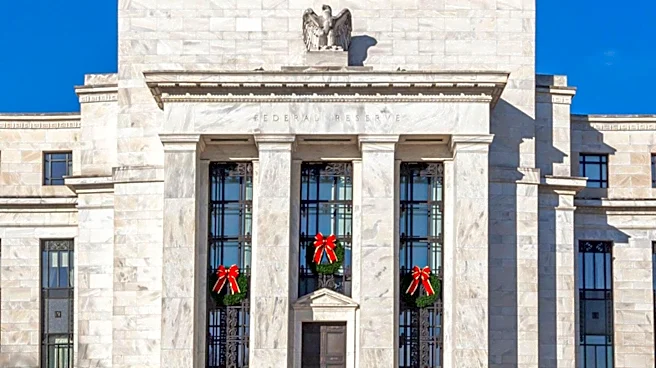
The US Federal Reserve has decided to keep interest rates steady at 3.50-3.75%, despite three policymakers advocating for a rate hike. This decision comes amid ongoing concerns about elevated inflation
and economic activity. The Fed's choice reflects a cautious approach, balancing the need to control inflation with the desire to support economic growth. The dissenting votes highlight differing views within the Fed on how best to address inflationary pressures, which have been exacerbated by geopolitical tensions and rising energy prices.
Why It's Important?
The Fed's decision to hold interest rates steady is significant for the U.S. economy, as it impacts borrowing costs for consumers and businesses. By maintaining current rates, the Fed aims to support economic growth while monitoring inflation trends. However, the dissenting votes indicate a potential shift in future policy if inflation continues to rise. This decision also affects financial markets, as investors adjust their expectations for future rate changes and economic conditions.
What's Next?
The Federal Reserve will continue to monitor economic indicators closely, with the possibility of adjusting rates in future meetings if inflationary pressures persist. The ongoing geopolitical tensions, particularly in the Middle East, could further influence energy prices and inflation, prompting the Fed to reconsider its stance. Market participants will be watching for any signals from the Fed regarding potential rate hikes in the coming months.