



What's Happening?
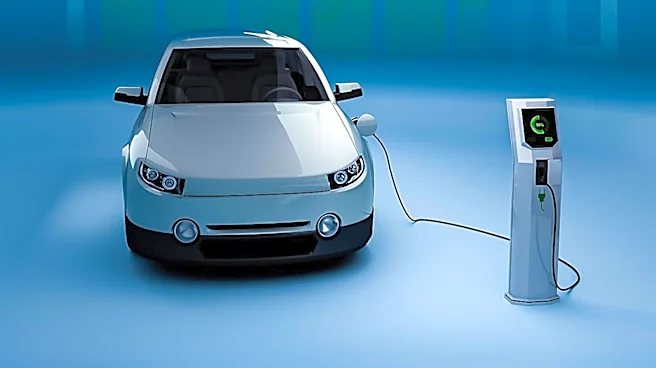
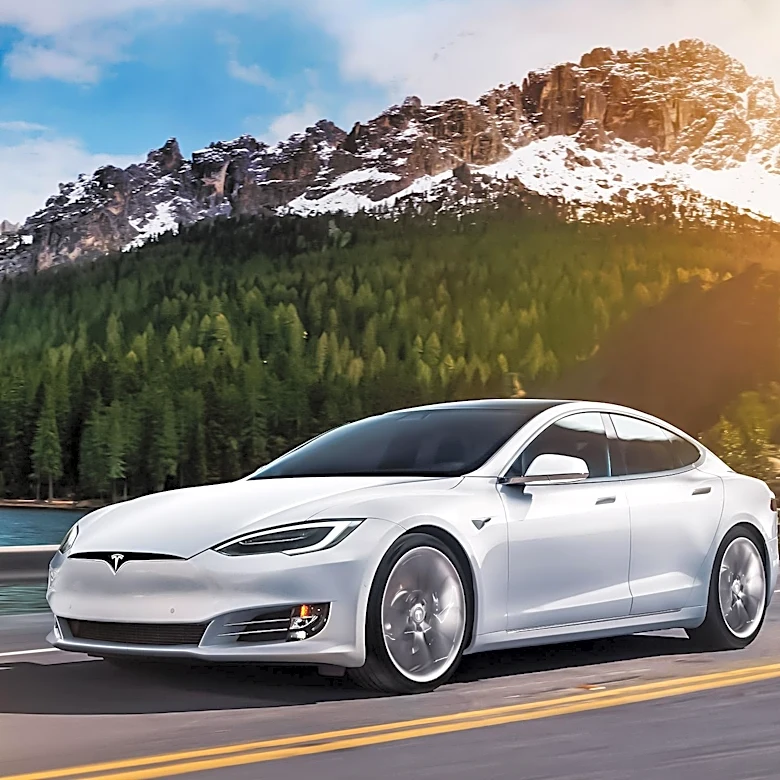
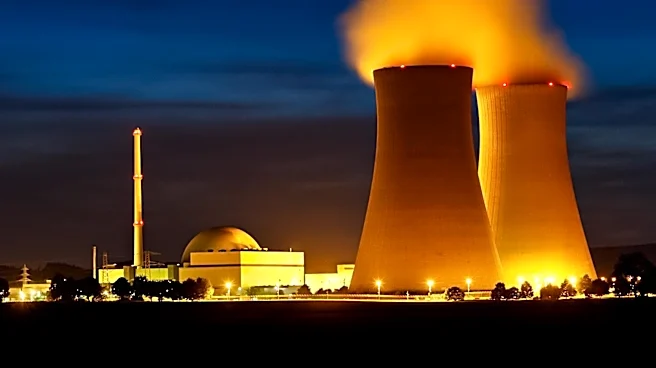
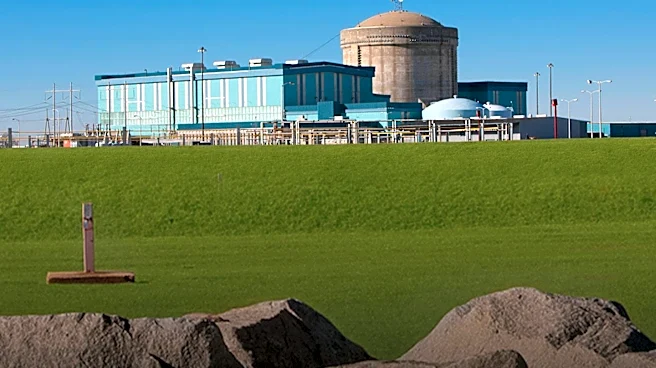
TerraPower, a company founded by Bill Gates, has received approval from the U.S. Nuclear Regulatory Commission to construct a new type of nuclear reactor in Kemmerer, Wyoming. This reactor, named Natrium, is designed to address the challenges of electric
vehicle (EV) charging by providing a stable and expandable energy source. Unlike traditional reactors, Natrium uses molten salt for thermal storage, allowing it to adjust its output to meet peak demand times, such as when many EVs are charging simultaneously. The project, supported by the U.S. Department of Energy, aims to be operational by 2030 and has already attracted interest from major tech companies like Meta, which plans to use the reactors to power data centers.
Why It's Important?
The development of the Natrium reactor represents a significant advancement in addressing the energy demands of the growing electric vehicle market. As more EVs hit the road, the strain on the electrical grid increases, particularly during peak charging times. By providing a reliable and flexible energy source, Natrium could alleviate these pressures, supporting the transition to renewable energy and reducing carbon emissions. This project also highlights the potential for nuclear energy to play a crucial role in sustainable energy solutions, offering a stable alternative to intermittent renewable sources like solar and wind.
What's Next?
With construction underway, TerraPower aims to complete the Natrium reactor by 2030. The success of this project could lead to the deployment of similar reactors across the U.S., potentially transforming the energy landscape. Stakeholders, including government agencies and private companies, will likely monitor the project's progress closely. If successful, it could pave the way for broader acceptance and integration of advanced nuclear technologies in the energy sector.