
What's Happening?
The spiritual meaning attributed to finding a dead frog is highly diverse, ranging from a bad omen in older European folklore to a symbol of renewal and transformation in modern interpretations. Historically,
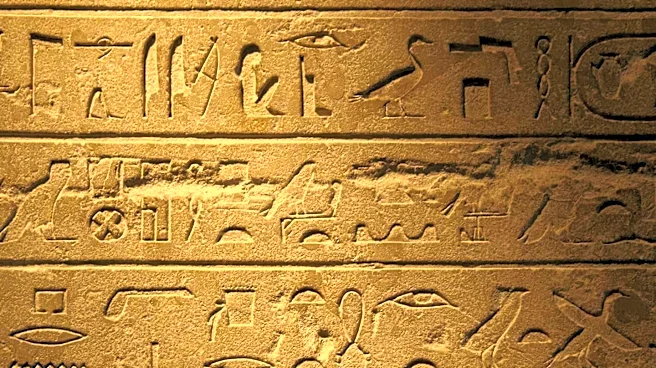
frogs and toads were often associated with witchcraft, poison, and misfortune in medieval Europe. In contrast, ancient Greek and Roman cultures viewed frogs more playfully, linking them to fables, comedy, and seasonal events like rain and harvests. Ancient Egypt connected frogs to fertility and rebirth through the goddess Heqet, who was depicted with a frog's head. Native American symbolism often relates frogs to rain and cleansing, while Chinese culture views the three-legged money frog as a symbol of wealth, making a dead frog potentially signify blocked luck. The biblical meaning, particularly from Exodus, portrays frogs as a plague, symbolizing impurity or chaos, though modern Christian interpretations often lean towards renewal after hardship. The interpretation largely depends on cultural context and personal belief systems.
Why It's Important?
The varied interpretations of a seemingly simple event like finding a dead frog highlight the profound influence of cultural and historical contexts on human perception and belief systems. This divergence underscores how different societies construct meaning, impacting individual and collective responses to natural occurrences. For individuals, understanding these diverse perspectives can offer comfort or guidance, transforming a potentially unsettling discovery into an opportunity for reflection on personal change or environmental awareness. From a broader societal standpoint, the shift from ancient fears to modern interpretations of renewal reflects evolving human relationships with nature and spirituality. The scientific explanation, noting frogs' sensitivity to environmental pollutants, adds another layer of importance, suggesting that a dead frog can be a literal warning sign of ecological distress, thus bridging spiritual and scientific concerns about environmental health.
What's Next?
Individuals encountering a dead frog are encouraged to consider both practical and spiritual responses. Practically, it's advised to remove the frog respectfully, check for potential environmental causes like pesticides or chlorine, and address any identified issues to prevent future occurrences. Spiritually, the event can serve as an invitation for introspection, prompting individuals to reflect on endings, emotional release, or areas in their lives that require transformation or closure. Journaling about the moment and connecting it to current life events can help in processing its personal significance. The emphasis is on viewing the event as a prompt for attention and growth rather than a harbinger of doom, aligning with modern interpretations that favor renewal over negative omens. This approach encourages a mindful engagement with both one's inner state and the surrounding environment.
Beyond the Headlines
The phenomenon of interpreting a dead frog extends beyond mere superstition, touching upon deeper ethical and cultural dimensions. The historical association of toads with witchcraft and evil in medieval Europe, for instance, reveals how certain animals became scapegoats for societal anxieties and fears, influencing cultural narratives for centuries. The modern shift towards viewing a dead frog as a symbol of renewal or a call for environmental awareness reflects a changing human consciousness, moving from fear-based interpretations to more constructive and ecologically minded perspectives. This evolution highlights the dynamic nature of symbolism and its capacity to adapt to contemporary concerns, such as climate change and environmental degradation. The scientific understanding of frogs as bio-indicators further enriches this symbolism, transforming a spiritual omen into a tangible warning about ecosystem health, thereby fostering a more integrated understanding of our interconnectedness with the natural world.