






What's Happening?
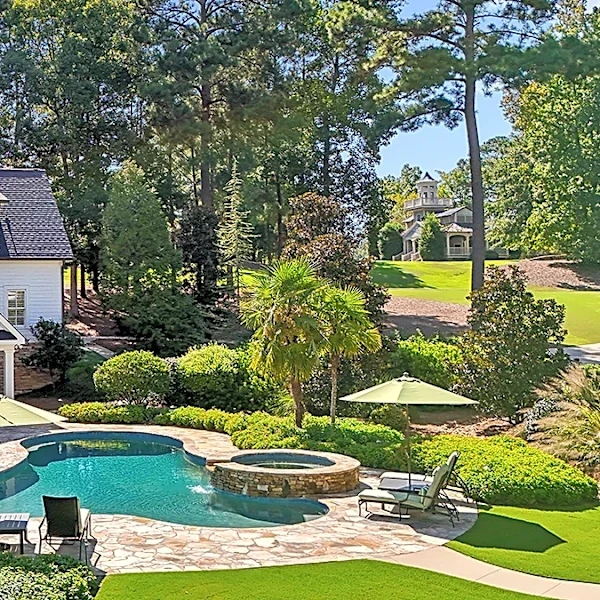
Mission Pools, a company specializing in pool landscaping, suggests integrating edible plants into garden spaces around pools in San Diego. This recommendation is part of a broader guide on designing intricate garden spaces that enhance both the aesthetic
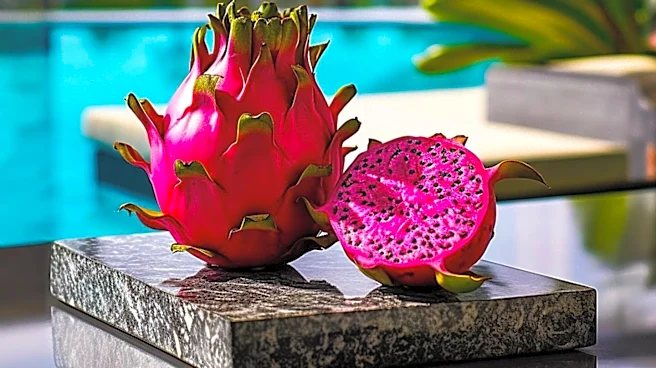
appeal and functionality of outdoor living areas. The company highlights that incorporating herbs and vegetables alongside ornamental plants can create a beautiful and functional garden. This approach aligns with San Diego's mild climate, which supports year-round outdoor living. Mission Pools emphasizes selecting drought-resistant plants suitable for the region, such as California poppies and succulents, to ensure minimal maintenance and water efficiency. The guide also covers aspects like assessing space, choosing design styles, and grouping plants by water needs.
Why It's Important?
This recommendation from Mission Pools is significant for San Diego homeowners looking to maximize the utility and beauty of their outdoor spaces. By promoting edible plants in poolside gardens, the company encourages a more sustainable and self-sufficient lifestyle, allowing residents to grow their own herbs and vegetables. This not only provides fresh produce but also adds a unique sensory dimension to the garden. Furthermore, the emphasis on drought-resistant and native plants is crucial for water conservation in a region prone to water scarcity, aligning with broader environmental goals. The integration of functional and aesthetic elements can increase property value and create a more enjoyable microclimate around pools, enhancing the overall quality of life for residents.
What's Next?
Homeowners in San Diego are likely to consider these recommendations when planning or renovating their poolside gardens, potentially leading to an increase in the adoption of edible landscaping. Mission Pools may continue to offer design consultations and services that specifically incorporate edible plant elements, further popularizing this trend. The broader landscaping industry in San Diego might also see a shift towards more functional and sustainable garden designs, with a greater focus on drought-tolerant and edible species. This could lead to more educational resources and workshops becoming available to help residents implement these gardening practices effectively, fostering a more environmentally conscious approach to outdoor design.
Beyond the Headlines
Beyond the immediate benefits of fresh produce and aesthetic appeal, the integration of edible plants in poolside gardens reflects a growing societal interest in connecting with nature and understanding food sources. This trend moves beyond purely decorative landscaping to a more purposeful and interactive outdoor environment. It also subtly promotes a healthier lifestyle by encouraging the consumption of home-grown produce. Ethically, it aligns with principles of sustainability and responsible land use, particularly in regions with environmental challenges like water conservation. Culturally, it can foster a sense of community and shared knowledge as neighbors exchange gardening tips and produce, transforming private spaces into extensions of a broader ecological and social consciousness.