






What's Happening?
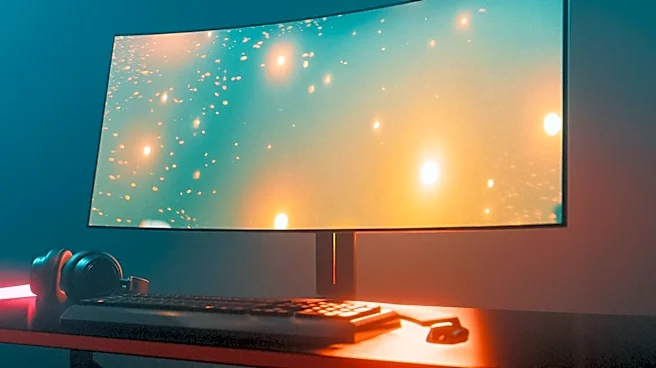
Curved gaming monitors have found significant success in the market, contrasting sharply with the failure of curved televisions. The primary reason for this divergence lies in the viewing experience. Curved LCD TVs, unless exceptionally large and viewed
from a precise central 'sweet spot,' failed to deliver the immersive experience they promised. Viewers sitting off-center from a curved TV would experience a loss of contrast and color saturation, making content difficult to discern. This issue was particularly pronounced with LCD technology, though curved OLED TVs, while more expensive, did not suffer from the same 'sweet spot' problem. In contrast, curved gaming monitors are typically used by a single viewer sitting close to the screen, making the central sweet spot a benefit rather than a drawback. This proximity and individual use case allow curved monitors to genuinely enhance immersion, especially for ultrawide displays and simulation games like Gran Turismo or Flight Simulator.
Why It's Important?
The success of curved gaming monitors highlights a significant trend in consumer electronics, where product design must align with specific user behaviors and technological capabilities. For the gaming industry, this means continued innovation in display technology that caters to the immersive demands of gamers. The functional advantage of curved monitors, which place more of the screen within a user's direct view without requiring neck movement, is crucial for competitive gaming, particularly in fast-paced online shooters where split-second reactions are vital. This distinction also underscores the importance of ergonomic design in technology, as it directly impacts user comfort and performance. The failure of curved TVs, on the other hand, serves as a cautionary tale for manufacturers, emphasizing that broad consumer appeal requires more than just novel features; it demands practical benefits that are accessible to all users, regardless of their viewing position or setup.
What's Next?
The continued success of curved gaming monitors is likely to drive further innovation in display technology, particularly in the ultrawide and high-refresh-rate segments. Manufacturers will probably invest more in developing monitors with even more aggressive curves and larger sizes, specifically targeting simulation and immersive gaming experiences. We can expect to see advancements in panel technology that further enhance visual fidelity and reduce response times, catering to the demands of professional gamers and enthusiasts. Additionally, the lessons learned from the curved TV market may influence future product development, encouraging a more user-centric approach to design. This could lead to a greater focus on niche markets where specific features, like a curved display, offer a clear and demonstrable advantage, rather than attempting to force a technology onto a broad consumer base where its benefits are less apparent.
Beyond the Headlines
The contrasting fates of curved TVs and curved gaming monitors reveal deeper insights into the psychology of immersion and the evolution of digital entertainment. The desire for immersion, often associated with cinematic experiences, translates differently to individual, interactive gaming. For a single user, a curved monitor creates a personal 'cockpit' effect, enhancing focus and reducing peripheral distractions. This personalized immersion is a key differentiator from the communal viewing experience of a television. Furthermore, the ergonomic benefits of curved monitors for ultrawide displays, by reducing eye and neck strain, point to a growing awareness of health and comfort in prolonged digital interactions. This trend suggests that future technological advancements will increasingly prioritize not just visual spectacle, but also the physical well-being and cognitive engagement of the user, especially as digital environments become more integral to daily life and work.