






What's Happening?
The Arizona Corporation Commission (ACC) has approved the Salt River Project's (SRP) proposed Marigold gas plant in Pinal County and a rate increase for Tucson Electric Power (TEP). TEP's rate hike, a 10% surge, will be reflected in utility bills starting
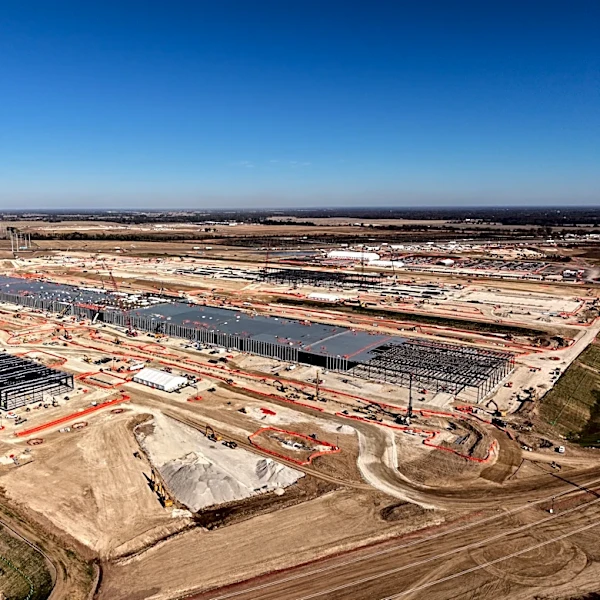
in December, though the utility initially sought a 14% increase. The ACC also approved TEP's 'formula rates,' which allow the utility to implement annual rate increases without public rate cases and with limited oversight. Commissioner Lea Márquez-Peterson filed an amendment to deny this formula rate mechanism. The SRP's 675-megawatt gas plant, part of the larger Marigold Energy Center, is criticized for exposing customers to volatile fuel prices and worsening air quality in a county that already fails to meet federal air quality standards. The Commission approved the plant's Certificate of Environmental Compatibility without public comment. The Sierra Club criticized these decisions, stating they prioritize utility profits over community interests, leading to rising energy costs and environmental concerns for Arizonans.
Why It's Important?
These decisions by the Arizona Corporation Commission have significant implications for Arizona residents and the state's energy future. The approval of TEP's 10% rate increase, coupled with the 'formula rates' mechanism, means that consumers will face higher electricity bills with reduced opportunities for public input on future increases. This could disproportionately affect low-income households and small businesses, increasing their financial burden. The approval of the Marigold gas plant, despite concerns about volatile fuel prices and air quality, signals a continued reliance on fossil fuels, potentially hindering the state's transition to cleaner energy sources. This move could also exacerbate public health issues in Pinal County due to degraded air quality. The Sierra Club's criticism highlights a broader concern about regulatory bodies prioritizing utility profits over consumer welfare and environmental protection, setting a precedent that could influence energy policy and consumer advocacy efforts in other states.
What's Next?
Tucson Electric Power customers will see the approved 10% rate increase reflected in their utility bills starting in December. The implementation of TEP's 'formula rates' means that annual rate adjustments could occur with minimal public involvement, potentially leading to further increases in the future. Environmental and consumer advocacy groups, such as the Sierra Club, are likely to continue their opposition to these types of approvals, potentially pursuing legal challenges or advocating for legislative changes to increase regulatory oversight and public participation in energy decisions. The ongoing operation of the Marigold gas plant will likely be monitored for its environmental impact and its contribution to air quality issues in Pinal County. These developments could also influence future energy infrastructure projects and regulatory decisions across Arizona, as stakeholders assess the long-term economic and environmental consequences.
Beyond the Headlines
The ACC's decisions underscore a tension between utility profitability, energy reliability, and environmental sustainability. The approval of 'formula rates' for TEP raises questions about transparency and democratic accountability in utility regulation, potentially eroding public trust in the process. This mechanism could set a precedent for other utilities seeking to bypass traditional rate case proceedings, leading to a less accountable system nationwide. Furthermore, the continued investment in gas-fired power plants, despite growing concerns about climate change and air pollution, highlights the challenges in transitioning to renewable energy. This approach could lock in fossil fuel infrastructure for decades, making it harder to meet future emissions reduction targets and potentially exposing the state to greater risks from climate-related events. The broader implication is a potential shift in the balance of power towards utilities, with less recourse for consumers and environmental advocates.