







What's Happening?
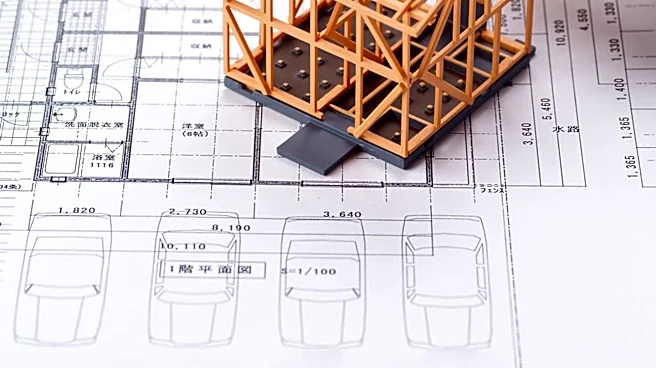
Architectural services are fundamental for developing, documenting, and communicating building designs, encompassing architectural drawings, Building Information Modeling (BIM), 3D modeling, design documentation, and visualization. These services are vital
for architects, contractors, developers, and other Architecture, Engineering, and Construction (AEC) professionals during the planning and design phases of projects. Firms like BIM Home Studio integrate architectural knowledge with BIM and CAD workflows to create structured project information, supporting a wide range of projects including residential, commercial, hospitality, healthcare, retail, and industrial sectors. These services ensure clear drawings, coordinated models, and reliable design information from the initial planning stages, helping manage project information with greater accuracy. The demand for these services extends across various regions, including the USA, UK, Canada, Dubai, and the Netherlands, indicating a global need for scalable architectural support for both individual projects and ongoing design workflows.
Why It's Important?
The accuracy and efficiency provided by comprehensive architectural services are critical for the U.S. construction and development industries. By ensuring precise drawings, coordinated models, and reliable design information from the outset, these services mitigate costly errors, delays, and rework during construction. This directly impacts project budgets and timelines, which are significant concerns for developers and contractors. The use of advanced tools like BIM and CAD workflows enhances collaboration among various stakeholders—architects, engineers, and contractors—leading to better project outcomes. For the U.S. economy, efficient project delivery translates into faster completion of infrastructure, commercial buildings, and housing, supporting economic growth and job creation. Furthermore, the ability to scale architectural support for diverse projects, from residential to industrial, ensures that the industry can meet evolving demands and maintain high standards of quality and safety in construction.
What's Next?
The continued integration of advanced technologies such as BIM and 3D modeling is expected to further streamline architectural processes, leading to even greater efficiency and accuracy in U.S. building projects. As the construction industry increasingly adopts digital transformation, architectural firms will likely invest more in these technologies and in training their personnel to leverage them effectively. This trend will also drive demand for professionals skilled in these areas. Furthermore, the emphasis on sustainable and resilient building practices will likely influence architectural services, requiring designs that incorporate environmental considerations and adapt to future climate challenges. Regulatory bodies may also introduce new standards that necessitate more detailed and coordinated architectural documentation, pushing firms to enhance their capabilities in design documentation and visualization. The ongoing need for scalable solutions suggests that architectural service providers will continue to expand their capacity to support a diverse portfolio of projects across different sectors.
Beyond the Headlines
Beyond the immediate benefits of project efficiency and accuracy, the evolution of architectural services has deeper implications for urban development and infrastructure in the U.S. The sophisticated modeling and visualization capabilities offered by these services allow for more comprehensive urban planning, enabling stakeholders to foresee the long-term impact of new constructions on communities and the environment. This can lead to more thoughtfully designed cities and neighborhoods that are not only functional but also aesthetically pleasing and sustainable. Ethically, the enhanced transparency and coordination facilitated by these services can reduce disputes and improve accountability among project participants. Culturally, the ability to visualize complex designs in detail can foster greater public engagement in development projects, allowing communities to better understand and contribute to the built environment around them. This shift towards more integrated and transparent design processes could fundamentally reshape how U.S. cities are planned, built, and experienced.