




What's Happening?
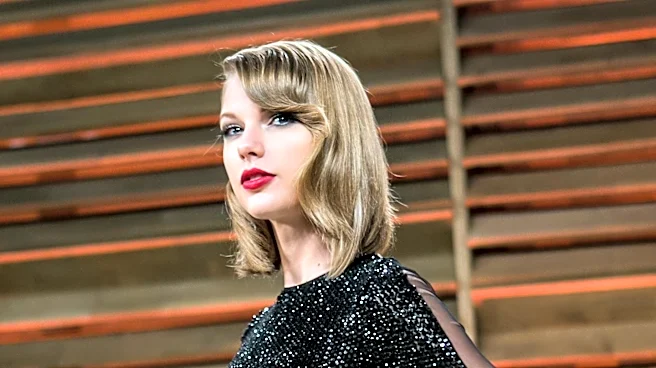
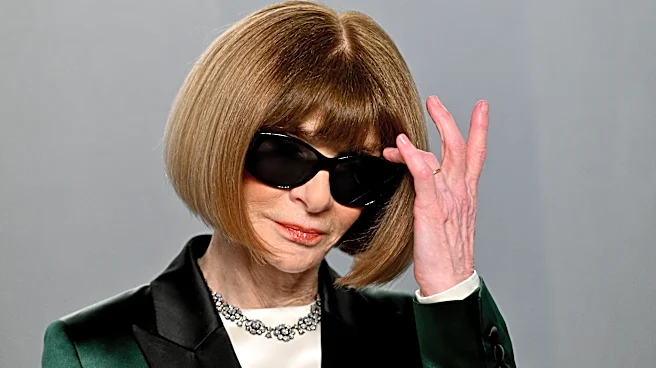
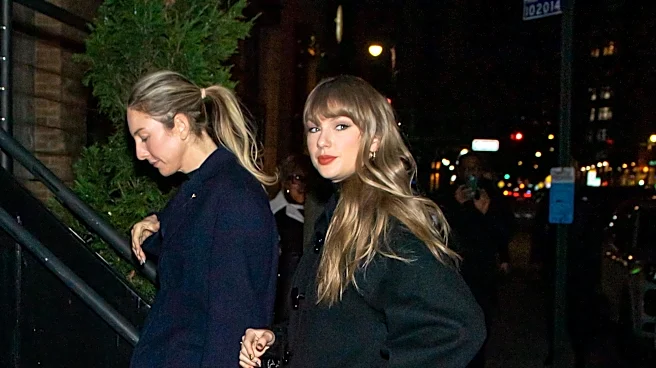
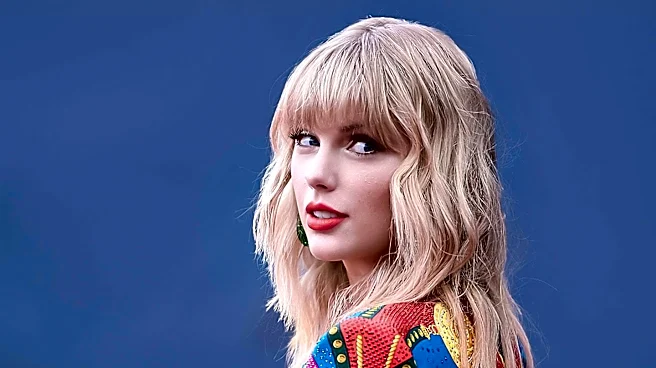
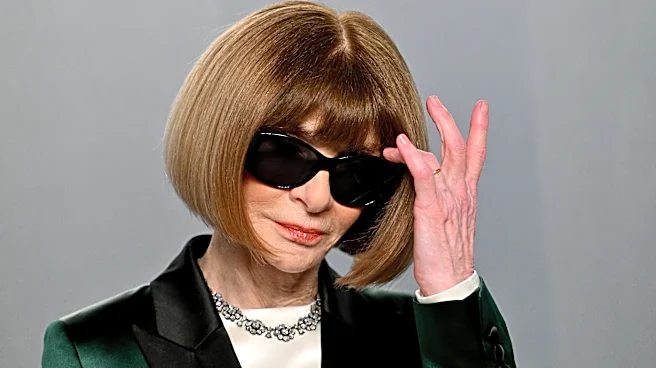
Anna Wintour, editor-in-chief of Vogue, reportedly sought to distance herself and the magazine from a controversial Vanity Fair article investigating Taylor Swift, according to Page Six. The article, which delved into Swift's public image, past relationships,
and alleged bullying, caused internal tension at Condé Nast, the parent company of both Vanity Fair and Vogue. Chloe Malle, who leads American Vogue's editorial operations, was reportedly concerned the publication could harm Vogue's relationship with Swift, potentially impacting future cover features or her attendance at the Met Gala. However, a spokesperson for Wintour and Vogue denied this report, clarifying that Wintour was aware of the article prior to its publication. This internal friction highlights the delicate balance between journalistic inquiry and maintaining relationships with influential figures in the entertainment industry.
Why It's Important?
This situation underscores the significant influence of celebrities like Taylor Swift on major media organizations and the potential for internal conflict when journalistic pursuits clash with business interests. For Condé Nast, a media giant, the perceived risk of alienating a global superstar like Swift, who commands immense public attention and cultural capital, is substantial. The Met Gala, a high-profile event overseen by Wintour, heavily relies on celebrity attendance for its prestige and fundraising success. Any perceived damage to this relationship could impact Vogue's access to top-tier talent and its standing in the fashion and entertainment world. This incident also raises questions about editorial independence within large media conglomerates and the pressures faced by editors when covering powerful public figures.
What's Next?
While a spokesperson for Anna Wintour and Vogue has denied the report of Wintour's desire to distance herself, the initial report from Page Six suggests a potential undercurrent of concern within Condé Nast regarding its relationship with Taylor Swift. Future interactions between Swift and Condé Nast publications, particularly Vogue, will be closely watched for any signs of strain or reconciliation. The incident may prompt internal discussions within Condé Nast about managing high-profile celebrity coverage and balancing editorial freedom with strategic partnerships. The broader entertainment and media industries will likely observe how this situation unfolds, as it could set precedents for how powerful figures are covered by major publications.
Beyond the Headlines
The reported tension at Condé Nast reveals a deeper dynamic within the celebrity-media ecosystem: the increasing power of celebrities to influence editorial decisions and the commercial implications of their relationships with media outlets. The idea that a magazine might fear jeopardizing a celebrity's attendance at an event like the Met Gala due to a critical article highlights the blurred lines between journalism, public relations, and brand management in the modern era. This incident also touches upon the ethical considerations of reporting on public figures, particularly when their personal narratives are intertwined with their commercial success. The perceived need to appease celebrities for access or participation in events can subtly, or overtly, shape journalistic output, raising questions about objectivity and the pursuit of truth in an increasingly celebrity-driven media landscape.