






What's Happening?
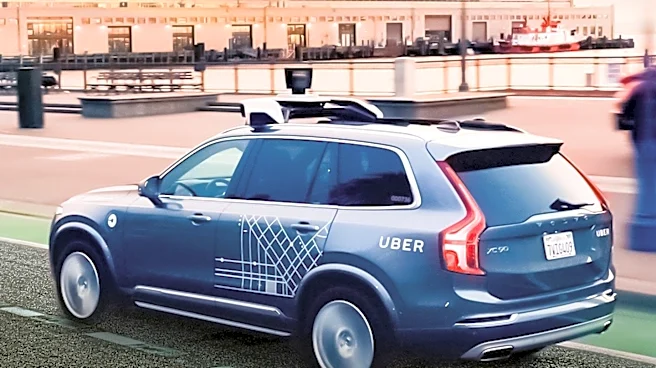
Uber is navigating a complex hiring landscape influenced by advancements in artificial intelligence and changes to the H-1B visa program. The company has filed applications to hire 364 workers through the H-1B visa program in the first half of the 2026
fiscal year, a decrease from 497 applications in the same period the previous year. This reduction reflects a broader trend among tech companies, which are becoming more cautious in their hiring practices as they invest heavily in AI technologies. Uber's hiring strategy includes roles such as software engineers and data scientists, with salaries ranging from $94,331 to $410,000. The company is adapting to the evolving tech landscape by slowing hiring in certain areas and expecting increased productivity from its employees.
Why It's Important?
The changes in Uber's hiring practices highlight significant shifts in the U.S. tech industry, driven by AI advancements and immigration policy changes. The reduction in H-1B visa applications suggests a cautious approach to hiring foreign talent, influenced by increased fees and regulatory changes initiated by the Trump Administration. This trend could impact the availability of skilled tech workers in the U.S., potentially affecting innovation and competitiveness. Companies like Uber are balancing the need for specialized skills with the challenges of a transforming workforce, which could lead to increased reliance on domestic talent and a focus on upskilling current employees.
What's Next?
As Uber continues to adjust its hiring strategies, the company may explore alternative ways to meet its talent needs, such as investing in training programs for existing employees or expanding partnerships with educational institutions. The broader tech industry might also advocate for policy changes to facilitate the hiring of foreign workers, emphasizing the importance of diverse talent in driving innovation. Additionally, the focus on AI could lead to further automation of certain roles, prompting discussions about the future of work and the skills required in an AI-driven economy.