


What's Happening?
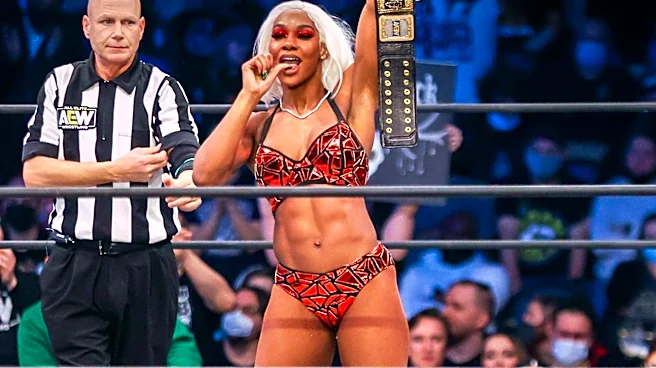
All Elite Wrestling (AEW) and World Wrestling Entertainment (WWE) have issued internal reactions following their head-to-head viewership competition on a recent Tuesday. According to Fightful Select, AEW expressed satisfaction with an increase in their viewership compared
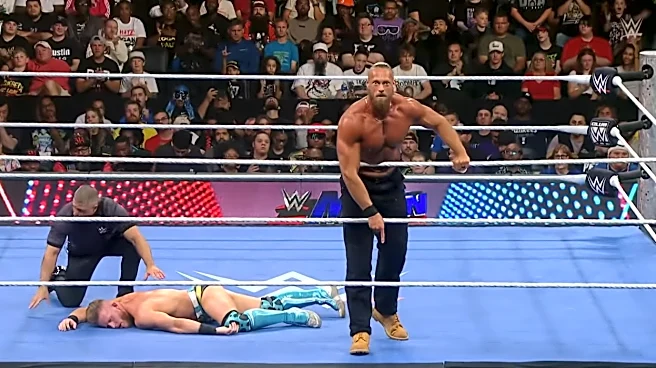
to the previous year's pre-emption. This indicates a positive outlook from AEW regarding their performance despite direct competition. On the other hand, WWE was reportedly pleased with NXT's victory in head-to-head viewership on television, with the company internally touting this win. This annual head-to-head scheduling occurs due to the Major League Baseball (MLB) playoffs, which often cause programming conflicts for wrestling shows. Both promotions appear to have found aspects of the ratings to celebrate, reflecting their respective goals and competitive strategies in the professional wrestling landscape. The full details of these ratings are available to subscribers of Fightful Select, providing a deeper dive into the specific numbers and demographics that influenced these internal reactions.
Why It's Important?
The internal reactions from AEW and WWE to their head-to-head ratings are significant as they offer insight into the competitive dynamics of the professional wrestling industry. WWE's emphasis on NXT winning the viewership battle highlights its focus on brand dominance and the performance of its developmental brand against direct competition. This could influence future programming decisions and marketing strategies for NXT, potentially leading to increased investment or strategic scheduling to maintain or grow its audience. AEW's satisfaction with increased viewership despite the competition suggests a focus on consistent growth and audience retention, even when facing a major competitor. This indicates that AEW is building a loyal fanbase and is encouraged by its year-over-year progress. The annual nature of these head-to-head matchups due to MLB playoffs creates a recurring benchmark for both companies, allowing them to assess their competitive standing and adjust their content and promotional efforts accordingly. These internal assessments can shape long-term strategies for talent development, storyline planning, and broadcast partnerships, ultimately impacting the broader wrestling entertainment market.
What's Next?
The internal reactions from AEW and WWE are likely to influence their strategic planning for future programming and competitive encounters. WWE, having touted NXT's viewership victory, may continue to invest in NXT's talent and production value to solidify its position as a strong brand capable of competing directly with AEW. This could manifest in more high-profile matches, special events, or increased promotional efforts for NXT. AEW, encouraged by its year-over-year viewership increase, will likely focus on maintaining its growth trajectory by delivering compelling storylines and matches that resonate with its audience. This might involve further developing its roster, experimenting with new match formats, or expanding its global reach. As the annual head-to-head clashes due to MLB playoffs are a recurring event, both companies will likely analyze these results to refine their counter-programming strategies for future instances. This ongoing competition is expected to drive innovation and quality in professional wrestling, as each promotion strives to capture and retain viewership in a competitive market. The detailed ratings, once fully analyzed, will provide valuable data for both companies to fine-tune their approaches.
Beyond the Headlines
Beyond the immediate viewership numbers, the internal reactions from AEW and WWE reflect a deeper strategic battle for market share and cultural influence in professional wrestling. WWE's emphasis on NXT's win underscores its long-standing dominance and its intent to maintain a hierarchical structure within the industry, even as new competitors emerge. This could signal a more aggressive stance in leveraging its established brand power. AEW's contentment with growth, even without a direct win, highlights its strategy of building a sustainable alternative product that appeals to a distinct segment of the wrestling audience. This approach suggests a focus on organic growth and cultivating a loyal fanbase rather than solely aiming for head-to-head victories. The recurring nature of these competitive broadcasts during MLB playoffs also forces both companies to innovate their content and scheduling, potentially leading to more dynamic and engaging programming for fans. This competitive environment can foster creativity and push the boundaries of professional wrestling, benefiting the audience with diverse offerings and higher quality productions. The long-term implications involve how these companies adapt their business models and creative directions in response to sustained competition, shaping the future landscape of professional wrestling entertainment.