

What's Happening?
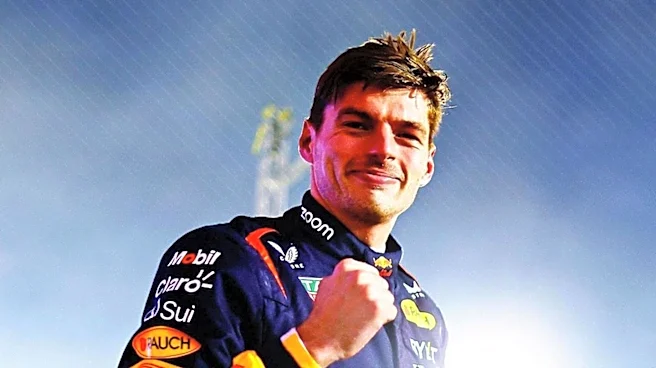
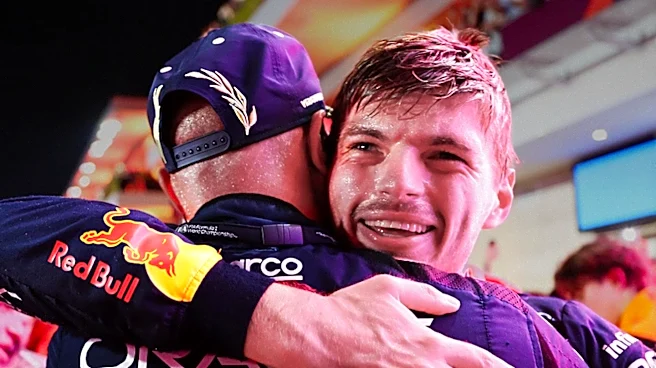
Max Verstappen, the Red Bull driver, has expressed his approval regarding the potential return of V8 engines to Formula 1, a development recently announced by FIA president Mohammed Ben Sulayem. While the exact timing, possibly as early as 2030, and technical
specifications remain unconfirmed, Ben Sulayem reiterated his intentions for V8s to return after an initial social media post was deleted. Verstappen views this as a positive step for the sport, aligning with his long-standing preference for more traditional Formula 1 engine sounds and characteristics. However, Verstappen also outlined his ideal engine regulations, which would involve an even more radical approach, such as removing the turbocharger and minimizing battery usage, though he acknowledges the practical challenges this would present, including increased fuel consumption and noise restrictions on certain tracks. He also stated that he cannot commit to remaining in the sport beyond 2030, despite the potential engine changes.
Why It's Important?
The potential reintroduction of V8 engines represents a significant shift in Formula 1's technical direction, moving away from the current hybrid V6 turbo-charged power units. This change could address long-standing criticisms from fans and drivers, including Verstappen, about the sound and character of modern F1 cars. For the sport, it could reignite interest from a segment of its fanbase that prefers the more traditional, louder engine notes. For manufacturers, it would necessitate a substantial redesign and investment in new engine technologies, potentially altering the competitive landscape. Verstappen's endorsement, as a prominent and successful driver, adds considerable weight to the argument for such a change. His comments also highlight the ongoing dialogue between drivers and governing bodies regarding the future technical regulations of the sport, suggesting that driver feedback is increasingly being considered in shaping Formula 1's evolution.
What's Next?
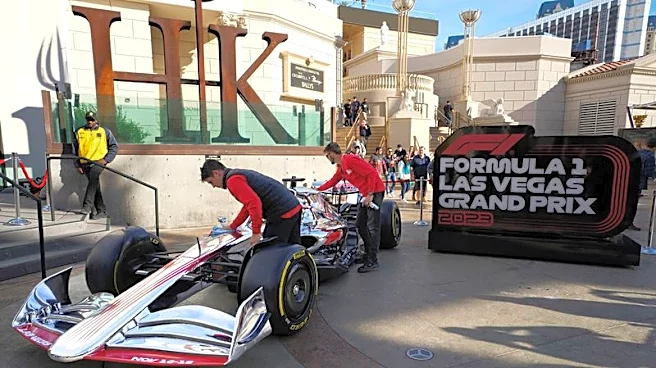
The FIA will likely continue discussions and consultations with Formula 1 teams and engine manufacturers to finalize the technical regulations for the potential return of V8 engines. The exact timeline and implementation details, including the balance between traditional engine architecture and modern sustainability goals, will need to be ironed out. Stakeholders will be closely watching for official confirmations and further details from the FIA regarding the 2030 regulations. Max Verstappen's future beyond 2030 will remain a topic of discussion, as his commitment to the sport appears to be influenced by the direction of its technical evolution. The upcoming Las Vegas Grand Prix will likely see further discussions among drivers and team principals regarding these proposed changes, as the sport continues to evolve its identity.
Beyond the Headlines
The debate over engine regulations in Formula 1 touches upon deeper philosophical questions about the sport's identity and its balance between tradition and innovation. The potential return of V8s signifies a possible pivot towards recapturing a perceived 'golden era' of F1, prioritizing visceral experience and sound over cutting-edge hybrid efficiency. This could have broader implications for motorsport, influencing other racing series to consider similar shifts. However, it also presents a challenge in reconciling this traditional approach with the growing global emphasis on sustainability and electric vehicle technology. The FIA's decision will reflect its vision for Formula 1's role in the automotive world – whether it aims to be a showcase for future road car technology or a distinct, high-performance spectacle. Verstappen's desire for even more radical, less technologically complex engines also highlights a tension between driver preference for raw power and the engineering complexity that defines modern F1.