



What's Happening?
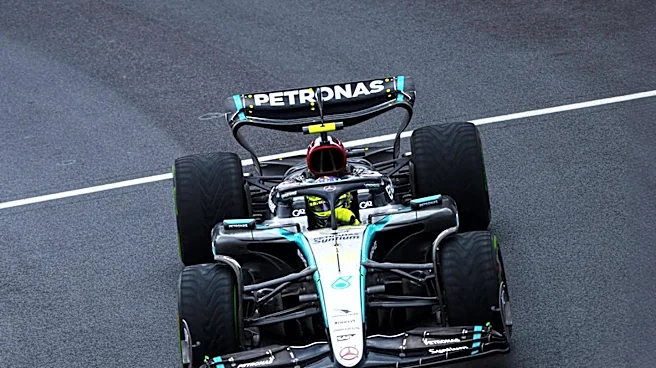
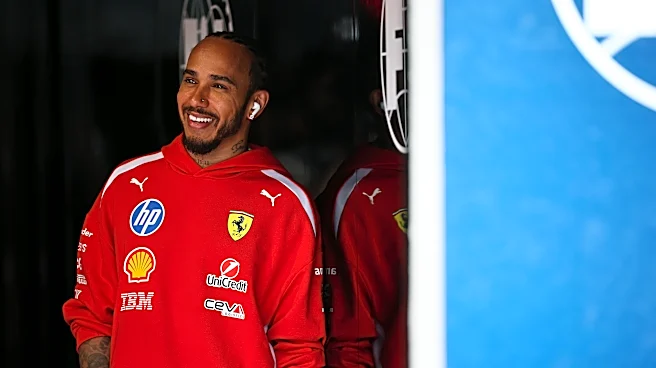
Lewis Hamilton and the Ferrari team have reported "a couple of good findings" during a wet practice session for the upcoming 2026 Formula 1 Las Vegas Grand Prix. Despite challenging weather conditions, which saw a wet track that gradually dried, Hamilton finished
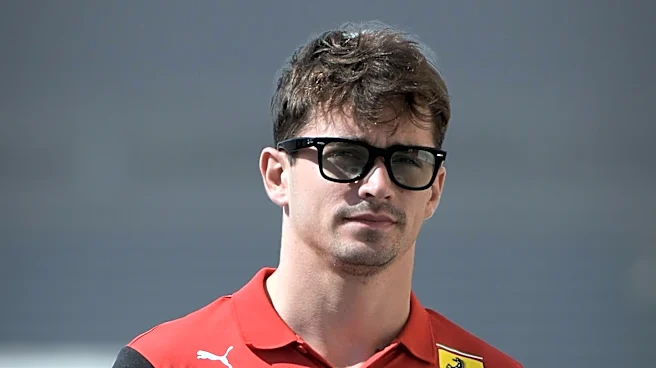
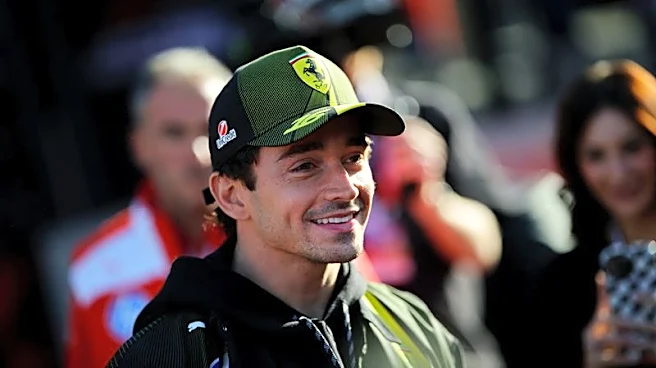
sixth quickest in Free Practice 2. His teammate, Charles Leclerc, placed three spots higher. Hamilton noted that missing the first practice session due to the wet conditions did not significantly hinder their progress, as they were able to gather valuable data transitioning from wet to intermediate tires. Ferrari Deputy Team Principal Jerome d'Ambrosio echoed Hamilton's sentiments, emphasizing the need to condense both race and qualifying simulations into the single remaining hour of practice. The team is preparing for a reset on Friday, as conditions are expected to be dry for FP3 and Qualifying, requiring quick adaptation to slick tires.
Why It's Important?
This development is important for Ferrari and Lewis Hamilton as they prepare for a crucial race in the 2026 Formula 1 season. Gaining insights from adverse weather conditions can provide a competitive edge, allowing the team to better understand their car's performance limits and tire degradation in varied scenarios. The ability to extract meaningful data from a wet track, even when dry conditions are anticipated for the main event, demonstrates a strategic approach to race preparation. For the Las Vegas Grand Prix, a high-profile event in the U.S., optimal performance is key for both driver and constructor. Success in such conditions can influence championship standings and enhance the team's reputation, potentially attracting more sponsorship and fan engagement in the lucrative American market. The condensed practice schedule also highlights the pressure on teams to maximize every minute of track time, making these early findings even more critical.
What's Next?
The immediate next step for Lewis Hamilton and Ferrari will be to adapt quickly to the expected dry conditions for Friday's Free Practice 3 and Qualifying sessions. Hamilton acknowledged the challenge of not having run slick tires yet and the necessity to react swiftly. The team plans to condense both long-run race simulations and short-run qualifying simulations into the single remaining hour of practice. Ferrari Deputy Team Principal Jerome d'Ambrosio indicated that Friday will mark a "reset for everyone," suggesting that the true competitive landscape will emerge then. The focus will be on optimizing car setup and tire strategy to secure the best possible starting position for the Grand Prix. The performance in these upcoming sessions will be crucial in determining their competitiveness for the remainder of the Las Vegas Grand Prix weekend.
Beyond the Headlines
The ability of Formula 1 teams to extract valuable data and make "good findings" even in suboptimal conditions, such as a wet practice session, underscores the sophisticated engineering and analytical capabilities inherent in modern motorsport. This meticulous approach to data collection and adaptation is not just about immediate race performance but also contributes to long-term car development and strategic planning. The emphasis on quickly transitioning from wet to dry setups and maximizing limited track time reflects the intense pressure and rapid decision-making environment of F1. Furthermore, the Las Vegas Grand Prix, as a relatively new and high-profile addition to the F1 calendar in the U.S., places additional scrutiny on team performance. Strong showings by prominent drivers like Lewis Hamilton and iconic teams like Ferrari are vital for solidifying F1's growing presence and appeal within the American sports landscape, influencing viewership, merchandise sales, and future event planning.