


What's Happening?
Rivian has implemented a production change for its R2 SUV, altering the functionality of its ventilated seats. Previously, the cooled seats provided airflow through both the seat bottom and the seatback. However, according to forum reports and a statement
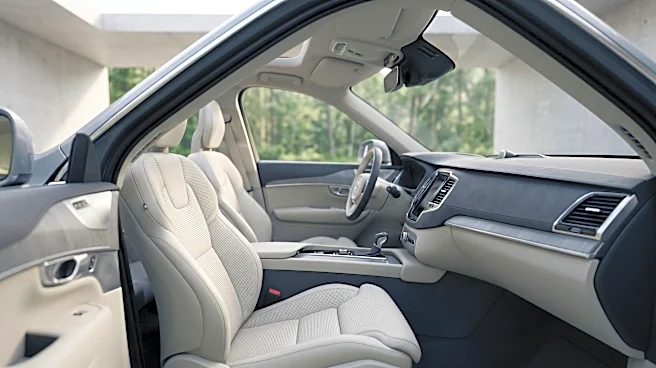
from a Rivian spokesperson to Car and Driver, the updated R2 models will now only push cool air through the seat bottom. This modification was made because the seatback ventilation system generated "excessive cabin noise." The change reportedly affects R2 SUVs starting from approximately VIN 10,000. Rivian clarified that the seat heating functionality remains unchanged and that the ventilated seats are designed to deliver active airflow primarily to the seat cushion, where occupants retain the most heat.
Why It's Important?
This decision by Rivian highlights the complex trade-offs manufacturers face in balancing comfort features with overall vehicle refinement and cost. While ventilated seats are a desirable luxury feature, the compromise on functionality due to noise concerns could impact customer satisfaction and perception of quality. For the U.S. automotive market, this incident underscores the importance of thorough testing and engineering in new vehicle development, especially for electric vehicles where cabin quietness is often a key selling point. It also demonstrates how even minor changes in production can lead to significant customer reactions, with some order holders reportedly considering canceling or pausing their R2 deliveries. This situation could influence how other EV manufacturers approach the integration of comfort features, prioritizing acoustic performance alongside functionality.
What's Next?
Rivian will likely monitor customer feedback regarding this change to the R2's ventilated seats. Depending on the volume and nature of the complaints, the company may need to address the issue further, either by re-engineering the seatback ventilation system to reduce noise or by offering alternative solutions. Potential reactions from stakeholders include continued discussions on online forums, which could influence public perception and future sales. Competitors might highlight this as a point of differentiation in their own vehicles. Rivian's response to this issue will be crucial in maintaining customer trust and managing expectations for its R2 SUV, particularly as it aims to scale production and compete in the increasingly crowded electric SUV market.
Beyond the Headlines
This seemingly minor adjustment to a vehicle feature reflects broader challenges in automotive innovation and consumer expectations. As vehicles become more technologically advanced, customers anticipate a seamless and premium experience. When a feature is downgraded, even for a valid engineering reason like noise reduction, it can lead to a perception of reduced value or quality. This incident also highlights the power of online communities and forums in influencing brand reputation and product development. Customer feedback, amplified through these platforms, can exert significant pressure on manufacturers to address perceived shortcomings. Ultimately, this situation underscores the delicate balance between engineering practicality, cost efficiency, and meeting the high expectations of modern automotive consumers, especially in the rapidly evolving electric vehicle segment.