


What's Happening?
Interior design trends for 2026 are heavily influenced by sustainability and eco-friendliness, with homeowners increasingly opting for environmentally responsible materials. This shift includes the use of bamboo, reclaimed wood, recycled metal, and low-VOC
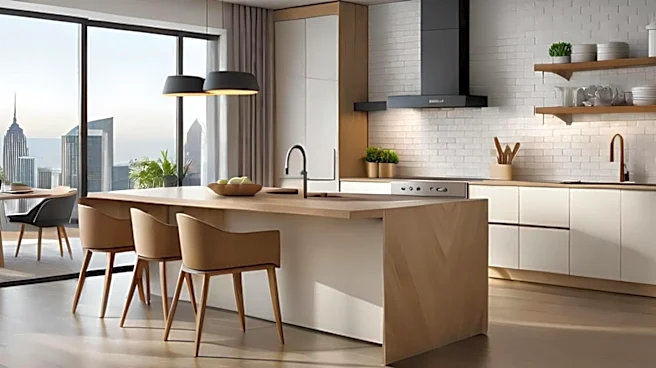
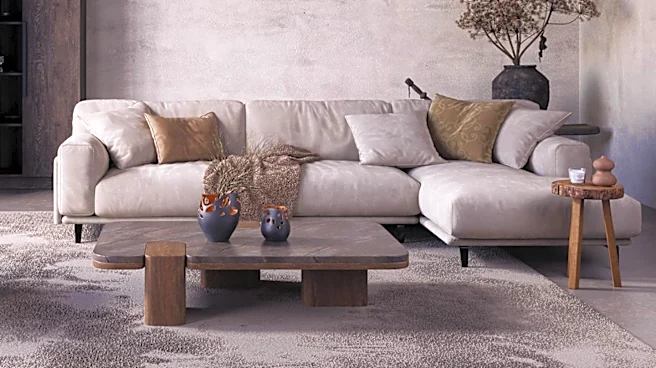
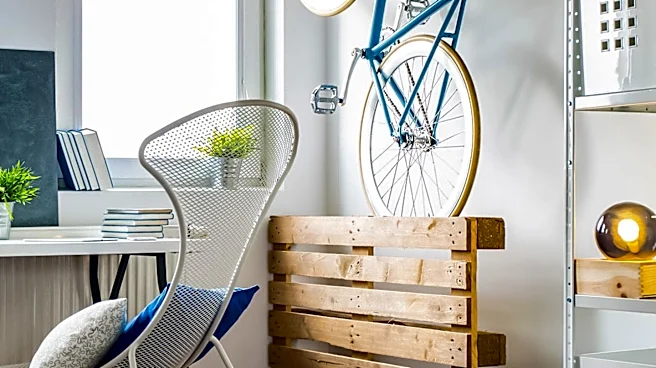
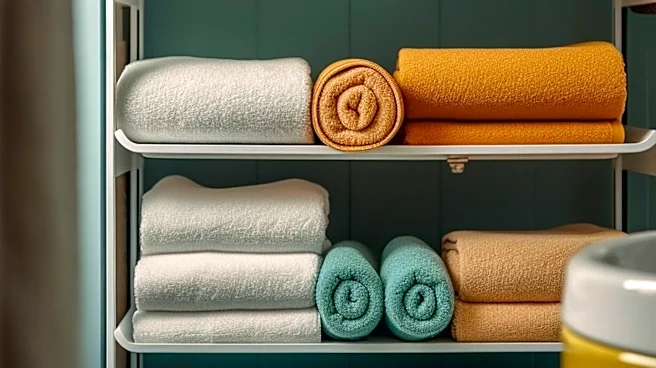
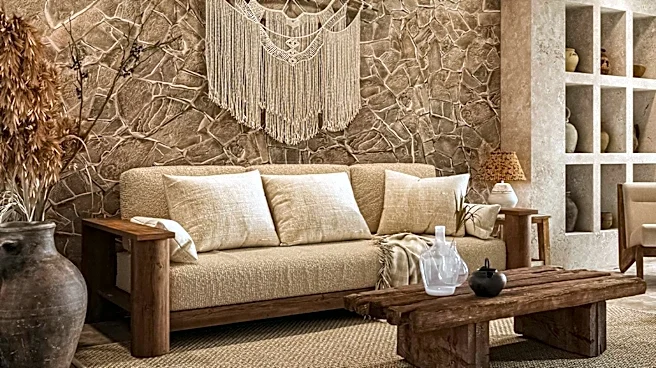
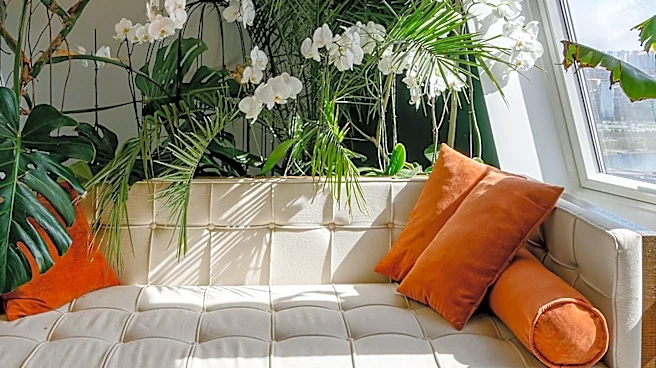
paints. These materials are chosen not only for their environmental benefits but also for their ability to improve indoor air quality. Popular choices in this trend encompass recycled wood furniture, energy-efficient lighting, natural stone finishes, and organic fabrics. Beyond material selection, smart home integration is also a key trend, incorporating technologies like smart lighting, automated curtains, voice-controlled devices, and intelligent security systems to enhance convenience, energy savings, and security. Multifunctional furniture is gaining importance in urban homes to maximize space, while nature-inspired interiors, or biophilic design, are being integrated to bring natural elements indoors, promoting relaxation and comfort. Earthy color palettes, personalized styling, and functional space planning further define the evolving landscape of interior design, moving towards spaces that are both stylish and sustainable.
Why It's Important?
This growing emphasis on sustainable and eco-friendly interior design reflects a broader societal shift towards environmental consciousness, impacting U.S. industries and consumer behavior. The demand for materials like reclaimed wood and organic fabrics drives innovation and production in sustainable manufacturing sectors, potentially creating new markets and jobs. For consumers, adopting these trends can lead to long-term financial benefits through energy savings from efficient lighting and smart home systems, as well as improved indoor air quality, contributing to better health and well-being. The focus on product longevity and repairability, as seen in the broader electronics sector, aligns with the interior design trend of choosing durable, high-quality materials that reduce waste and the need for frequent replacements. This movement also encourages businesses to prioritize ethical sourcing and production practices, as consumers become more discerning about the environmental footprint of their purchases. Ultimately, this trend signifies a move towards a more circular economy within home design, where environmental impact is a primary consideration alongside aesthetics and functionality.
What's Next?
The trajectory for sustainable home design suggests continued innovation in eco-friendly materials and smart home technologies. Manufacturers are likely to invest further in research and development to create new sustainable alternatives that are both aesthetically pleasing and highly functional. We can anticipate an increase in the availability of certified green products and materials, making it easier for consumers to make environmentally conscious choices. The integration of smart home systems will become more seamless, offering advanced energy management and personalized comfort solutions. Furthermore, as awareness grows, there may be increased policy support or incentives for homeowners to adopt sustainable renovation practices, potentially through tax credits or grants for energy-efficient upgrades. The market will likely see a rise in specialized interior designers and contractors who focus exclusively on sustainable and smart home solutions, catering to the evolving demands of environmentally conscious consumers. Educational initiatives will also play a role in informing the public about the benefits and accessibility of sustainable home improvements.
Beyond the Headlines
The shift towards sustainable and eco-friendly interior design extends beyond mere aesthetics, touching upon deeper ethical and cultural dimensions. It signifies a growing recognition of the interconnectedness between human well-being and environmental health. This trend challenges the traditional consumerist model of constant replacement, promoting a culture of longevity, repair, and mindful consumption. Ethically, it encourages industries to adopt more responsible supply chains, reducing exploitation of natural resources and minimizing waste. Culturally, it fosters a greater appreciation for natural materials and craftsmanship, moving away from mass-produced, disposable items. The integration of smart home technology also raises questions about data privacy and the balance between convenience and digital dependence. In the long term, this movement could lead to a fundamental redefinition of what constitutes a 'modern' or 'luxurious' home, prioritizing environmental stewardship and holistic well-being over ostentatious display. It also highlights a growing desire for homes to be not just shelters, but active contributors to a healthier planet.