









What's Happening?
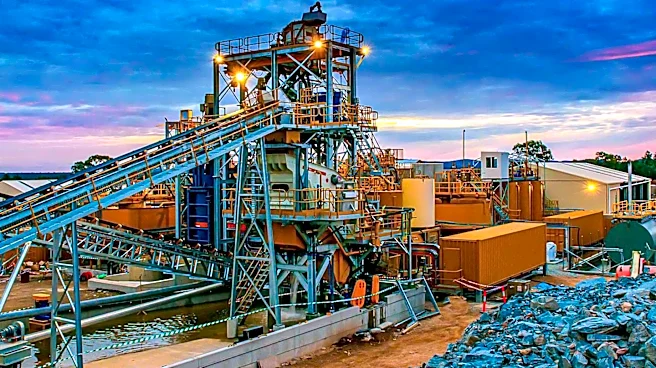
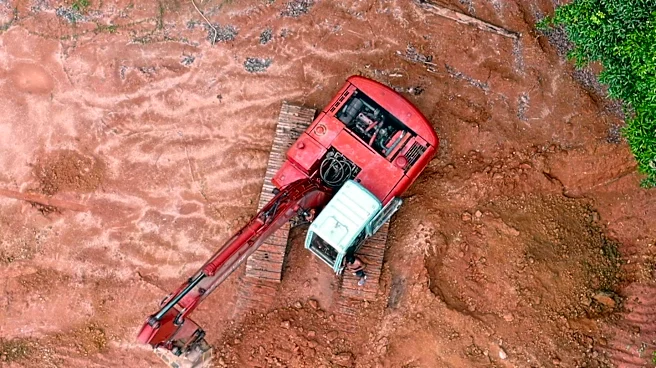
Barkly Rare Earths, an ASX-listed company, has commenced civil works to facilitate a significant drilling program at its Barkly rare earths project in Australia's Northern Territory. The initiative involves a 10,000-meter drill program aimed at exploring
the expansion potential of the existing 40-million-tonne resource, which currently grades at 2,100 parts per million total rare earth oxides. The company's Managing Director, Craig Wright, highlighted the project's unique attributes, including its substantial scale potential, surface mineralization, and low levels of deleterious radioactive elements. These factors set it apart from other global 'hard rock' rare earth projects. The company plans to update its mineral resource estimate in the fourth quarter of the year. Additionally, Barkly Rare Earths is conducting exploration at the Buntine project, where it has identified three anomalous zones containing zinc, lead, cobalt, and copper.
Why It's Important?
The commencement of this drilling program is significant for the rare earths industry, particularly as global demand for these minerals continues to rise due to their critical role in technology and renewable energy sectors. Barkly Rare Earths' project could potentially increase the supply of rare earth elements, which are essential for manufacturing electronics, electric vehicles, and wind turbines. The project's success could also enhance Australia's position as a key player in the global rare earths market, reducing reliance on dominant suppliers like China. The low radioactive content of Barkly's deposit may also offer environmental and regulatory advantages, potentially facilitating smoother project development and operation.
What's Next?
Barkly Rare Earths plans to publish an updated mineral resource estimate in the fourth quarter, which will provide further insights into the project's potential. The results of the ongoing exploration at the Buntine project, including assays from rock-chip sampling, will also be crucial in determining future development strategies. Stakeholders, including investors and industry partners, will be closely monitoring these developments, as they could influence investment decisions and strategic partnerships. The company's progress may also attract attention from government bodies interested in securing a stable supply of critical minerals.