





What's Happening?
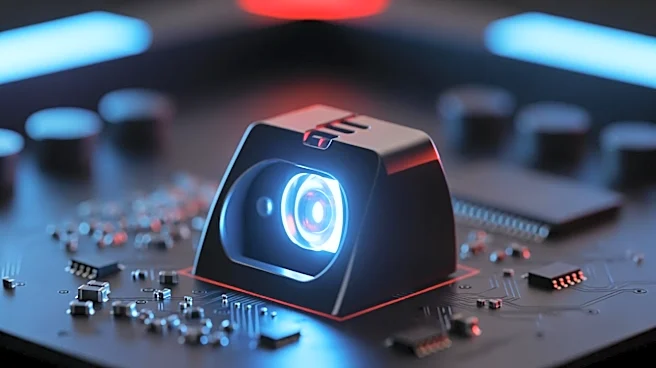
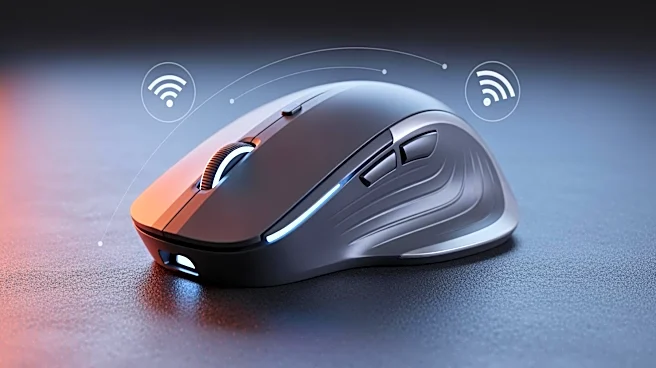
Recent reports indicate that some of the best gaming mice on the market are experiencing issues with maintaining their set DPI when moved slowly. This problem, known as 'DPI downshift,' affects mice using sensors like the PixArt PAW3395, PAW3950, and
PAW3399. The issue arises from a feature designed to prevent stationary cursor jitter, which inadvertently lowers the DPI at very low velocities. This can result in slower-than-expected cursor movement, impacting gaming performance. The problem has been highlighted by a PC peripheral YouTuber and affects popular models, including the Viper V4 Pro.
Why It's Important?
The DPI downshift issue is significant for gamers who rely on precise mouse movements for competitive play. Affected users may experience inconsistencies in cursor movement, potentially impacting their gaming performance. This issue underscores the importance of sensor accuracy in gaming peripherals and may influence consumer trust in affected brands. Manufacturers may need to address these concerns through firmware updates or design changes to maintain their reputation and market share. The situation highlights the challenges of balancing advanced features with performance reliability in gaming technology.
What's Next?
Manufacturers of affected gaming mice may need to release firmware updates to address the DPI downshift issue. Consumers are advised to keep their mouse DPI settings below 7,500 to minimize the impact of the problem. The gaming community will likely monitor the situation closely, and any updates or fixes will be eagerly anticipated. This issue may prompt manufacturers to reevaluate their sensor designs and quality control processes to prevent similar problems in the future. The response from the gaming community and manufacturers will be crucial in determining the long-term impact on brand loyalty and sales.