



What's Happening?
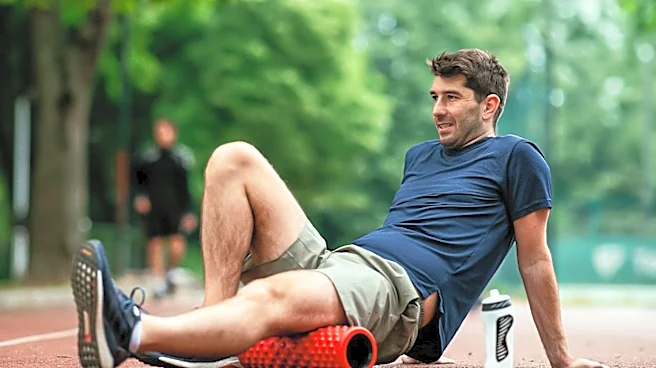
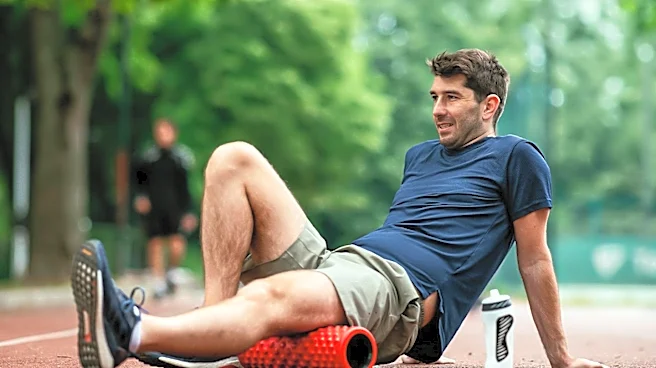
Foam rollers, cylindrical tools made of dense foam, are commonly used by runners for self-myofascial release, aiming to alleviate muscle tension in areas such as the quads, calves, and glutes. These tools are available in various firmness levels and designs,
including smooth, textured, and hollow core models. While popular for their cost-effectiveness and convenience, research into the definitive effectiveness of foam rolling for muscle repair has yielded mixed results. Some sources suggest benefits like muscle pain relief and increased relaxation, but a conclusive answer on their overall efficacy for muscle repair is not yet established.
Why It's Important?
The widespread use of foam rollers among athletes, particularly runners, highlights a significant trend in self-care and recovery practices within the sports community. The affordability and accessibility of these tools make them a popular choice for individuals seeking to manage muscle soreness and improve flexibility without professional intervention. However, the mixed scientific findings regarding their effectiveness for muscle repair underscore a broader challenge in sports science: distinguishing between perceived benefits and empirically proven outcomes. This situation impacts both consumers, who may invest in products with unproven claims, and the sports recovery industry, which relies on evidence-based solutions to maintain credibility and drive innovation. The ongoing debate also influences how physical therapists and trainers recommend recovery strategies, emphasizing the need for more rigorous research to guide best practices.
What's Next?
Further research is anticipated to provide clearer insights into the specific mechanisms and benefits of foam rolling. This could involve more controlled studies comparing foam rolling with other recovery methods, investigating different types of foam rollers, and examining their long-term effects on muscle health and athletic performance. The findings from such studies could lead to more refined recommendations for athletes and a better understanding of when and how foam rollers are most effective. Additionally, manufacturers might adapt their products based on new scientific evidence, potentially leading to more specialized or evidence-backed foam roller designs. The sports medicine community will likely continue to evaluate and integrate these findings into comprehensive recovery protocols.
Beyond the Headlines
The discussion around foam rollers extends beyond immediate muscle relief to broader implications for athlete education and the commercialization of wellness products. The popularity of foam rollers, despite mixed scientific evidence, reflects a strong consumer desire for accessible and affordable self-care solutions. This trend can sometimes lead to the adoption of practices based on anecdotal evidence rather than scientific consensus. It also raises questions about the responsibility of manufacturers and influencers in promoting wellness tools. The ongoing scientific inquiry into foam rolling's efficacy could set a precedent for how other popular, yet unproven, recovery methods are evaluated and communicated to the public, fostering a more evidence-based approach to athletic recovery and general well-being.