




What's Happening?
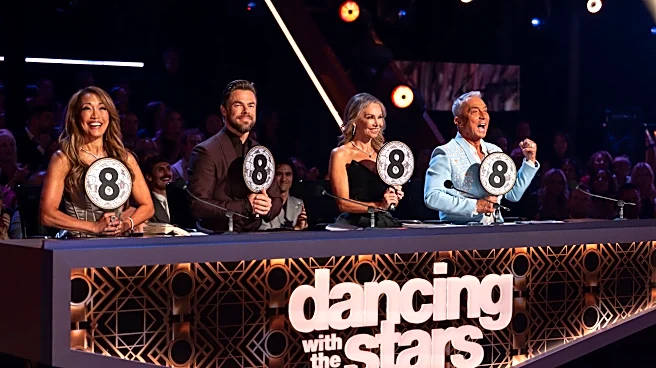
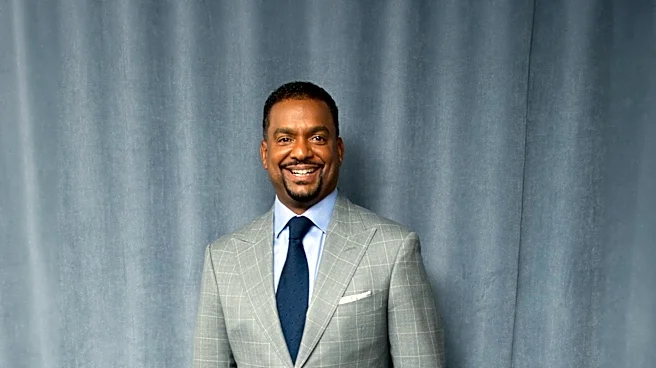
Alfonso Ribeiro, host of 'Dancing With the Stars,' has publicly addressed long-standing rumors regarding vote rigging on the popular reality competition show. The discussion was sparked after former contestants Alexa PenaVega and Carlos PenaVega shared
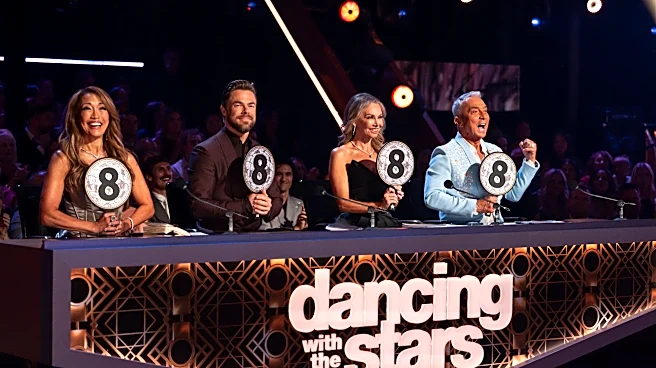
their experiences and observations on their podcast, LexLos. Alexa PenaVega recounted a conversation with then-15-year-old Vine star Hayes Grier, who believed the show was rigged due to his high follower count not translating into votes. While Alexa clarified she wasn't directly claiming rigging, she noted that the show is 'produced.' Ribeiro responded to a clip of their podcast, stating, 'No chance. We want everyone who's popular to stay on. It's basic logic.' This follows previous criticisms from other reality TV personalities, including Paige DeSorbo and Hannah Berner, who questioned the show's voting transparency after a friend's elimination. The show's executive producer, Conrad Green, previously explained the voting mechanism, detailing how judges' scores and public votes are combined to determine eliminations.
Why It's Important?
The integrity of voting processes in reality competition shows like 'Dancing With the Stars' is crucial for maintaining viewer trust and engagement. Allegations of vote rigging, even if anecdotal or speculative, can undermine the perceived fairness of the competition and potentially impact viewership and advertising revenue. For contestants, the belief that popularity doesn't guarantee safety, or that the show is 'produced,' can affect their motivation and public perception. Ribeiro's direct response aims to reassure the audience and participants about the legitimacy of the voting system. However, the ongoing nature of these rumors highlights a broader challenge for reality television: balancing entertainment value and narrative production with transparent, fair competition. The show's reliance on both judges' scores and public votes creates a complex system that can be easily misunderstood or questioned, especially when popular contestants are eliminated.
What's Next?
While Alfonso Ribeiro's statement provides a direct rebuttal to the vote rigging claims, it is unlikely to completely quell all speculation, given the history of such rumors in reality television. The show's producers may continue to face scrutiny regarding the transparency of their voting algorithms, particularly as former contestants and public figures continue to share their perspectives. Future seasons of 'Dancing With the Stars' might see increased pressure for more detailed explanations of how votes are tallied and combined with judges' scores. The ongoing dialogue among former contestants and hosts could also influence how the show presents its voting process to the public, potentially leading to clearer communication or even minor adjustments to the system to enhance perceived fairness. The entertainment industry, in general, will likely continue to grapple with the balance between competitive integrity and the dramatic elements that drive reality programming.
Beyond the Headlines
The recurring debate over vote rigging in 'Dancing With the Stars' touches upon deeper implications concerning the nature of reality television and audience perception. Beyond the immediate competition, these shows operate as significant cultural phenomena, influencing public discourse and celebrity careers. The tension between 'reality' and 'production' is a constant in the genre, where narratives are often shaped for dramatic effect, potentially blurring the lines of genuine competition. This raises ethical questions about the responsibility of producers to maintain transparency, especially when public participation through voting is involved. The audience's investment in these shows is often tied to the belief in a fair contest, and any perceived manipulation can erode that trust. Furthermore, the discussion highlights the power of social media and podcasts as platforms for former participants to share behind-the-scenes insights, which can both inform and challenge official narratives, thereby shaping public opinion in an increasingly decentralized media landscape.