






What's Happening?
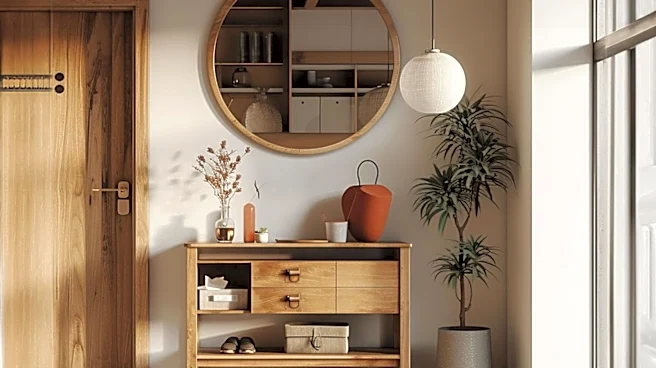
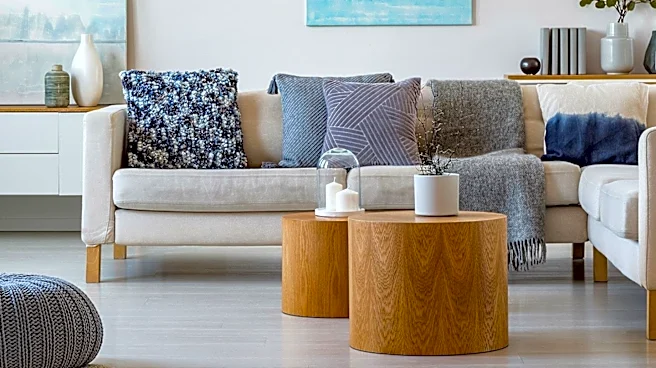
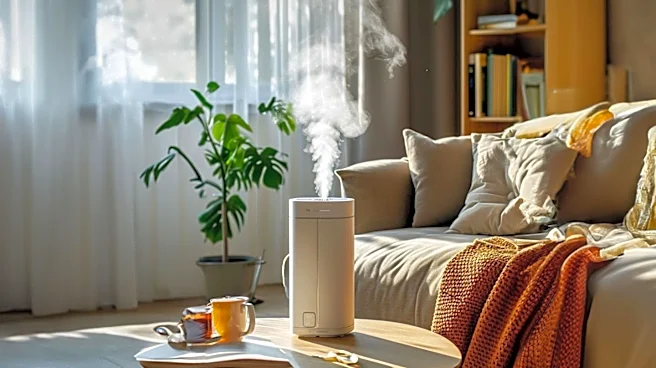
The hygge lifestyle, a Danish concept, is gaining traction in the U.S., focusing on creating a sense of coziness, comfort, and togetherness. This approach involves cultivating a warm and inviting atmosphere, often achieved through the use of natural materials,
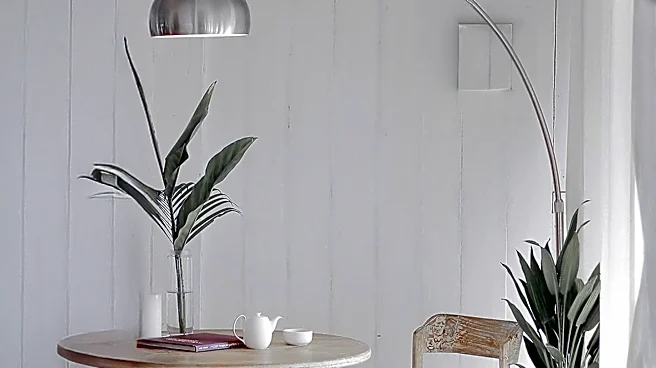
soft lighting, and shared experiences. While traditionally associated with colder climates, the core principles of hygge are adaptable to any environment. The emphasis is on fostering feelings of safety, contentment, and connection, rather than being tied to specific seasonal elements. For those in warmer climates, hygge can be integrated by utilizing lighter fabrics, embracing the ambiance of evening light, and maintaining uncluttered spaces to promote simplicity and settledness. This lifestyle trend encourages individuals to prioritize well-being and interpersonal connections within their living spaces.
Why It's Important?
The growing adoption of the hygge lifestyle in the U.S. reflects a broader societal shift towards prioritizing mental well-being and creating more intentional living environments. In a fast-paced and often stressful society, the emphasis on comfort, connection, and simplicity offers a counter-narrative, potentially influencing consumer choices in home decor, entertainment, and personal care. Businesses in the home goods, hospitality, and wellness sectors may see increased demand for products and services that align with hygge principles, such as natural textiles, mood lighting, and experiences that foster community. This trend could also impact urban planning and architectural design, with a greater focus on creating spaces that promote relaxation and social interaction. The embrace of hygge suggests a desire among U.S. consumers for a more balanced and fulfilling lifestyle, moving beyond purely materialistic pursuits.
What's Next?
As the hygge lifestyle continues to gain popularity, it is likely to further integrate into various aspects of U.S. culture and commerce. We can anticipate an expansion of product lines in retail stores catering to hygge aesthetics, including furniture, home decor, and even food and beverage options that evoke comfort and warmth. The hospitality industry may increasingly incorporate hygge elements into hotel and restaurant designs to create more inviting and relaxing atmospheres for patrons. Furthermore, there could be a rise in workshops and educational content focused on teaching individuals how to implement hygge principles in their daily lives, from home organization to social gatherings. This trend may also influence workplace design, with companies seeking to create more comfortable and collaborative environments to enhance employee well-being and productivity.
Beyond the Headlines
Beyond its aesthetic appeal, the widespread adoption of the hygge lifestyle in the U.S. points to deeper cultural and psychological implications. It suggests a collective yearning for authenticity and a retreat from the constant demands of modern life. The focus on creating a sanctuary at home and fostering meaningful connections can serve as an antidote to feelings of isolation and digital overload. Ethically, it encourages conscious consumption, prioritizing quality and longevity over fleeting trends, and valuing experiences over possessions. Culturally, it represents an embrace of a slower, more mindful way of living, potentially influencing societal norms around work-life balance and community engagement. This shift could lead to a re-evaluation of what constitutes a 'good life' in the U.S., moving towards a greater appreciation for simplicity, comfort, and human connection.