



What's Happening?
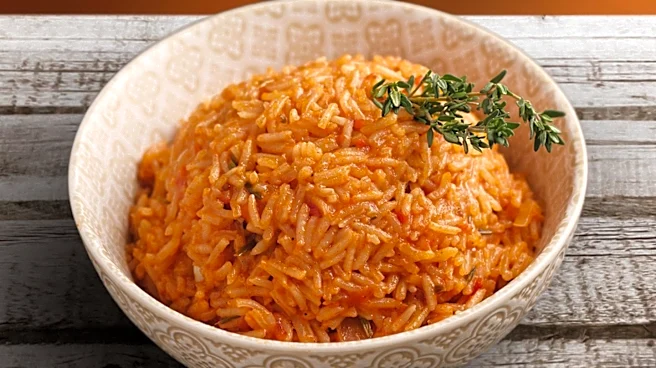
The Jollof Festival recently brought together 2,000 attendees near Washington, D.C.'s Union Market for a blind tasting of jollof rice. This event is part of a larger tour across the United States aimed at settling the long-standing debate among West African
countries about which nation makes the best jollof rice. Participants sampled six color-coded cups of jollof prepared by chefs from various countries, including Nigeria, Ghana, Senegal, Sierra Leone, Liberia, and for the first time, the United States. The festival highlights the diversity of jollof preparations, with attendees noting differences in spice, smokiness, and ingredients. Chefs like Mamadou Koité, representing Senegal, emphasized the cultural significance of the event, viewing it as an opportunity to celebrate West African food and culture rather than just a competition. After a six-hour tasting, Ghanaian chef Kafui Attakpah was crowned the winner, marking his third consecutive win at the D.C. festival. Jermaine Foreman-Marshall, representing the U.S., secured second place.
Why It's Important?
This Jollof Festival in Washington, D.C., holds significant cultural and social importance, particularly for the West African diaspora and food enthusiasts in the U.S. It serves as a platform for cultural exchange and celebration, bringing together diverse communities through a shared love for jollof rice. The event not only showcases the culinary traditions of various West African nations but also fosters a sense of community and pride among attendees. For local chefs and restaurateurs, participating in such a high-profile event can boost their visibility and business, as seen with chef Kafui Attakpah, co-owner of Calabash African Cuisine & Bar, and Mamadou Koité of Koité Grill. The inclusion of a U.S. representative for the first time also signifies the growing influence and adaptation of West African cuisine within the American culinary landscape, potentially leading to broader mainstream recognition and appreciation of these dishes. The festival's success underscores the power of food in bridging cultural divides and promoting understanding.
What's Next?
The Jollof Festival is scheduled to continue its tour across the United States, with upcoming events planned for Atlanta, North Carolina Central University, Dallas, and Houston. These future festivals will provide more opportunities for communities in different regions to participate in the blind tastings and celebrate West African cuisine. The ongoing competition is likely to further fuel the friendly rivalry among West African nations regarding their jollof rice, while also continuing to introduce the dish to new audiences. Additionally, World Jollof Day on August 22 offers a global opportunity for individuals to celebrate the dish, whether by attending a festival or preparing jollof at home. The continued success and expansion of the festival could lead to increased demand for West African ingredients and culinary expertise in the U.S., potentially influencing restaurant menus and food product development.
Beyond the Headlines
Beyond the immediate competition, the Jollof Festival taps into deeper themes of cultural identity, heritage, and the role of food in preserving and transmitting traditions. The passionate debate over which country makes the 'best' jollof rice reflects a strong sense of national pride and culinary heritage among West African communities. For many attendees, the festival is not just about tasting food but about connecting with their roots and sharing their culture with others. The event also highlights the evolving nature of traditional dishes as they are adapted and reinterpreted in new cultural contexts, as evidenced by the U.S. entry in the competition. This cultural exchange through food can foster greater understanding and appreciation of diverse traditions, contributing to a more inclusive and multicultural society. The festival's emphasis on community and joy, as expressed by chef Mamadou Koité, underscores the intrinsic value of food as a medium for human connection and happiness.