









What's Happening?
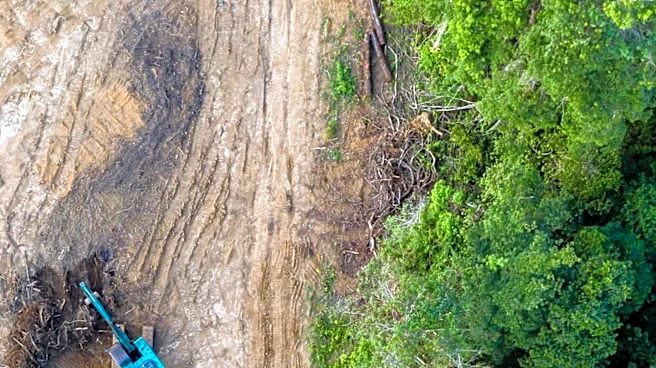
The European Union Deforestation Regulation (EUDR), set to take effect in December 2026, is prompting U.S. food companies to invest in compliance measures. The regulation aims to prevent goods linked to deforestation from entering the EU market, affecting
commodities like cocoa, soy, palm oil, and coffee. Companies are investing in traceability systems and data management to meet the regulation's requirements. While some view these efforts as a cost, others see them as an investment in sustainable business practices and supply chain resilience.
Why It's Important?
The EUDR represents a significant shift in global trade regulations, with potential impacts on U.S. food companies that export to the EU. Compliance with the regulation could increase operational costs, but it also offers opportunities for companies to enhance supply chain transparency and sustainability. The regulation underscores the growing importance of environmental, social, and governance (ESG) considerations in business strategy. Companies that successfully adapt to these requirements may gain a competitive advantage in the global market.
What's Next?
As the EUDR implementation date approaches, U.S. food companies will need to continue investing in compliance measures and supply chain improvements. The regulation may prompt broader industry shifts towards sustainable sourcing and production practices. Companies will also need to navigate potential challenges related to data management and supplier engagement. The regulation's impact on smallholder farmers and global supply chains will be closely monitored, with potential implications for trade relations and international cooperation on environmental issues.
Beyond the Headlines
The EUDR highlights the complex interplay between trade, environmental policy, and corporate responsibility. It raises questions about the role of government regulation in driving sustainable business practices and the potential for international collaboration on environmental issues. The regulation also underscores the need for companies to balance compliance costs with long-term sustainability goals. As businesses adapt to these new requirements, they may contribute to broader efforts to address climate change and biodiversity loss.