




What's Happening?
The U.S. construction industry is experiencing a significant shift towards the adoption of sandwich panels for sustainable building. These panels, which consist of lightweight cores sandwiched between durable facings, are gaining prominence due to their
superior thermal insulation, enhanced structural integrity, and ease of installation. This trend is driven by increasing demand for energy-efficient and eco-friendly building materials, stringent environmental regulations, and the pursuit of green building certifications like LEED and BREEAM. Advancements in core materials, including expanded polystyrene (EPS), polyurethane (PUR), and mineral wool, have improved thermal performance and fire safety, with bio-based and recycled cores further aligning with sustainability goals. The lightweight nature of these panels also reduces transportation and labor costs, accelerating project timelines.
Why It's Important?
This growing adoption of sandwich panels is critical for the U.S. construction sector's efforts to reduce its carbon footprint and meet energy efficiency standards. Buildings are major consumers of energy, and the excellent thermal insulation properties of these panels significantly lower heating and cooling loads, leading to reduced energy consumption and operational costs for building owners. For developers, the ease and speed of installation, coupled with reduced transportation costs, offer economic advantages. The emphasis on sustainable materials also fosters innovation within the manufacturing sector, driving the development of more advanced and environmentally friendly building components. This shift supports the broader national goals of sustainability and climate resilience, impacting commercial, industrial, and residential sectors by promoting greener infrastructure and housing.
What's Next?
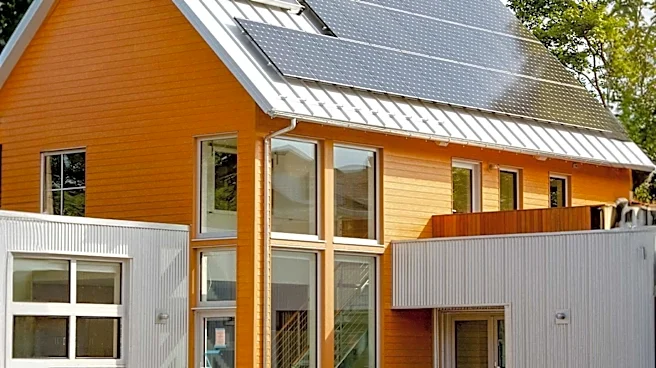
The future of sandwich panels in U.S. sustainable construction will likely see continued technological innovations, particularly in bio-based insulation cores and multi-functional panels that integrate features like photovoltaic cells or smart insulation systems. The increasing demand for modular and prefabricated construction methods will further accelerate the adoption of these panels, as they are well-suited for quick assembly and customization, reducing construction waste. Companies will need to address challenges related to the initial costs of advanced eco-friendly materials and ensure compliance with stringent fire safety standards. Regional policies and green building incentives will continue to play a crucial role in driving market growth, with a focus on developing cost-effective, high-performance, and environmentally friendly solutions to capitalize on emerging opportunities in green infrastructure and renewable energy projects.
Beyond the Headlines
The widespread adoption of sustainable sandwich panels has deeper implications for urban planning and resource management in the U.S. It signifies a move towards more resilient and adaptable building practices, capable of responding to evolving environmental challenges and energy demands. This trend could also influence architectural design, promoting a greater emphasis on material efficiency and lifecycle assessment in building projects. Furthermore, it highlights the interconnectedness of environmental regulations, technological innovation, and economic incentives in shaping industry practices. The development and deployment of these materials contribute to a circular economy by utilizing recycled content and promoting resource efficiency, ultimately fostering a more sustainable built environment and potentially influencing public perception of 'green' construction as a standard rather than a niche.