





What's Happening?
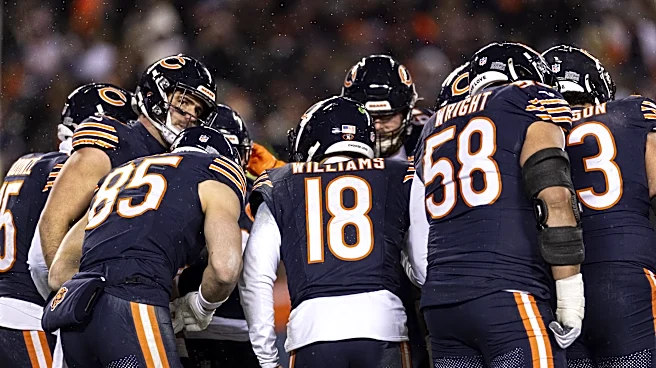
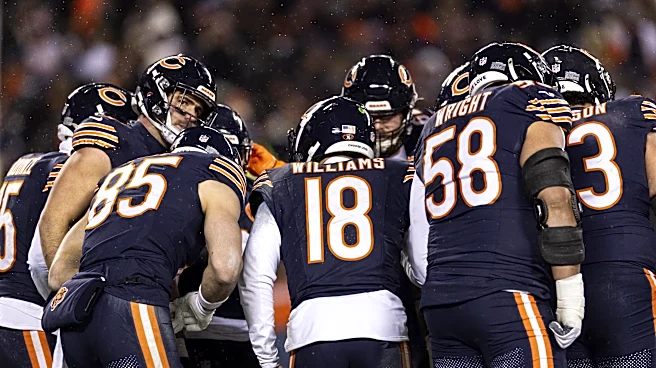
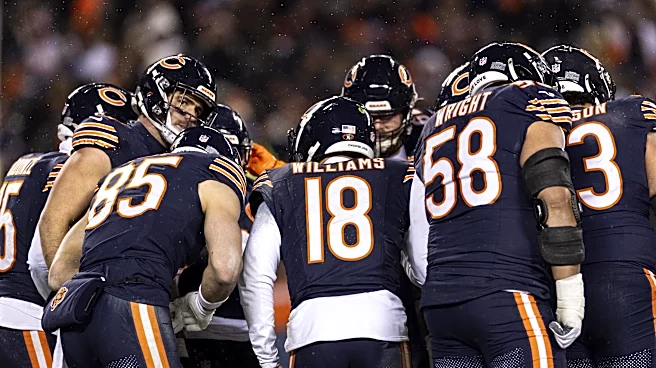
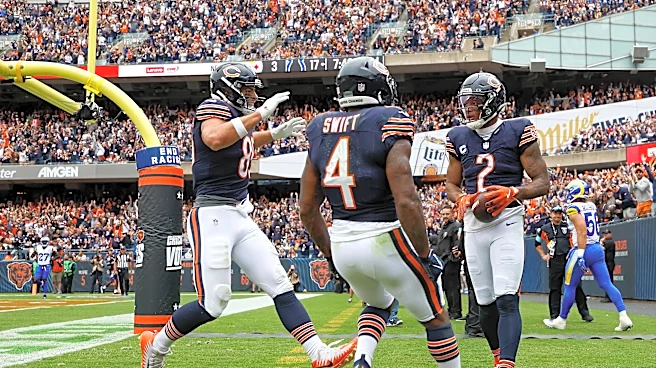
The Chicago Bears' long-running stadium saga is entering a new phase as the Illinois veto session begins, with state legislators considering proposals to keep the team in Illinois. The Bears had previously focused on a plan to move to Hammond, Indiana,
and their board of directors voted in June to advance that project. However, a recent meeting between NFL Commissioner Roger Goodell, Illinois Governor JB Pritzker, key state legislators, and Bears minority owner Pat Ryan has reportedly shifted the mood. The team has acknowledged engagement from Illinois leadership to explore legislation, while also continuing due diligence on two sites in the Wolf Lake area of Hammond, Indiana. This suggests the Bears are open to proposals that meet their financial needs, potentially using the Indiana option as leverage. The situation is complicated by Governor Pritzker's potential presidential ambitions, as losing the Bears to Indiana could be a significant political setback.
Why It's Important?
The resolution of the Bears stadium situation carries significant economic and political implications for both Illinois and Indiana. For Illinois, retaining the Bears means preserving a major economic driver, including game-day revenue, tourism, and associated retail and housing development. Losing the team would be a blow to the state's image and economy, particularly for Chicago. For Governor Pritzker, securing a deal to keep the Bears in Illinois could bolster his political standing, especially if he harbors presidential aspirations. Conversely, failing to do so could be seen as a major political failure. Indiana, on the other hand, stands to gain substantial economic benefits and prestige if it successfully attracts the Bears. The competition highlights the intense rivalry between states for major sports franchises, which are often seen as symbols of regional pride and economic vitality. Developers in Chicago are also vying for the opportunity to build a new stadium, with several new proposals emerging, each with its own set of challenges and potential impacts on local communities and infrastructure.
What's Next?
Illinois legislators will have six days during the fall veto session to address the stadium issue, with proposals in both the House and Senate aimed at keeping the Bears in the state. The final decision rests with the Bears, who are evaluating various options, including staying in Illinois, potentially in Arlington Heights on land they already own, or moving to Hammond, Indiana. The team's statement indicates they are continuing to work with Indiana leaders while also engaging with Illinois leadership. The emergence of new proposals in Chicago, such as sites near Rate Field in Bridgeport, the old U.S. Steel's South Works plant, and the former Michael Reese Hospital site, adds further complexity to the decision-making process. The outcome will depend on which proposal best aligns with the Bears' financial and operational needs, as well as the political will and financial incentives offered by Illinois and Indiana.
Beyond the Headlines
The ongoing stadium debate extends beyond mere sports and economics, touching upon urban planning, community displacement, and the role of public funding in private ventures. The proposal near Rate Field, for instance, could displace residents of the Chicago Housing Authority's Wentworth Gardens complex, raising questions about social equity and urban development priorities. The discussion also highlights the broader trend of sports franchises seeking new, state-of-the-art facilities, often at significant public expense, and the leverage they wield in negotiations with state and local governments. The perceived need for a domed stadium, despite fan preferences, and the team's historical dissatisfaction with Soldier Field, underscore the complex interplay of team ownership vision, fan experience, and financial considerations in modern professional sports. The saga also reflects the challenges of balancing economic development with community interests and environmental concerns, particularly in densely populated urban areas.