
What's Happening?
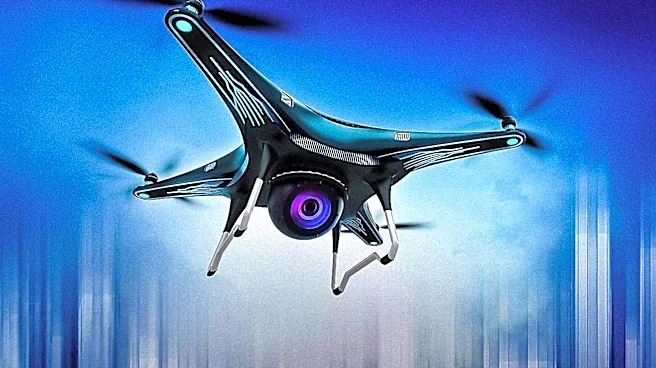
Uber CEO Dara Khosrowshahi emphasized the potential of drone delivery to significantly enhance customer experience during the company's Q2 2026 earnings call. Khosrowshahi noted that drones could reduce food delivery times from 30 minutes to just 10-15
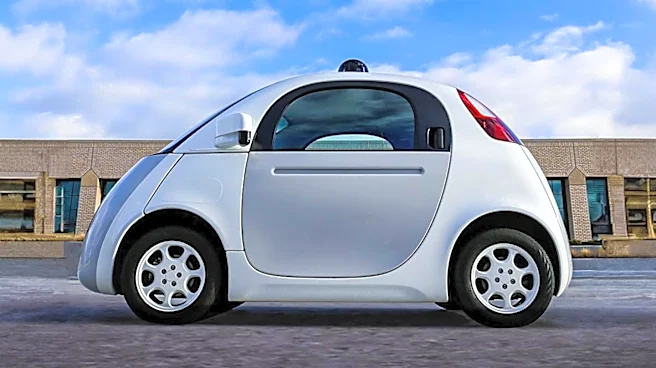
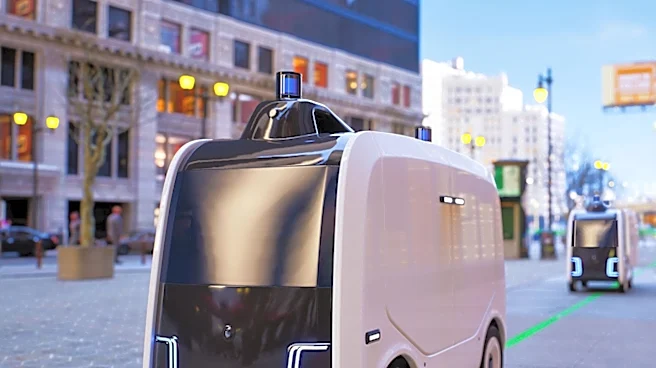
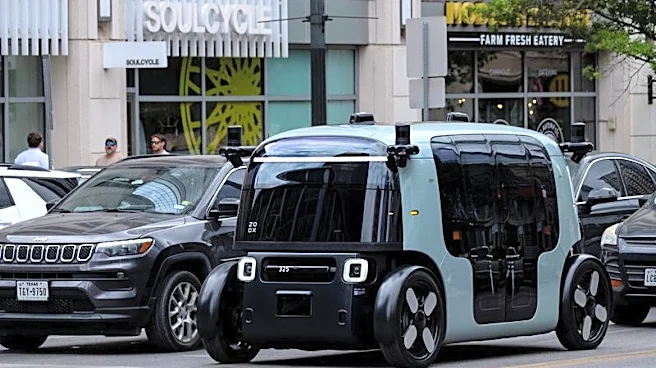
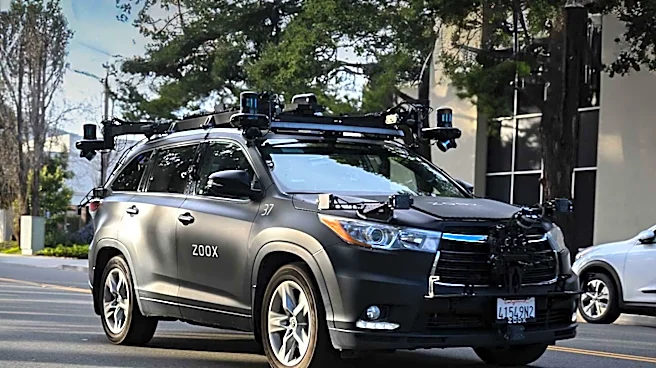
minutes, marking a substantial improvement. Uber's autonomous strategy now includes sidewalk delivery robots and drone delivery through partnerships with companies like Serve Robotics and Flytrex. The company is also expanding its robotaxi services, collaborating with Waymo, Zoox, and others. Khosrowshahi believes that autonomy represents a complete ecosystem, with Uber acting as the platform connecting consumers to these services.
Why It's Important?
The integration of drone delivery into Uber's service offerings could revolutionize the food delivery industry by drastically reducing delivery times, thereby enhancing customer satisfaction and operational efficiency. This move positions Uber to capitalize on the growing demand for faster delivery services, potentially increasing its market share in the competitive food delivery sector. Additionally, the expansion into autonomous vehicles and delivery robots aligns with Uber's long-term strategy to lead in the autonomous transportation market. This could result in significant cost savings and operational efficiencies, as well as address concerns about driver shortages and delivery delays.
What's Next?
Uber plans to continue expanding its autonomous vehicle and drone delivery services, with a focus on improving the technology and addressing regulatory challenges. The company aims to operate robotaxis in 28 cities globally by 2028, with further expansion of drone delivery services. As Uber advances its autonomous strategy, it will need to navigate regulatory landscapes and address public concerns about safety and job displacement. The success of these initiatives will depend on Uber's ability to effectively integrate these technologies into its existing platform and gain consumer trust.