




What's Happening?
Golf is experiencing a significant surge in popularity, largely attributed to its growing presence on social media platforms. PGA Teaching Professional Ryan McGinnis, based at Turning Stone Resort Casino, notes that social media allows him to reach a broader
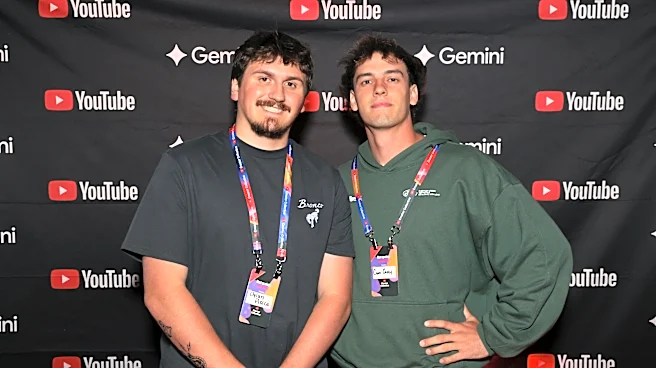
audience, ultimately drawing more people to golf courses. The influence of YouTube and golf influencers, some boasting millions of subscribers and views, is a key factor. McGinnis explains that these influencers offer a more relatable and entertaining approach to golf compared to the serious demeanor often seen in professional tours. This shift has led to a substantial increase in golf participation, with the National Golf Foundation reporting a 41% rise since COVID-19. The Aspen Institute further indicates that participation among individuals under 18 has nearly doubled, contrasting with declining youth engagement in other sports like baseball, football, and lacrosse.
Why It's Important?
This trend signifies a major shift in how sports, particularly golf, are marketed and consumed in the U.S. The rise of social media influencers is democratizing access to golf, making it appear more approachable and fun, which is crucial for attracting younger demographics. This increased participation has significant economic implications for the golf industry, including golf courses, equipment manufacturers, and related businesses. The growth among youth is particularly vital for the long-term sustainability of the sport, ensuring a new generation of players and enthusiasts. The decline in youth participation in traditional sports, while golf thrives through digital engagement, suggests a broader cultural shift in how young people interact with and choose their recreational activities. This phenomenon also highlights the power of digital platforms to reshape industries and consumer behavior.
What's Next?
The golf industry is expected to continue leveraging social media and influencer marketing to sustain and accelerate this growth. Golf courses and resorts, like En-Joie Golf Club, are increasingly hosting influencers to generate affordable and widespread exposure. This strategy is likely to expand, with more collaborations between golf venues and digital content creators. The focus will remain on creating engaging, relatable content that appeals to a diverse audience, especially younger players. As Ryan McGinnis suggests, the social media era for golf is still in its early stages, indicating further potential for innovation and expansion. This could lead to new formats of golf content, increased digital engagement, and potentially more accessible ways for people to learn and play the sport.
Beyond the Headlines
The social media-driven boom in golf participation reveals deeper insights into modern consumer behavior and the evolving landscape of sports. It underscores the importance of authenticity and relatability in content, as influencers who 'hack it around at home' resonate more with audiences than highly polished professional athletes. This trend also highlights the economic benefits that extend beyond the golf course itself, as influencers often showcase local businesses, restaurants, and attractions in the communities where they play, boosting regional tourism. Ethically, it raises questions about the balance between maintaining the traditional integrity of a sport and adapting to new, often less formal, digital presentation styles. Culturally, it reflects a broader societal shift towards digital-first engagement and the power of online communities to shape real-world activities and interests.