




What's Happening?
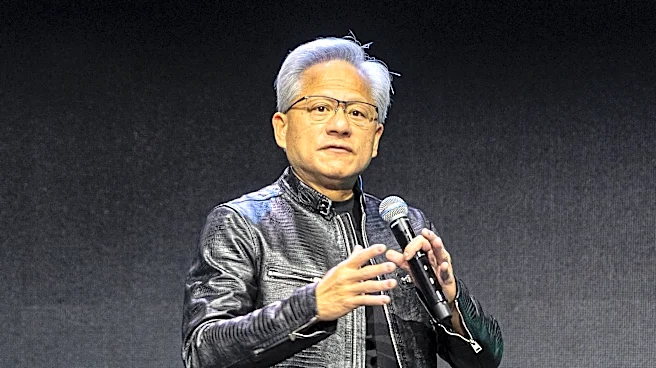
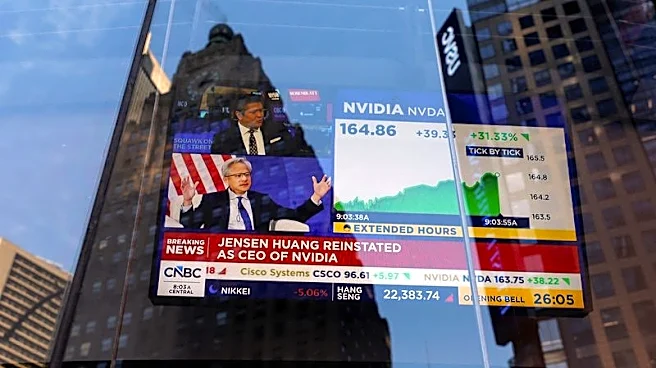
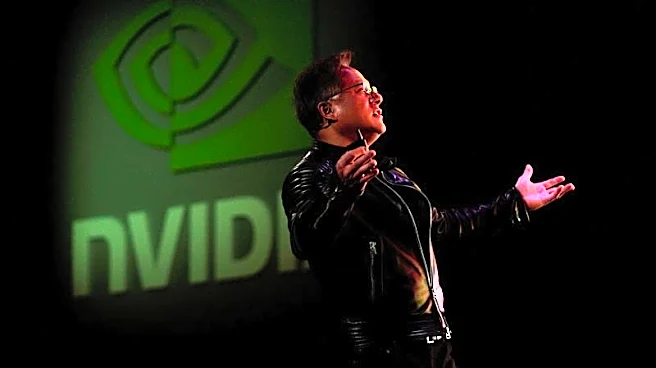
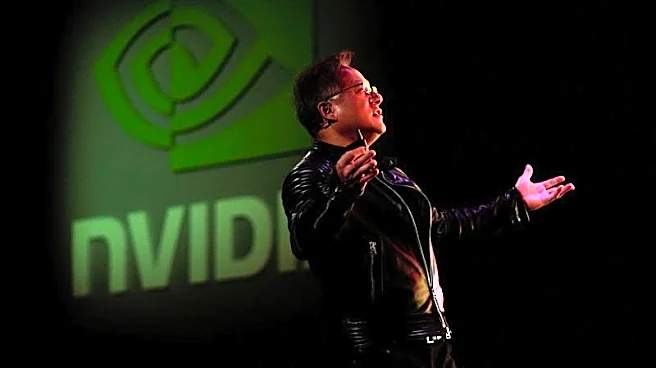
Nvidia CEO Jensen Huang has been reinstated following a period of intense scrutiny and a coordinated campaign against him. This reinstatement occurred despite accusations related to his personal conduct and his resolute advocacy for selling chips to China,
which reportedly drew the attention of the national security apparatus. The situation involved a media campaign and insinuations of malfeasance, leading to pressure on Nvidia's board. President Trump reportedly called into an Nvidia board meeting to advocate for Huang's reinstatement. Huang's return has been met with investor approval, with Nvidia gaining nearly $1 trillion in market capitalization following the announcement. This event is seen as a unique exception in corporate leadership, highlighting the extraordinary influence of a single individual in the tech industry.
Why It's Important?
The reinstatement of Jensen Huang, despite significant opposition and allegations, underscores the immense power and perceived indispensability of certain leaders in the technology sector, particularly in critical areas like artificial intelligence. The reported intervention by President Trump in a corporate board decision highlights an unusual intersection of politics and business, potentially setting a precedent for future executive leadership disputes in strategically important industries. The market's strong positive reaction to Huang's return demonstrates investor confidence in his leadership and vision for Nvidia, especially concerning its pivotal role in the AI landscape. This event also brings to light the ongoing tension between corporate autonomy, national security interests, and the influence of individual executives in shaping global technological advancements.
What's Next?
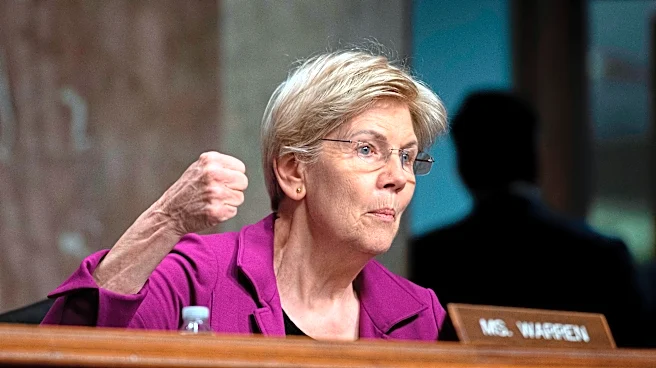
Jensen Huang's interactions with China are expected to be investigated by a Democratic Congress, indicating continued political scrutiny over Nvidia's international business practices. The broader implications for corporate governance and executive accountability in the tech industry will likely be debated, especially concerning the balance between individual leadership and corporate ethics. Nvidia will continue to be a central player in the AI revolution, and Huang's leadership will be critical in navigating geopolitical challenges and maintaining market dominance. The event may also prompt discussions about the role of political figures in private corporate decisions and the potential for such interventions to influence market dynamics and corporate leadership structures.
Beyond the Headlines
This episode reflects a deeper shift in the corporate landscape, where the value of an individual leader, particularly in highly innovative and rapidly evolving sectors like AI, can outweigh traditional corporate governance concerns. It challenges the conventional managerial model, suggesting a future where a few highly influential individuals, empowered by AI, can drive disproportionate economic and technological impact. The situation also highlights the increasing entanglement of national security, economic policy, and corporate strategy, especially in critical technological domains. The ethical and legal frameworks governing executive conduct and corporate responsibility may face renewed examination in light of such 'exceptional' cases, potentially leading to a re-evaluation of how society balances individual genius with collective accountability.