


What's Happening?
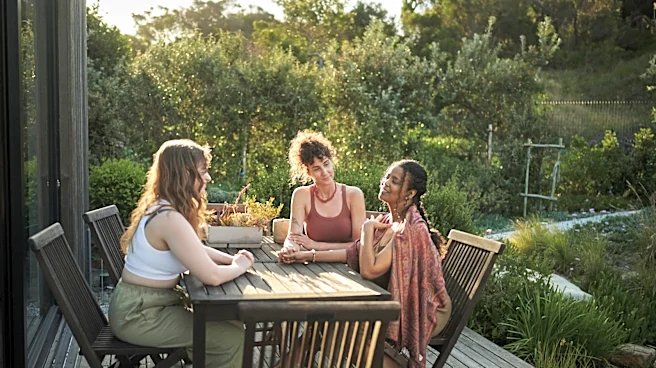
The design of a roof is a critical element in creating outdoor living spaces that seamlessly integrate with a home's existing architecture, according to an article from finehomesandliving.com. Simply adding a roof over a patio is insufficient; true integration
requires careful consideration of factors such as overhang depth, drainage, pitch, and roofing materials. These details influence the amount of sun exposure, protection from rain, and overall comfort of the outdoor area in varying weather conditions. A well-designed roof ensures that water is directed away from walkways, seating areas, and the foundation, preventing splashing or pooling. The goal is to make the outdoor space feel like an original part of the home, rather than an afterthought, by matching the roof's pitch, proportions, material, and color to the house's existing design.
Why It's Important?
The intentional design of outdoor living space roofs holds significant importance for homeowners and the construction industry. For homeowners, it translates directly into enhanced usability and enjoyment of their outdoor areas, making them more comfortable and functional year-round. This thoughtful integration can also increase property value by creating a more cohesive and aesthetically pleasing home environment. For the construction and landscaping industries, this highlights the need for a holistic approach to outdoor projects, moving beyond basic coverage to sophisticated design. It emphasizes the value of skilled professionals who can manage complex architectural details, potentially driving demand for specialized design and construction services. Poor planning, conversely, can lead to practical issues like water damage and reduced comfort, diminishing the investment's return and homeowner satisfaction.
What's Next?
As homeowners increasingly seek to extend their living areas outdoors, the focus on integrated roof design is likely to grow. This trend suggests a future where outdoor living spaces are not merely additions but integral components of home architecture. We can anticipate an increased demand for architects, designers, and contractors who specialize in creating these sophisticated outdoor environments. Manufacturers of roofing materials and outdoor living products may also innovate to offer more aesthetically versatile and functionally advanced solutions that cater to this demand. Educational resources and industry standards might evolve to emphasize the importance of comprehensive roof planning in outdoor space development, ensuring that new constructions and renovations meet higher standards of integration and functionality.
Beyond the Headlines
Beyond the immediate practical benefits, the emphasis on integrated roof design for outdoor living spaces reflects a broader cultural shift towards blurring the lines between indoor and outdoor living. This trend suggests a desire for homes that offer a more fluid connection with nature and provide versatile spaces for relaxation and entertainment. Ethically, it encourages sustainable design practices that consider environmental factors like water management and sun exposure, potentially leading to more energy-efficient and resilient homes. Aesthetically, it promotes architectural harmony, where every element of a property contributes to a unified and intentional design. This evolution in home design could also influence urban planning, encouraging the creation of more green spaces and outdoor amenities in residential developments.