






What's Happening?
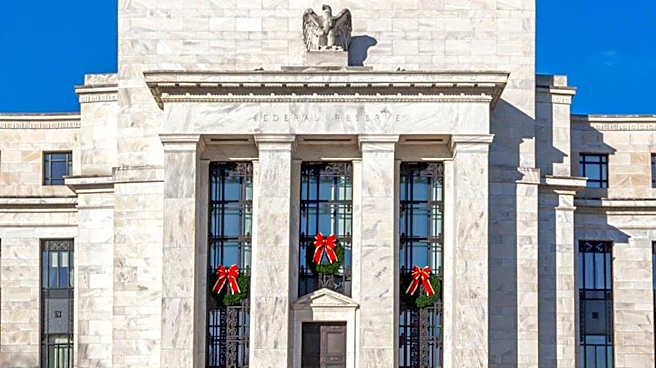
U.S. financial markets are poised for significant activity today, primarily driven by key central bank decisions and economic data releases. The Federal Reserve is scheduled to announce its interest rate decision, with consensus expecting the federal
funds target range to remain unchanged at 3.75–4.00%. The market's reaction will largely hinge on the Federal Open Market Committee (FOMC) statement and the subsequent press conference, as investors seek signals regarding the Fed's monetary policy direction for December. Earlier in the day, investors will also be monitoring U.S. trade data, specifically the goods trade balance for September, which is expected to be -$130 billion. Additionally, the weekly EIA report on crude oil and gasoline inventories will be released, with anticipated declines of approximately 0.3 million barrels for crude and 0.9 million barrels for gasoline. The day will also see earnings reports from major U.S. technology companies, including Alphabet and Microsoft, adding another layer of potential market volatility.
Why It's Important?
These events hold substantial importance for the U.S. economy and financial markets. The Federal Reserve's decision and forward guidance are critical for setting the tone for interest rates, which directly impacts borrowing costs for businesses and consumers, influencing investment and spending. An unchanged rate, coupled with hawkish or dovish language in the FOMC statement, could lead to significant market shifts. The U.S. goods trade balance provides insights into the nation's economic health and its trade relationships, affecting currency valuations and investor confidence. Fluctuations in crude oil and gasoline inventories can impact energy prices, which in turn affect inflation and consumer spending. Furthermore, the earnings reports from major technology companies like Alphabet and Microsoft are bellwethers for the broader tech sector and the overall market, as their performance can influence investor sentiment and capital allocation across industries.
What's Next?
Following the Federal Reserve's interest rate decision and press conference, market participants will meticulously analyze the FOMC statement for any subtle shifts in language or economic projections that could signal future policy moves. The focus will immediately shift to deciphering the Fed's stance on inflation, economic growth, and employment, particularly concerning the likelihood of further rate adjustments in December. Traders and analysts will also be scrutinizing the U.S. trade data and energy inventory reports for their implications on economic forecasts and commodity markets. The earnings calls from Alphabet and Microsoft will provide crucial insights into the health of the technology sector and corporate profitability, potentially influencing stock prices and broader market trends in the coming days. Any unexpected announcements or deviations from consensus expectations in these events could trigger immediate and significant market reactions.
Beyond the Headlines
The confluence of these economic events extends beyond immediate market fluctuations, touching upon broader economic stability and policy credibility. The Federal Reserve's communication strategy is paramount; any perceived ambiguity or inconsistency could undermine market confidence and complicate economic planning for businesses. The trade balance figures, while seemingly technical, reflect underlying shifts in global supply chains and consumer demand, which have long-term implications for U.S. manufacturing and international competitiveness. The performance of major tech companies, as revealed in their earnings, can also highlight trends in innovation, consumer behavior, and the digital economy, shaping future investment landscapes. Ultimately, the outcomes of these events will contribute to the ongoing narrative about the U.S. economy's resilience, inflationary pressures, and the effectiveness of monetary policy in navigating a complex global economic environment.