








What's Happening?
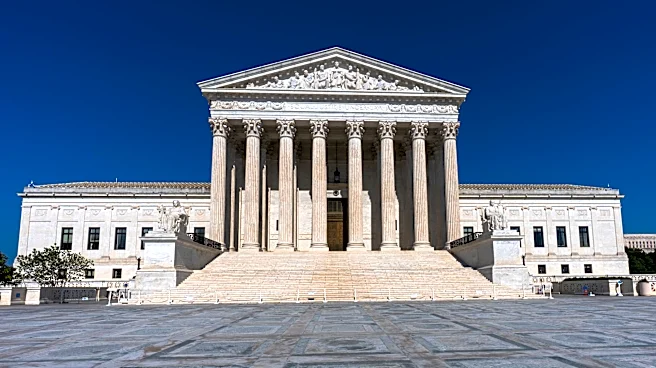
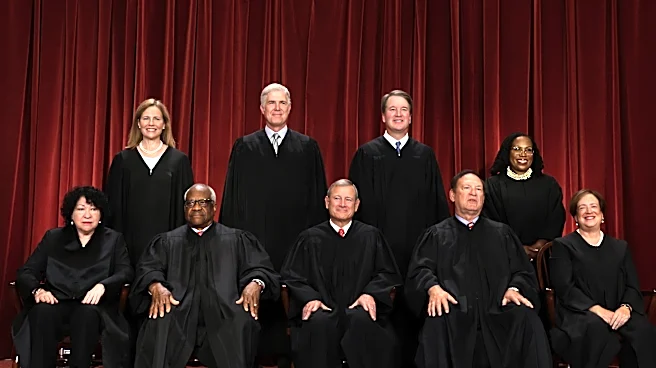
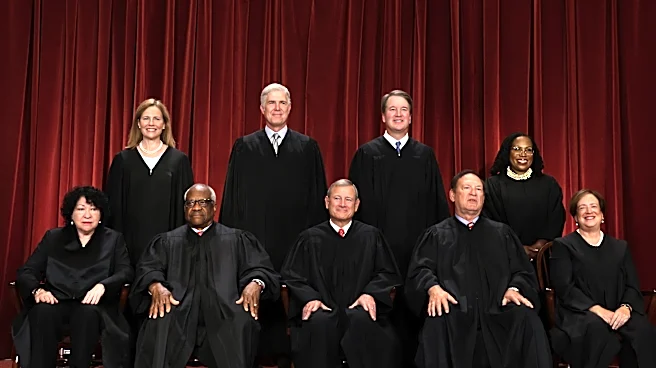
The U.S. Supreme Court has ruled in the case of Cisco Systems, Inc. v. Doe, determining that the Alien Tort Statute (ATS) and the Torture Victim Protection Act (TVPA) do not create private rights of action for aiding and abetting. This decision further
restricts the ability of plaintiffs to hold U.S. companies accountable for human rights violations committed overseas. The ruling is part of a broader trend by the Supreme Court to narrow the scope of the ATS, which historically allowed foreign nationals to bring lawsuits in U.S. courts for certain international law violations. The decision is expected to benefit companies facing such claims, as it limits the legal avenues available to plaintiffs seeking to hold corporations liable for complicity in human rights abuses.
Why It's Important?
This ruling has significant implications for U.S. companies operating internationally, as it reduces the risk of litigation related to human rights abuses in their supply chains or operations abroad. By closing the door on aiding and abetting claims under the ATS and TVPA, the decision may encourage companies to reassess their human rights due diligence and compliance strategies. The ruling also highlights the ongoing legal and ethical challenges faced by multinational corporations in balancing business interests with human rights responsibilities. For human rights advocates, the decision represents a setback in efforts to hold corporations accountable for their global impact, potentially shifting the focus to other legal frameworks or advocacy strategies.
What's Next?
In response to the Supreme Court's decision, plaintiffs and human rights advocates may explore alternative legal theories and strategies to pursue accountability for corporate human rights violations. This could include leveraging other statutes, such as the Trafficking Victims Protection Reauthorization Act, or pursuing non-litigation approaches like advocacy and public pressure campaigns. The ruling may also prompt legislative efforts to address perceived gaps in corporate accountability for human rights abuses. As the legal landscape evolves, companies will need to stay informed and proactive in managing human rights risks and compliance obligations.