








What's Happening?
Capital One Financial has closed over 300 accounts associated with the Trump Organization following an anti-money laundering review. This action has led to a lawsuit from the Trump Organization, which alleges that the closures were politically motivated.
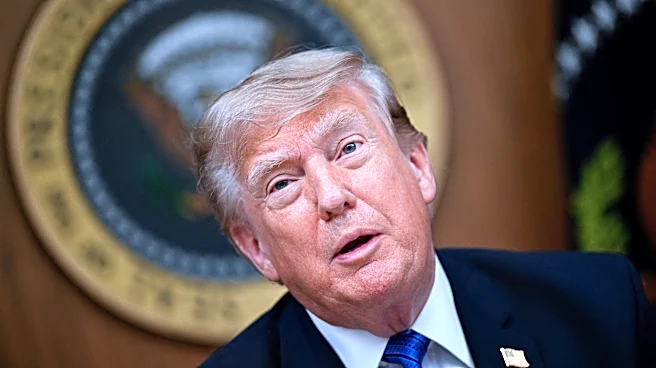
Capital One, however, asserts that the decision was based on transaction patterns that align with federal banking guidance. The bank's filing aims to dismiss the lawsuit by challenging the Trump Organization's claims of political bias. This marks the first formal instance where a bank has linked money-laundering concerns to President Trump's business.
Why It's Important?
This development is significant as it touches on the intersection of financial regulation and political influence. The case could influence how banks manage accounts linked to high-profile political figures, potentially affecting regulatory practices and the banking industry's approach to compliance. For the Trump Organization, the lawsuit represents an effort to challenge perceived political discrimination, while for Capital One, it is a defense of its regulatory compliance processes. The outcome could have broader implications for the financial sector's handling of politically sensitive accounts.
What's Next?
The court's decision on the motion to dismiss will be pivotal. If the case moves forward, it could lead to increased scrutiny of Capital One's compliance procedures and potentially impact future banking regulations. Both parties are expected to continue their legal battle, with potential ramifications for the financial industry's relationship with politically exposed persons. The proceedings may also affect public perceptions of the Trump Organization and its financial practices.