





What's Happening?
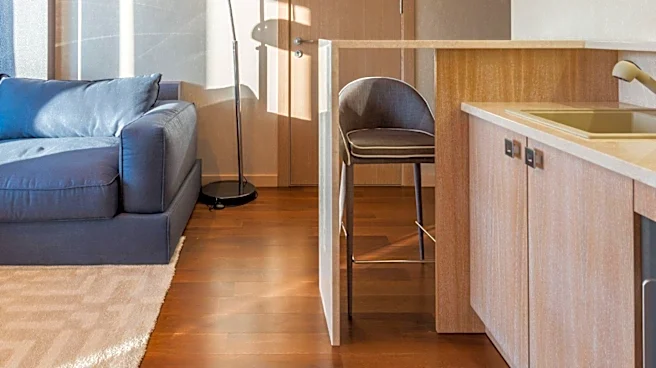
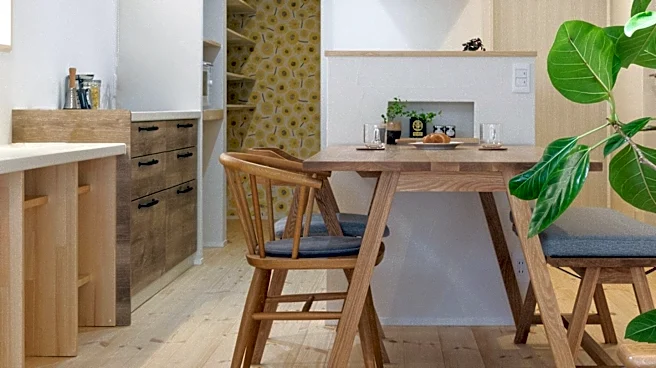
Studio apartment design is evolving to prioritize clean, minimalist aesthetics and functional space utilization. Key strategies include adopting a mid-century minimal palette, often with a dominant wood tone, to create visual rhythm and a cohesive look.
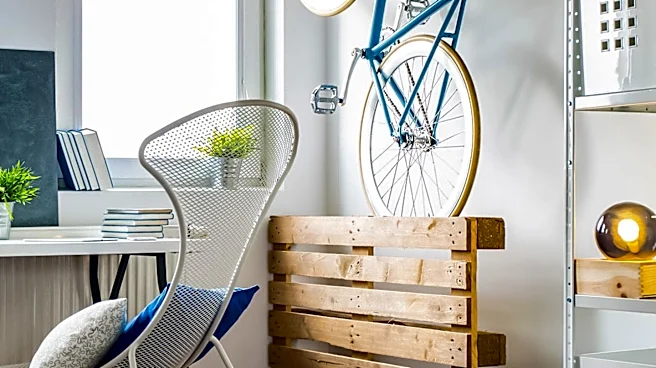
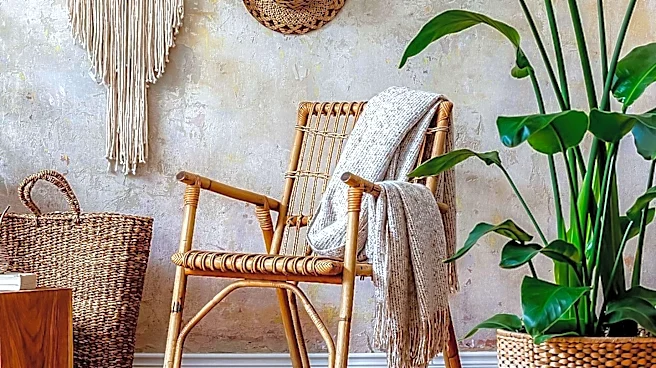
Designers are focusing on defining distinct zones within the open-concept layout without relying on physical walls. This is achieved through strategic furniture placement, such as positioning a sofa with its back to the sleeping area, and incorporating elements like rugs to anchor living spaces. The integration of hanging plants and gallery walls is also being used to add personality and draw the eye upward, making the space feel larger and more inviting. The goal is to make every piece and corner serve a clear purpose, ensuring the studio feels calm and designed rather than cluttered or empty.
Why It's Important?
The emphasis on minimalist and functional design in studio apartments is important for urban living, where space is often at a premium. This approach allows residents to maximize the utility and aesthetic appeal of smaller living areas, making compact homes feel more comfortable and intentional. By defining zones without walls, residents can create distinct areas for sleeping, living, and working, which can significantly improve daily routines and overall well-being. The use of consistent color palettes and multi-functional furniture helps to reduce visual clutter and enhance the perception of space, addressing common challenges associated with studio living. This trend caters to a growing demographic seeking efficient, stylish, and adaptable living solutions in densely populated areas, impacting both the real estate market and interior design industry.
What's Next?
The trend towards highly functional and aesthetically pleasing studio apartment design is likely to continue, with further innovations in modular furniture and smart home technology. Expect to see more integrated solutions that combine storage, seating, and sleeping areas into seamless units. The use of lighting to delineate zones and create different moods will become even more sophisticated, with smart lighting systems offering customizable ambiance. As urban populations grow and housing costs remain high, the demand for well-designed, efficient studio spaces will increase, pushing developers and designers to create more adaptable and personalized living environments. This could also lead to a greater focus on sustainable materials and biophilic design elements to enhance the connection to nature within compact urban dwellings.
Beyond the Headlines
Beyond the immediate benefits of space optimization, the minimalist studio design trend reflects a broader cultural shift towards conscious consumption and simplified living. It challenges the traditional notion that larger spaces equate to better living, promoting the idea that quality of design and intentionality of space can create a richer living experience. This approach can foster a sense of calm and reduce mental clutter, aligning with principles of mindfulness and well-being. Ethically, it encourages a more sustainable lifestyle by promoting efficient use of resources and potentially reducing the environmental footprint associated with larger homes. The psychological impact of living in a well-organized, aesthetically pleasing small space can also contribute to increased productivity and reduced stress, highlighting the profound influence of environment on human behavior.